Engineering Plastics for Extreme Wear & Industrial Applications——YiYuan New Material | Founded in 2021


Please give us a message
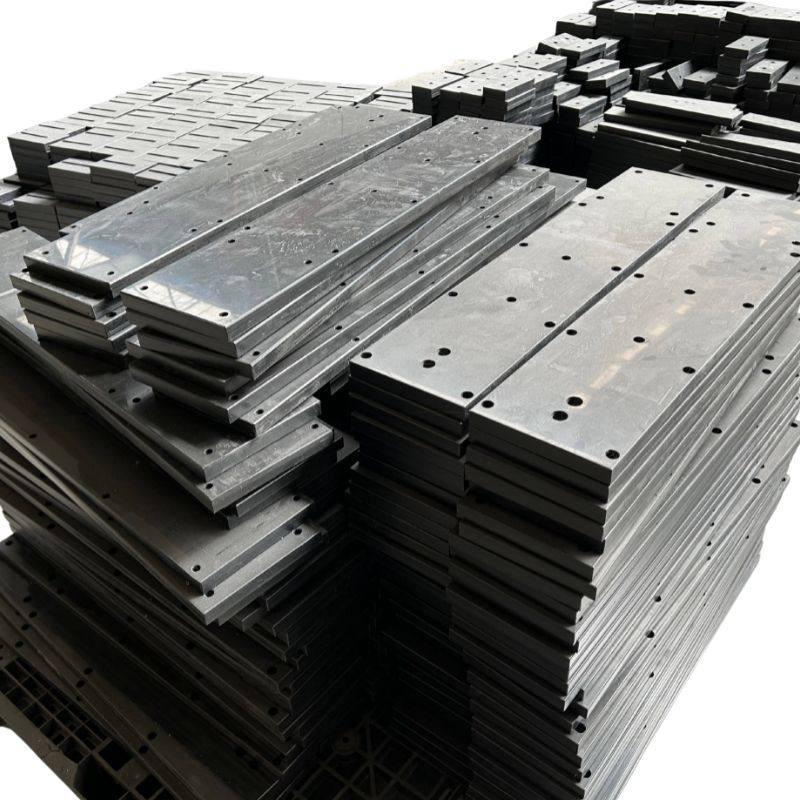
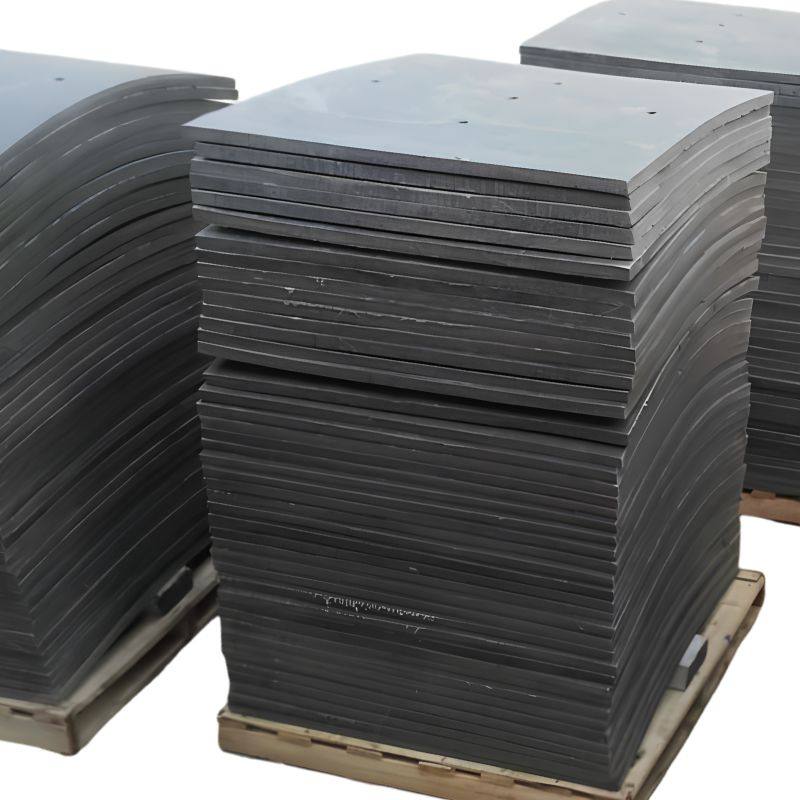
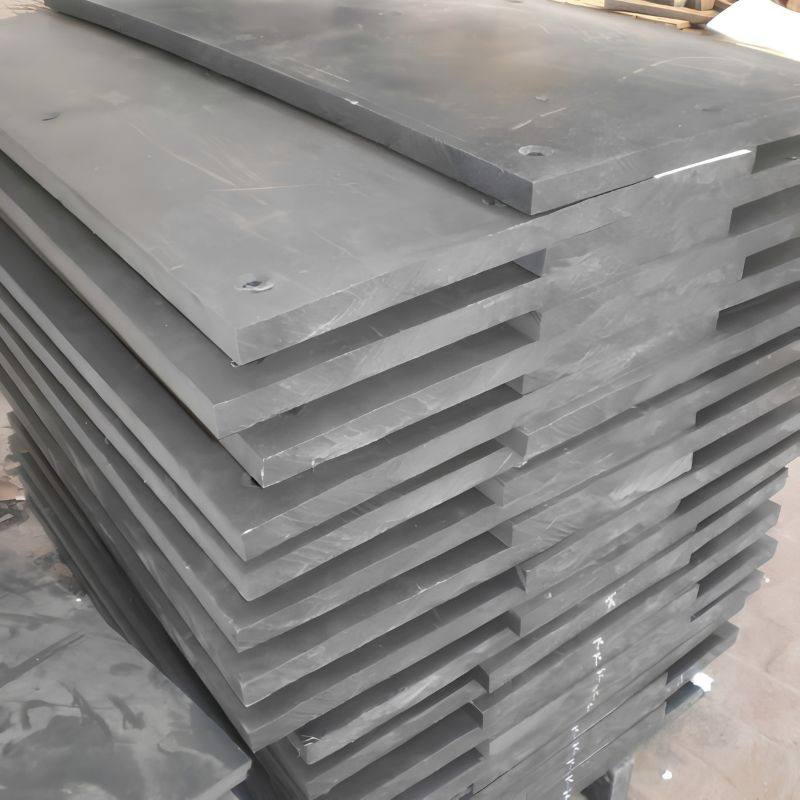
UHMWPE Silo Liners
Technical Parameters
Designed for demanding bulk-material handling environments, these liners are molded from ultra-high molecular weight polyethylene and can be supplied in standard wear-resistant, anti-static, or flame-retardant anti-static grades. Material selection should be matched to the operating environment, especially for underground coal mining and other potentially hazardous locations.
Wear Protection and Flow Improvement for Bulk-Material Equipment
A coal silo liner is not simply a protective sheet installed after a bunker has worn through. It is an engineered lining solution that improves the way coal, ore, aggregate, powders, and other bulk solids travel through storage and transfer equipment. By covering the internal steel surfaces of raw coal bunkers, hoppers, chutes, drop pipes, and discharge channels, the lining creates a smoother, lower-friction contact surface for material flow.
For operators dealing with wet coal buildup, powder adhesion, bridging, repeated chute cleaning, or abrasive impact at transfer points, a properly designed coal bunker liner can help reduce the underlying causes of these problems. The molded UHMWPE structure combines very low friction with strong resistance to abrasion and impact, making it a practical alternative to manganese steel and stainless-steel linings in many material-handling applications.
Built for Abrasion, Impact, and Difficult Material Flow
Coal, crushed stone, mineral ore, and aggregate do not move gently through a silo system. They strike hopper walls, slide along chute bottoms, and repeatedly scour discharge sections. Over time, this action can thin steel walls, create rough surfaces, and increase the tendency for material to hang up. A wear-resistant silo lining plate provides a sacrificial protective layer between the conveyed material and the equipment structure.
- High wear resistance: The material is highly resistant to abrasive sliding and particle scouring, helping protect bunker and chute steelwork from premature wear.
- Strong impact resistance: It is suitable for areas exposed to falling coal, ore, and aggregate. Even in low-temperature conditions, it is less prone to brittle fracture than many rigid lining materials.
- Low-friction surface: With a dynamic friction coefficient of 0.07–0.11, the liner supports smoother discharge and reduces the opportunity for wet or fine material to adhere to the wall.
- Low moisture absorption: Water absorption of ≤0.01% helps maintain stable performance in damp underground mines, power plant coal yards, and humid processing areas.
In practical operation, smoother material movement can mean fewer interruptions for manual cleaning and less unplanned downtime caused by blocked outlets. Results will depend on material moisture, particle size, equipment geometry, feed rate, and installation layout; however, the low-adhesion surface is particularly valuable where conventional steel walls allow wet coal or powder to accumulate.
Custom-Fabricated for Silo, Hopper, and Chute Interiors
Each installation area has different dimensions, impact zones, fixing locations, and flow requirements. For this reason, the lining can be processed with countersunk mounting holes for bolt fixing. Recessing the fastener heads helps keep the exposed surface as smooth as possible, reducing interference with material flow and limiting direct wear on the bolts.
Sheets can also be cut and formed into curved panels, U-shaped sections, and other irregular components for equipment that cannot be covered efficiently with flat boards alone. This makes the solution suitable for hopper cones, curved chutes, transfer pipes, discharge spouts, and complex corners. Accurate site dimensions, liner thickness requirements, hole positions, and fixing methods should be confirmed before fabrication to support a secure and efficient installation.
- Identify high-wear and high-blockage areas inside the equipment.
- Confirm the required panel size, shape, mounting-hole layout, and material grade.
- Prepare the steel substrate so it is clean, structurally sound, and suitable for bolted fixing.
- Install panels with countersunk bolts and inspect joints, edges, and fasteners before operation.
- Check liners periodically in high-impact zones and replace localized sections when required.
Grade Options for Safety-Sensitive Operating Conditions
Standard wear-resistant material is appropriate for many above-ground storage and conveying systems. Where static control or fire safety is a critical consideration, anti-static and flame-retardant anti-static options are available. The dual-property grade is intended for underground coal mine conditions and other applications where equipment materials must be selected in accordance with site safety requirements.
The recommended service range is -40°C to +80°C. Within this range, the lining retains the characteristics needed for everyday bulk-material protection. For unusual chemical exposure, extreme temperatures, special regulatory requirements, or highly abrasive operating conditions, users should provide complete application details so that the appropriate grade and installation design can be evaluated.
Typical Applications
These linings are widely used wherever fine, granular, wet, or abrasive material must be stored, discharged, or transferred reliably. Their lightweight construction also makes handling and replacement more convenient than many steel lining alternatives.
- Underground coal mining: raw coal bunkers, buffer bunkers, coal chutes, coal drop pipes, and transfer channels. Flame-retardant anti-static material can be selected for applicable explosion-sensitive conditions.
- Thermal power plants: raw coal silos, dry coal shed hoppers, and coal conveying chutes where coal dust adhesion and discharge blockage can affect continuity.
- Mining and aggregates: ore bins, aggregate hoppers, crusher discharge chutes, and transfer points subject to sharp, abrasive material impact.
- Other bulk-storage operations: metallurgical powder bins, sand hoppers, grain storage equipment, and truck-bed linings for spoil or bulk materials.
Manufacturing Support from Dezhou Yiyuan New Material Technology Co., Ltd.
Dezhou Yiyuan New Material Technology Co., Ltd. specializes in rubber and plastic products, including UHMWPE sheets, wear-resistant lining sheets, UHMWPE rollers, machined UHMWPE parts, PE sheets, PP sheets, nylon products, polyurethane products, and customized irregular components. This broad processing capability supports the supply of lining panels that are tailored to real equipment dimensions rather than limited to generic sheet formats.
The company follows a service principle centered on quality, integrity, and reliable contractual cooperation. For purchasing teams, maintenance contractors, and plant engineers, providing drawings, photographs, material characteristics, and operating conditions at the inquiry stage will help define a more suitable liner configuration for long-term equipment protection and dependable material flow.
Get a quote and proposal
Your privacy is protected by us (please refer to the Privacy Policy).
Phone
Address
