Engineering Plastics for Extreme Wear & Industrial Applications——YiYuan New Material | Founded in 2021


Please give us a message
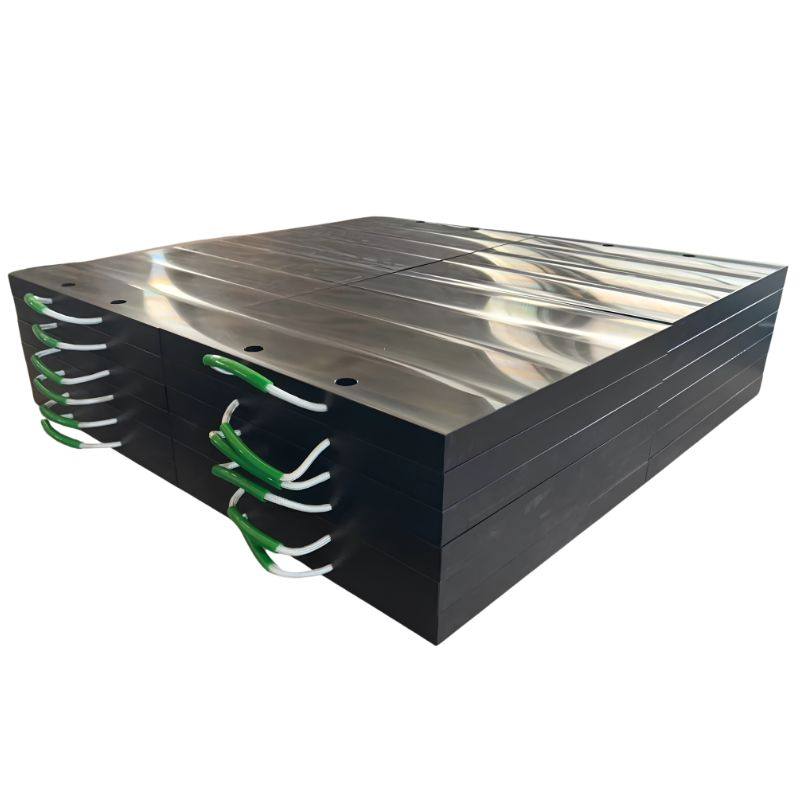
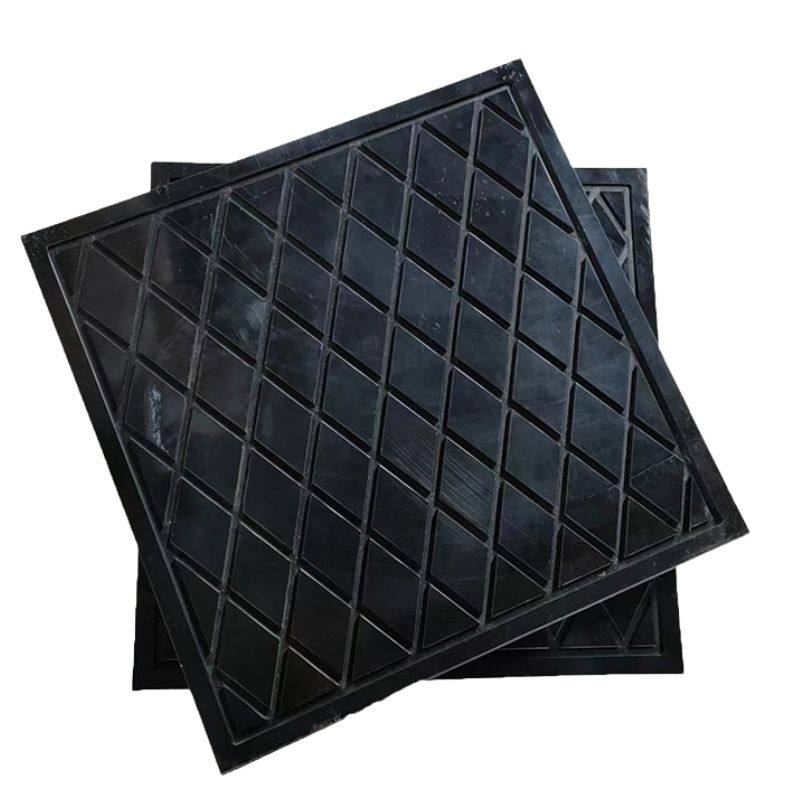
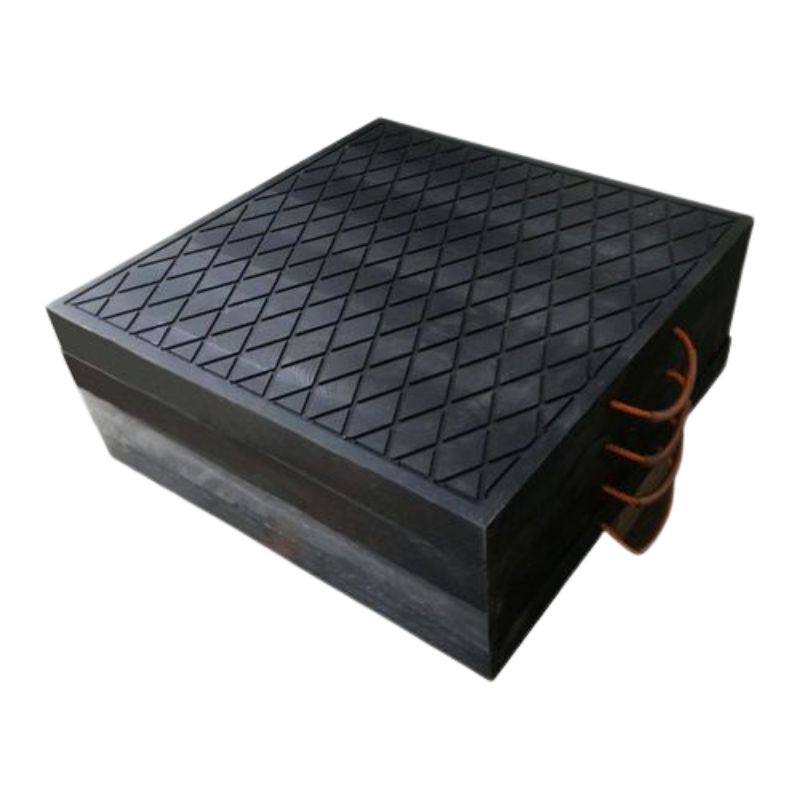
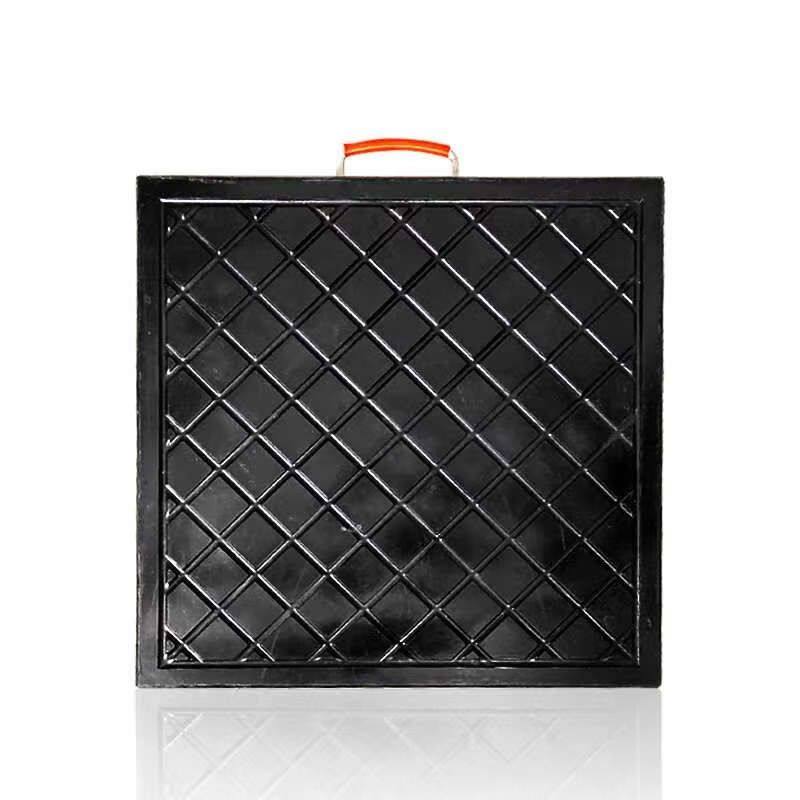
UHMWPE Outrigger Pads for Heavy Equipment
Product Parameters
Detailed Product Description and Application Guidance
Heavy lifting equipment transfers substantial concentrated force through relatively small outrigger feet. On compacted soil, wet ground, sand, fill, or uneven construction surfaces, that concentrated load can cause an outrigger to sink, shift, or lose level. Properly selected UHMWPE Outrigger Pads for Heavy Equipment create a wider, more stable bearing area beneath the support leg. By spreading the load over more ground, they help reduce local ground pressure and support safer equipment positioning during lifting, concrete pumping, elevated access, and recovery work.
These crane support pads, also known as outrigger mats, crane pads, lifting pads, load-spreading blocks, or bearing pads, are compression-moulded from high-performance polyethylene. UHMWPE is specified where exceptional toughness and wear resistance are required, while HDPE provides a practical polymer option for applicable duty conditions. Unlike steel plates, polymer pads do not rust and do not require corrosion-control coatings after exposure to rain, mud, salt air, or commonly encountered site chemicals.
Built for Demanding Load Support
A support pad should not be selected only by appearance or nominal equipment size. It must match the outrigger foot dimensions, expected imposed load, ground condition, and jobsite risk assessment. This product range is designed for 10–200 tonnes of load-bearing service. The material combines high impact resistance with flexibility: under severe loading, it is engineered to flex rather than fail in a sudden brittle manner. That characteristic is particularly valuable in mobile work environments where ground conditions may vary from one outrigger position to another.
The low water absorption rate of ≤0.01% helps preserve handling consistency in wet environments. The pad does not absorb moisture like timber, so it will not rot, swell, or become unnecessarily heavy after rainfall. Its operating temperature range of -70°C to +80°C also supports use in cold outdoor conditions where many conventional materials become more vulnerable to cracking. For sites exposed to acids, alkalis, salt spray, and ultraviolet light, the polymer construction offers a durable alternative to untreated wood and corrosion-prone metal plates.
Practical Handling and Safer Daily Workflows
Field crews benefit from a pad that can be positioned quickly without creating additional lifting tasks. These pads weigh approximately one-seventh as much as steel plates of comparable size, making them considerably easier to carry, place, remove, and store. A rope handle is fitted to support practical manual handling. In many routine applications, one operator can position the pad without a crane or separate material-handling device, helping crews prepare the work area more efficiently.
Optional anti-slip texturing can improve contact in rain, snow, mud, and loose-site conditions. The texture may assist in reducing unwanted movement between the outrigger foot and the pad surface, while the broad base supports more even contact with the ground. However, a pad is not a substitute for proper setup procedures. Operators should always inspect the ground, confirm that the equipment is level, follow the equipment manufacturer’s outrigger requirements, and avoid bridging voids, unstable edges, buried services, or visibly weak surfaces.
Where These Support Pads Add Value
UHMWPE Outrigger Pads for Heavy Equipment are suitable for contractors, fleet operators, rental companies, lifting specialists, emergency services, and industrial maintenance teams that require portable load distribution. They are commonly used where equipment must work safely away from permanently reinforced hardstanding.
- Mobile cranes and crawler cranes: support for outrigger feet during lifting and placement operations.
- Concrete pump trucks: stable support when pumping on construction sites, roadside locations, and temporary work areas.
- Aerial work platforms: load-spreading support for vehicles with stabilisers operating on variable ground.
- Construction, mining, and wind projects: reduced risk of local settlement on soft soil, mud, sand, or made ground.
- Fire and rescue operations: portable stabiliser pads for emergency vehicles working in outdoor or difficult-access locations.
- Industrial equipment support: bearing blocks beneath large machinery, presses, and other heavy static equipment where appropriate.
Customised to Match Equipment and Site Requirements
Every fleet has different stabiliser dimensions, transport arrangements, and operating environments. Square and round designs are available, and irregular shapes can be manufactured for specific support-foot geometries or restricted placement areas. Customers may specify dimensions, thickness, colour, surface pattern, and logo marking. Providing the intended equipment model, outrigger foot size, required load range, and normal ground conditions enables a more suitable pad configuration to be selected.
Dezhou Yiyuan New Material Technology Co., Ltd. manufactures engineering plastic and rubber products, including UHMWPE sheets, wear liners, rollers, machined special-shaped parts, PE sheets, PP sheets, nylon products, and polyurethane products. Our approach is based on dependable product quality, responsive service, and trustworthy contract performance. For professional lifting and support applications, we recommend confirming pad dimensions and load requirements before purchase to ensure the selected solution is appropriate for the equipment and working environment.
Get a quote and proposal
Your privacy is protected by us (please refer to the Privacy Policy).
Phone
Address
