Engineering Plastics for Extreme Wear & Industrial Applications——YiYuan New Material | Founded in 2021


Please give us a message
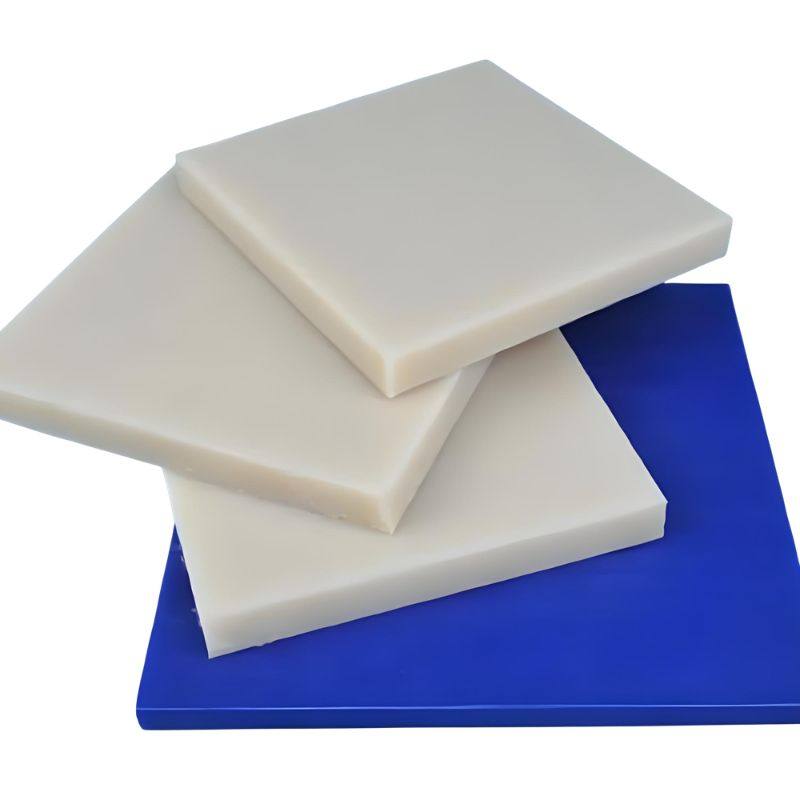
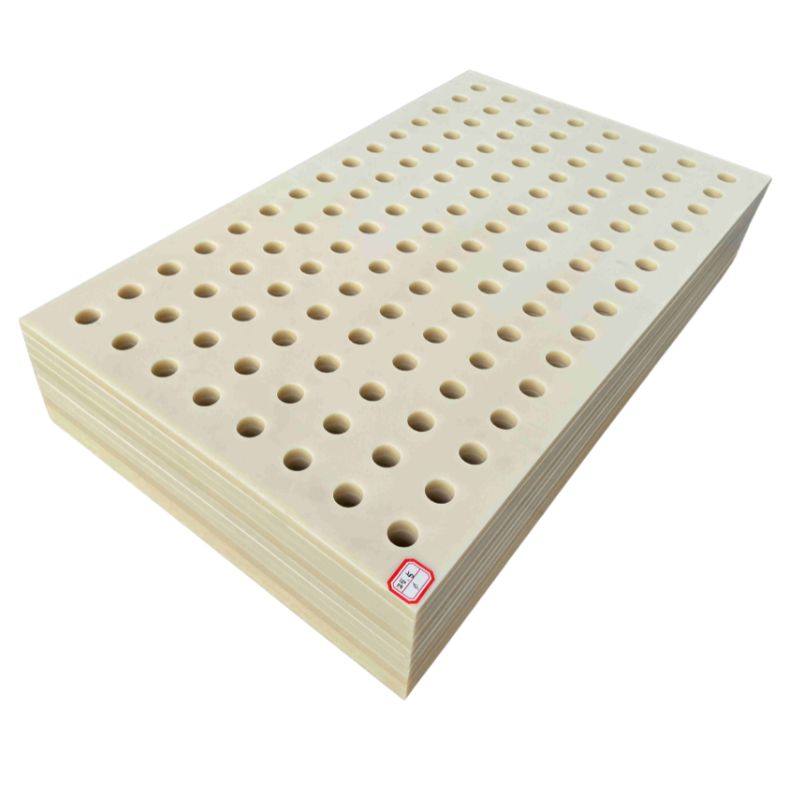
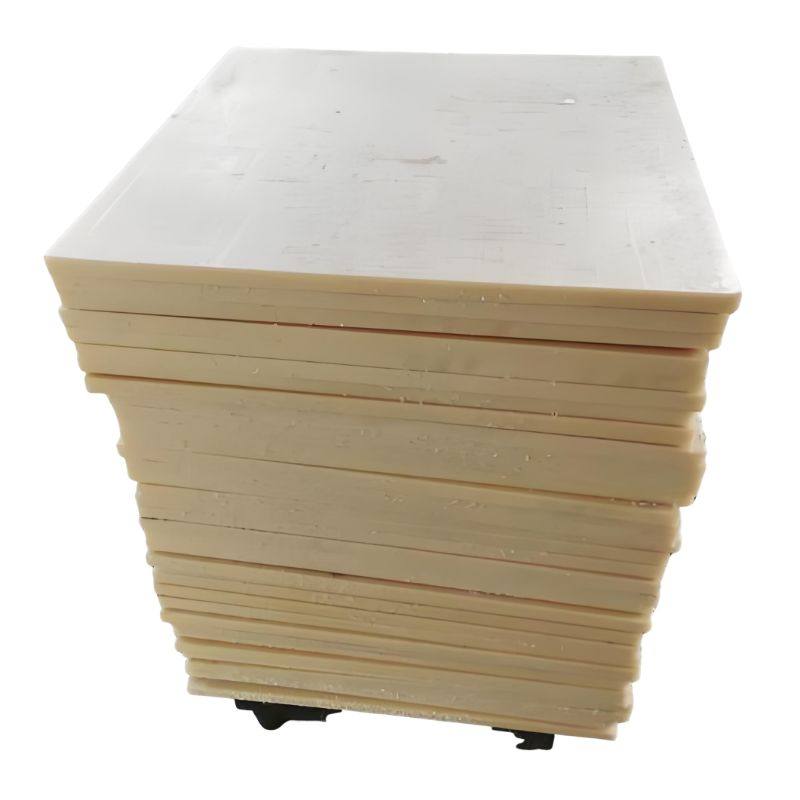
Nylon Sheets for Bearings & Bushings
Product Parameters
The supplied technical specification identifies this product as an engineered polyethylene temporary roadway mat, manufactured from HDPE or UHMWPE rather than conventional metal or timber access plates. Material selection can be matched to the working environment, expected traffic frequency, and surface-abrasion requirements.
Detailed Product Introduction
Engineered polyethylene access mats provide a practical temporary ground-protection and roadway solution where natural soil cannot safely support repeated vehicle movement. They are commonly called polyethylene road mats, PE road base boards, ground protection mats, or temporary road panels. Produced by compression molding or extrusion, these boards help replace heavy steel plates and moisture-sensitive timber boards in demanding short-term and recurring access applications.
Designed for unstable and sensitive ground
Mud, loose sand, wet grass, marshland, and uneven construction surfaces can quickly interrupt operations or damage the original ground. A modular mat route creates a more stable passage for equipment while reducing rutting, sinking, and direct contact between tires or tracks and the terrain. Depending on selected board thickness and the site-specific load distribution plan, the panels can support the passage of excavators, cranes, pump trucks, and other heavy machinery.
For responsible planning, loading capacity should always be evaluated against equipment weight, axle or track configuration, ground bearing conditions, panel dimensions, and installation layout. This approach is more reliable than applying one nominal load figure to every jobsite. Properly joined boards create a continuous temporary route that improves access while helping preserve grass, soil, and landscaped areas for restoration after the project is complete.
Key performance advantages
- Lightweight handling: Compared with steel plates, polyethylene mats weigh approximately one-seventh to one-eighth as much. This substantially reduces manual handling effort and can allow two people to move individual panels without relying on large lifting equipment.
- High impact resistance: With impact strength of at least 80 kJ/m², the material is designed to withstand the knocks, vibration, and repeated traffic associated with temporary worksites.
- Reliable anti-slip surfaces: Diamond, herringbone, and raised-dot textures increase traction in wet, muddy, or rainy conditions. Double-sided patterned options can support safer travel and more controlled placement.
- Excellent low-temperature toughness: The stated operating range reaches -70°C. This makes the material particularly suitable for cold-weather projects where brittle failure is a concern with less resilient alternatives.
- Wear and corrosion resistance: UHMWPE grades are valued for abrasion resistance, while polyethylene resists water, many acids, alkalis, salt spray, oils, and outdoor moisture. The boards do not rust or rot.
- Very low water absorption: At ≤0.01%, the material is not prone to swelling from wet ground exposure, helping it remain practical for long days of outdoor use.
Modular installation and repeat-use value
Fast deployment is central to the value of temporary access boards. Panels can be specified with interlocking edge slots or connection holes so crews can assemble a continuous path, work platform, parking area, or turning zone in a controlled sequence. The boards can also be cut, drilled, or machined for compatible connection requirements. This flexibility is useful when access routes need to follow irregular site boundaries or work around installed infrastructure.
- Assess the route, subgrade condition, gradients, drainage, and anticipated equipment traffic.
- Prepare the ground by removing sharp protrusions and leveling major voids where practical.
- Lay panels in the planned direction of travel and connect adjacent boards using the selected joining arrangement.
- Inspect alignment and surface stability before permitting vehicle movement.
- After use, remove, clean, inspect, and store the boards for the next deployment.
Because the boards are removable and reusable, they can be deployed repeatedly across projects rather than treated as a single-use site material. Their recyclable polyethylene construction and long service potential can lower overall access-road costs, particularly for contractors and operators with recurring field work.
Applications across demanding industries
These temporary road panels are suited to organizations that need dependable access without permanently modifying the site. In construction, they provide temporary haul roads on muddy ground and stable working zones for cranes and excavators. In mining, oilfield, and wind-energy projects, they create equipment routes across remote, sandy, or marshy terrain. Their corrosion resistance also supports use near coastal installations, chemical sites, and locations exposed to salt or oil contamination.
For municipal maintenance and emergency response, modular boards can be mobilized quickly to form temporary access during flood control, utility repairs, and rescue operations. In landscaping, festivals, exhibitions, and outdoor events, they protect lawns and green spaces from service vehicles and foot traffic. Additional uses include dockside work areas, temporary construction parking, agricultural machinery lanes, and wetland access paths.
Material expertise and manufacturing support
Dezhou Yiyuan New Material Technology Co., Ltd. specializes in engineered rubber and plastic products, including UHMWPE sheets, wear liners, rollers, machined UHMWPE components, PE sheets, PP sheets, nylon products, polyurethane products, and custom-profiled parts. The company supports projects that require material selection, customized surface patterns, joining features, and secondary processing.
Our operating principle is straightforward: compete through superior product quality, provide service with integrity, and honor every contractual commitment. For temporary roadway projects, discussing site conditions and equipment requirements before selection helps ensure that the chosen panel configuration delivers a safe, efficient, and durable access solution.
Get a quote and proposal
Your privacy is protected by us (please refer to the Privacy Policy).
Phone
Address
