Engineering Plastics for Extreme Wear & Industrial Applications——YiYuan New Material | Founded in 2021


Please give us a message
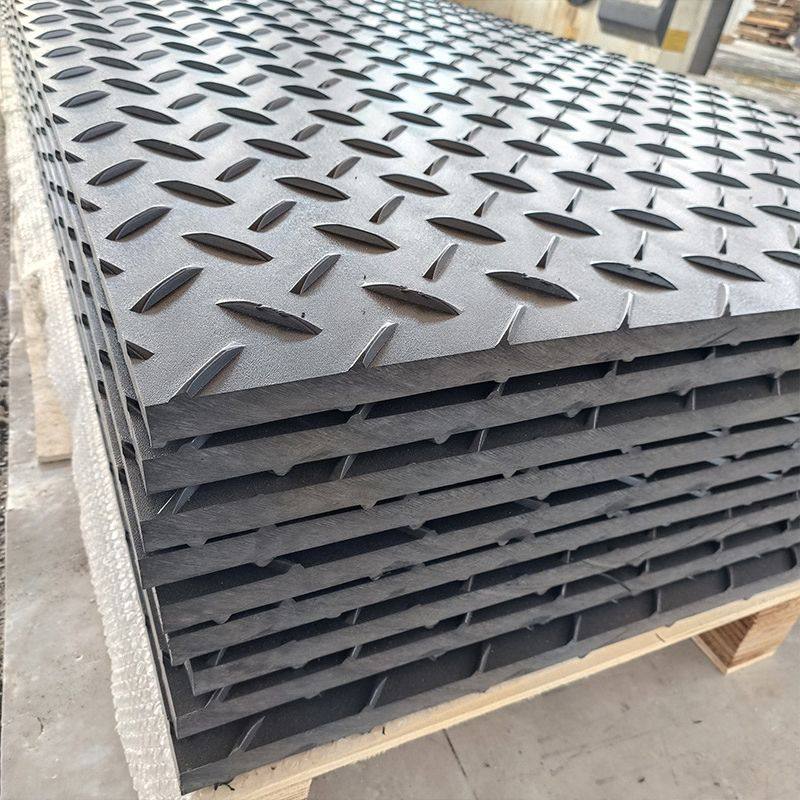
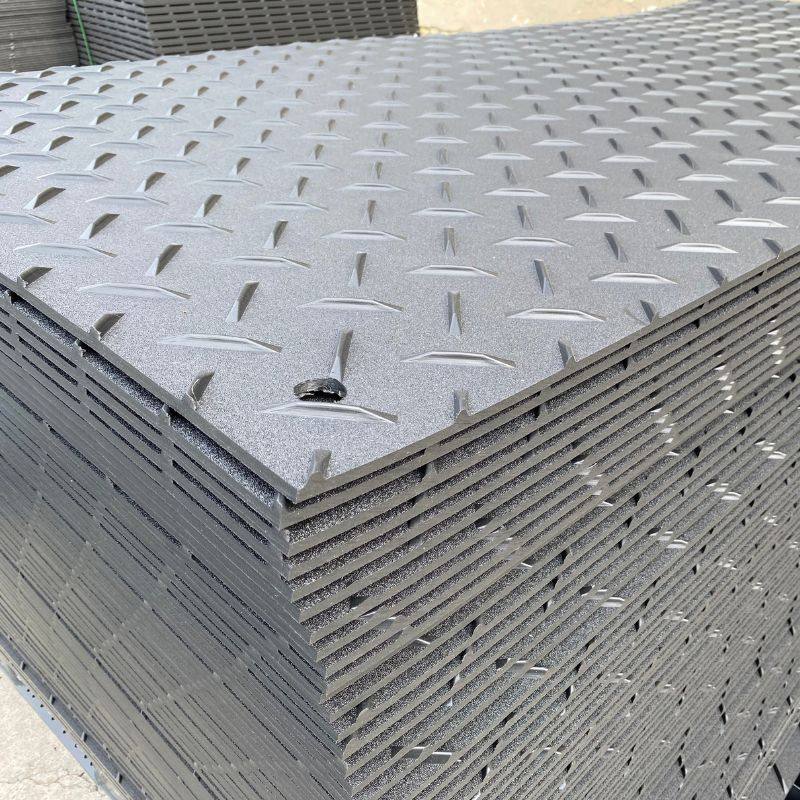
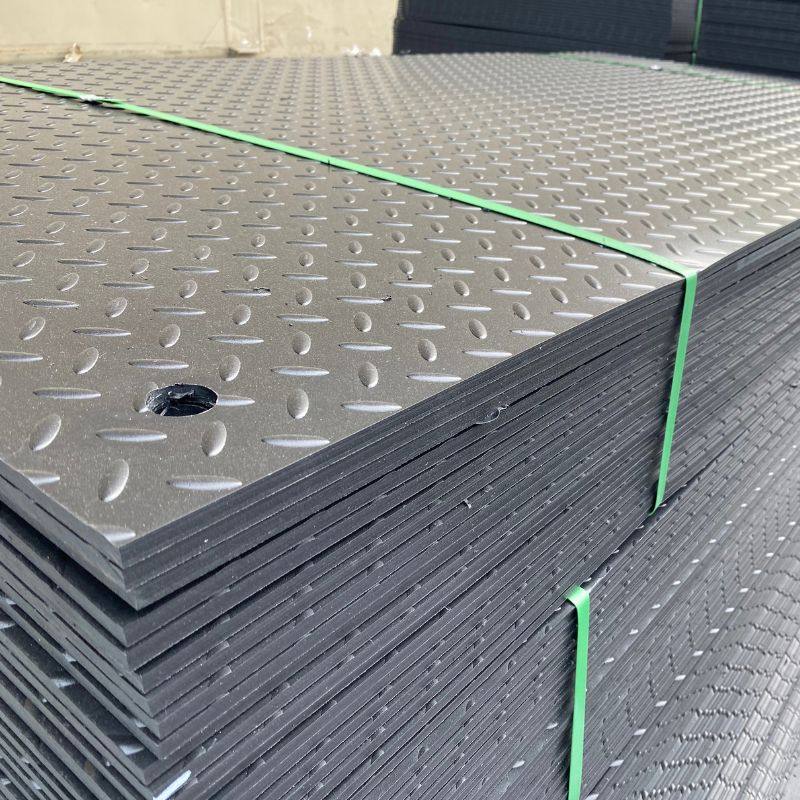
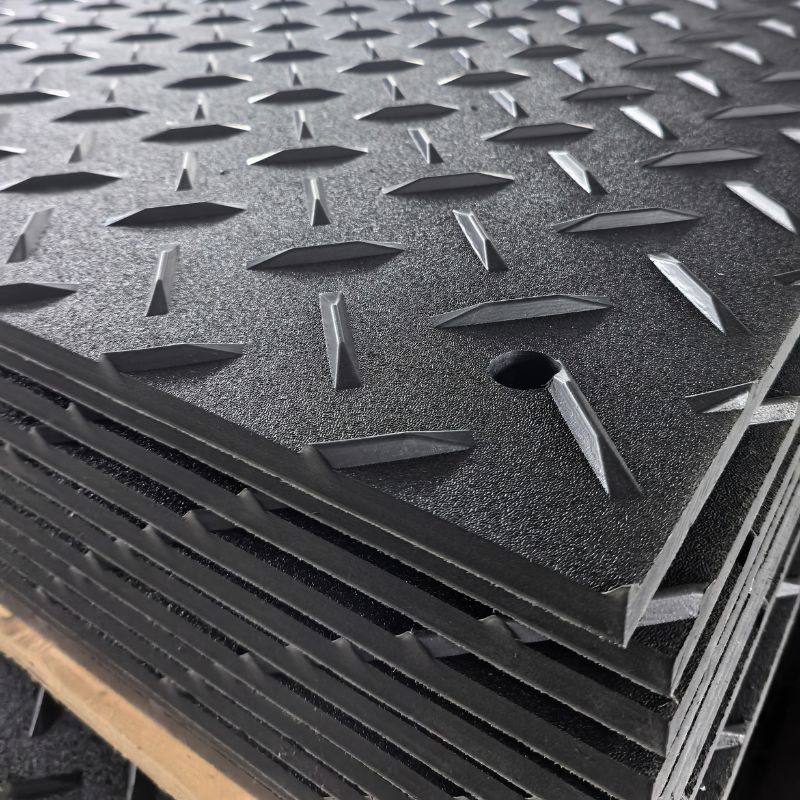
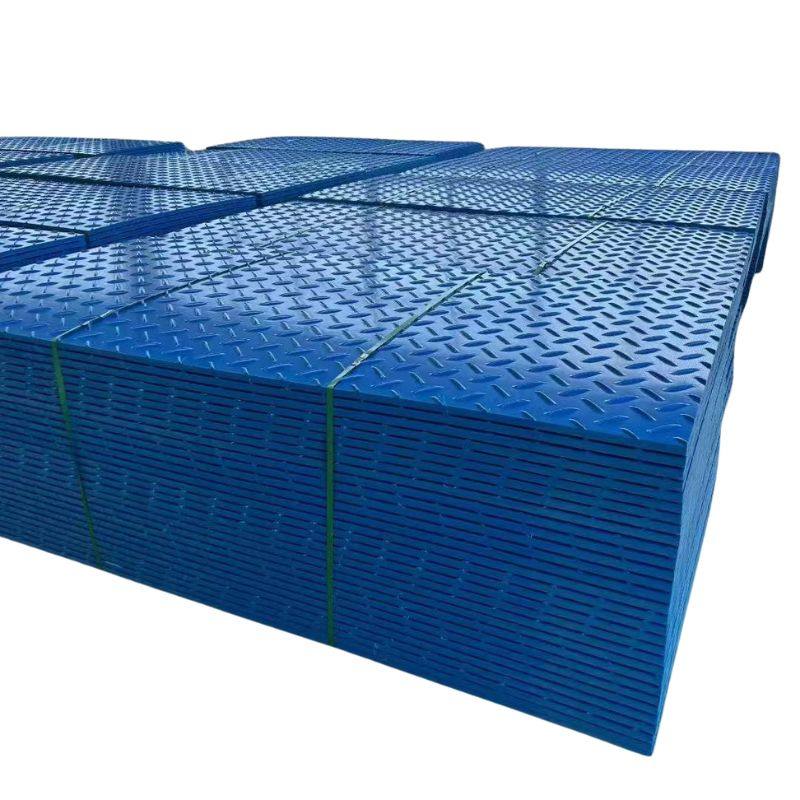
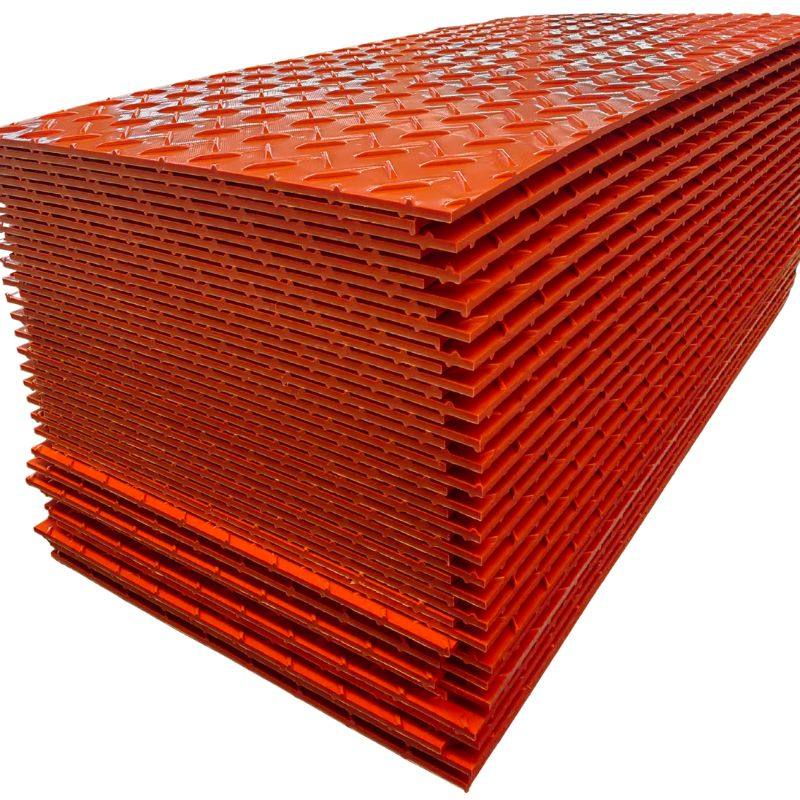
PE Ground Mats for Pipeline Construction
Product Parameters
Reliable Temporary Access for Demanding Ground Conditions
PE Ground Mats for Pipeline Construction are engineered temporary roadway panels for projects where ordinary ground cannot safely support vehicles, machinery, or repeated traffic. Made from high-density polyethylene or ultra-high-molecular-weight polyethylene, these mats provide a practical alternative to traditional steel plates and timber boards. They help crews establish temporary access routes across mud, sand, marshland, uneven soil, and other unstable terrain while reducing direct disturbance to the native surface.
For pipeline installation, maintenance, inspection, and restoration work, access conditions can change quickly with weather, soil moisture, and equipment movement. A modular mat road provides a more controlled working surface for excavators, cranes, pump trucks, transport vehicles, and service equipment. The panels can be supplied with connection holes or interlocking edge slots, allowing a route to be assembled, adjusted, dismantled, and relocated as work progresses along the pipeline corridor.
Designed to Distribute Load and Improve Site Mobility
The key function of polyethylene roadway panels is to spread concentrated equipment loads over a broader contact area. This helps reduce rutting and sinking on soft ground and supports safer site mobility where unprotected terrain may become difficult to cross. Load performance depends on mat thickness, dimensions, ground condition, equipment configuration, and the method of installation. For this reason, the suitable specification should be selected according to the actual machine weight and site assessment rather than by vehicle weight alone.
Compared with steel, polyethylene mats are substantially lighter, typically at only about one-seventh to one-eighth of the weight of a steel plate of comparable size. This makes handling more efficient and can reduce reliance on large lifting equipment during deployment. In many routine placement tasks, two workers can move individual panels using appropriate handling procedures. The result is a practical solution for remote pipeline sections, narrow rights-of-way, and sites where logistics need to remain simple.
Performance Advantages for Outdoor Construction
- High impact resistance: With an impact strength of at least 80 kJ/m², the material is designed for demanding construction environments and repeated equipment traffic.
- Low-temperature toughness: The mats retain useful toughness in temperatures down to -70°C, making them suitable for cold-region operations where conventional materials may become brittle.
- Low water absorption: Water absorption of ≤0.01% helps maintain material stability in wet, rainy, marshy, and humid conditions.
- Slip-resistant working surface: Double-sided diamond, herringbone, or raised-dot patterns improve traction for tires and tracks in wet or muddy conditions.
- Resistance to corrosion: Polyethylene does not rust or rot and offers resistance to acids, alkalis, salt spray, oils, and common outdoor contaminants.
- Wear-resistant material options: UHMWPE versions are particularly suitable where frequent movement and abrasive operating conditions require enhanced wear performance.
PE Ground Mats for Pipeline Construction can also be specified with UV-resistant outdoor formulations for extended exposure. This is valuable for oilfield access roads, coastal projects, chemical construction areas, and long-duration infrastructure work. Their non-metallic construction avoids the corrosion issues associated with steel plates, while their moisture resistance avoids the decay, swelling, and splintering concerns often found with timber alternatives.
Fast Installation and Reusable Project Value
A temporary road system should support the pace of the project, not delay it. These panels are designed for modular placement, enabling crews to form a continuous lane, equipment pad, turning area, or protected crossing route. Connection features help keep adjacent mats aligned during use. Once a work section is complete, the panels can be removed and reused at another location, supporting a more efficient material cycle across multiple projects.
- Assess the soil condition, required route width, equipment type, and expected traffic frequency.
- Select the appropriate material grade, thickness, surface pattern, and connection arrangement.
- Prepare the ground by removing sharp debris and leveling major surface irregularities where practical.
- Lay panels in the planned direction of travel and secure or connect them according to site requirements.
- Inspect the route regularly, especially after heavy rain, repeated loading, or changes in ground condition.
The panels can be cut, drilled, and processed for specific connection requirements when project layouts demand customized solutions. Their reusable and recyclable nature can help contractors reduce the long-term cost of temporary access construction compared with single-use or rapidly deteriorating materials. Proper cleaning, inspection, and storage after use will help preserve the condition of the mats for future deployments.
Suitable Applications Beyond Pipeline Work
Although widely used for linear utility and pipeline projects, these mats are equally effective wherever temporary ground protection and stable access are required. Their combination of portability, weather resistance, and modular assembly makes them useful for contractors, equipment operators, municipal teams, event organizers, and agricultural businesses.
- Construction sites: Temporary access roads, crane working areas, excavator paths, and muddy job-site routes.
- Mining, oilfield, and wind energy projects: Equipment access across remote, sandy, marshy, or undeveloped terrain.
- Municipal repair and emergency response: Rapid access routes for utility repair, flood response, and rescue operations.
- Landscape and event protection: Temporary vehicle lanes and pedestrian routes over lawns, green spaces, exhibition grounds, and festival sites.
- Ports, farms, and temporary parking areas: Ground protection for wetland machinery access, staging areas, and short-term traffic management.
Material Expertise and Custom Processing Support
Dezhou Yiyuan New Material Technology Co., Ltd. specializes in rubber and plastic products, including UHMWPE sheets, wear-resistant liners, UHMWPE rollers, PE sheets, PP sheets, nylon products, polyurethane products, and custom-machined components. With experience in polymer material processing, the company can support project-specific requirements for surface patterns, connection features, cutting, drilling, and other practical modifications.
For buyers planning PE Ground Mats for Pipeline Construction, clear communication of equipment loads, terrain type, route length, climate conditions, and installation method is essential. This information enables a more suitable material and configuration recommendation, helping create a safer, more durable temporary access solution for the real conditions of the job site.
Get a quote and proposal
Your privacy is protected by us (please refer to the Privacy Policy).
Phone
Address
