Engineering Plastics for Extreme Wear & Industrial Applications——YiYuan New Material | Founded in 2021


Please give us a message
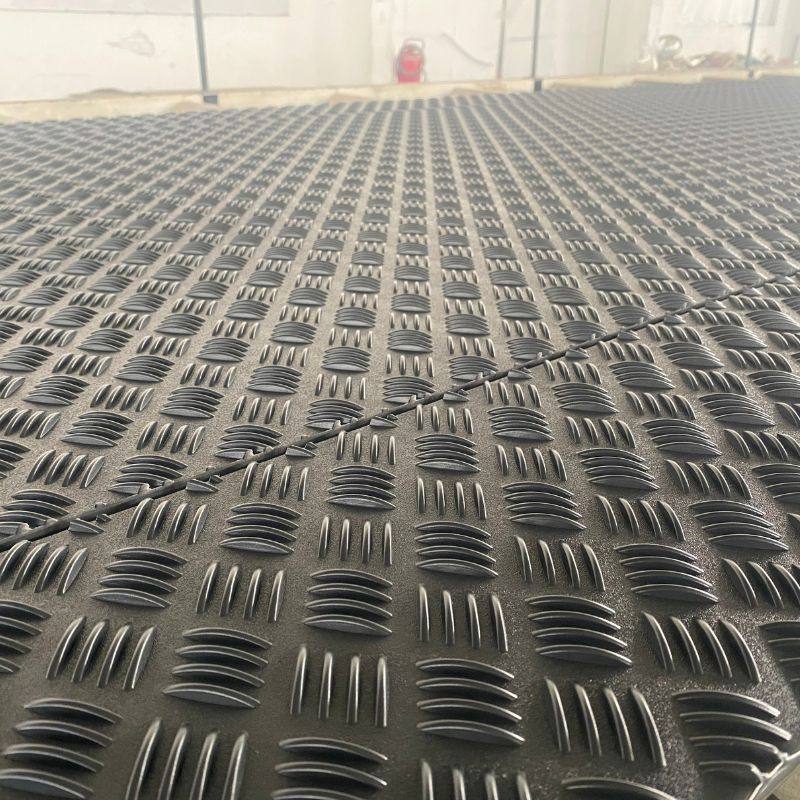
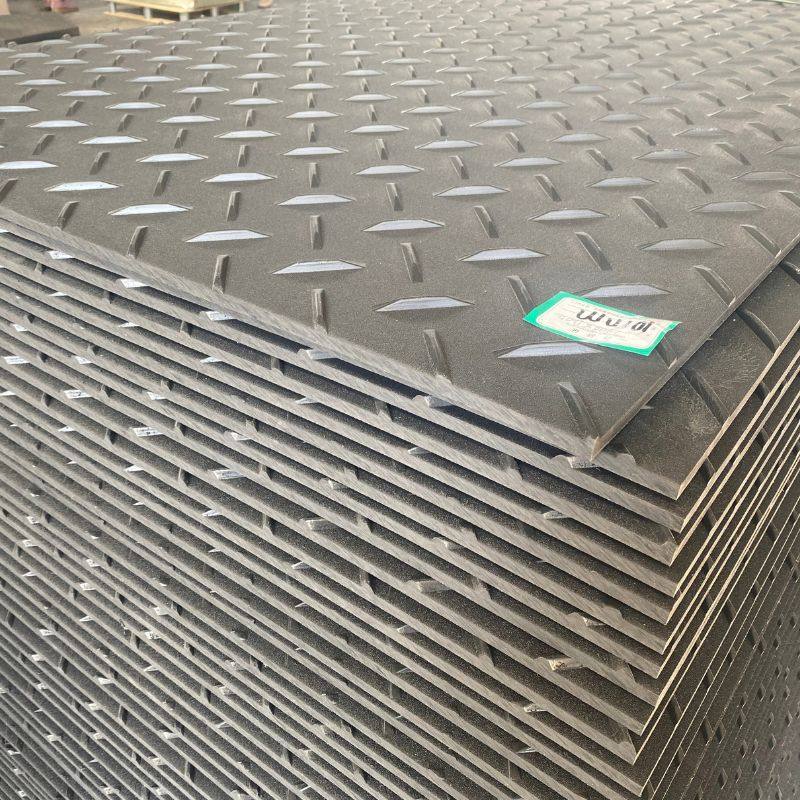
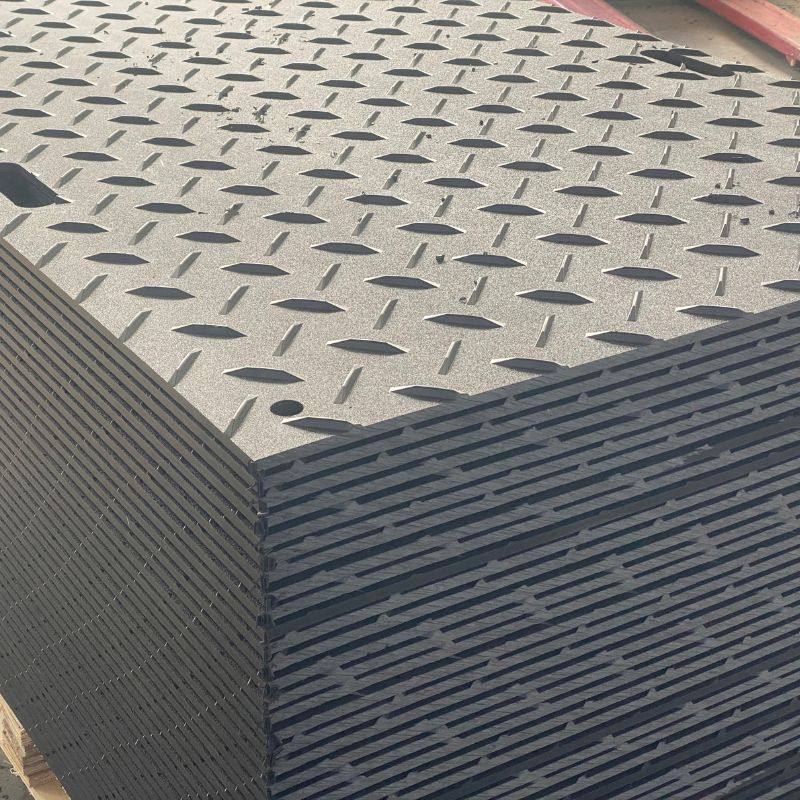
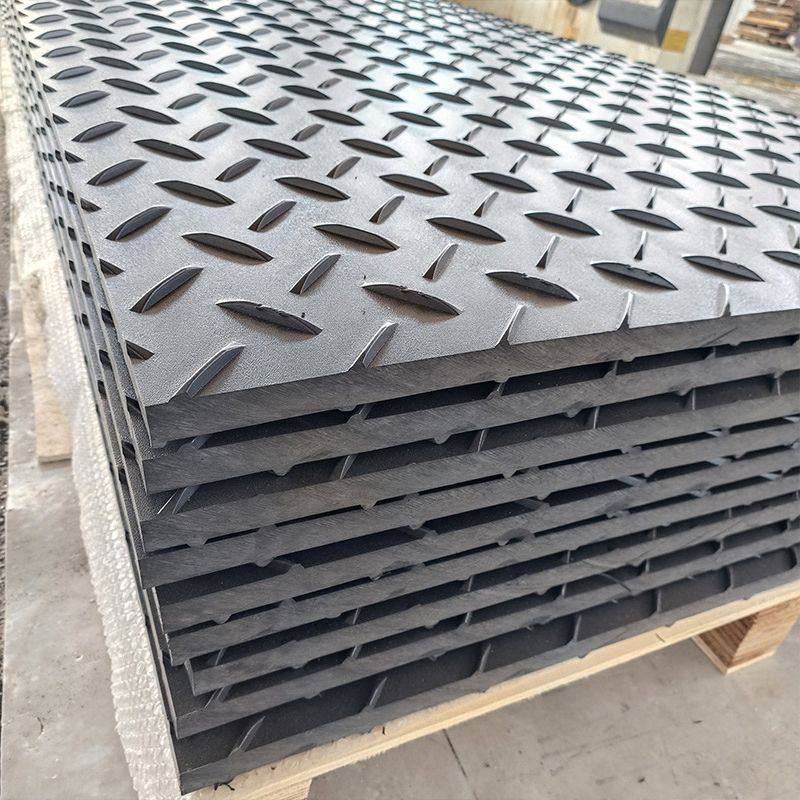
PE Ground Mats for Temporary Access Roads
Product Parameters
These polyethylene ground protection mats are manufactured from high-density polyethylene or ultra-high-molecular-weight polyethylene. Material selection can be matched to the expected load, surface condition, climate, and required wear resistance of the project.
Detailed Product Introduction
Polyethylene road mats are practical temporary surfacing panels designed for locations where natural ground cannot reliably support vehicles, machinery, or repeated traffic. Made through compression molding or extrusion, these plastic access mats provide a modern alternative to conventional steel plates and timber boards. They create a stable working and travel surface over muddy soil, sand, marshland, grass, and other weak or uneven terrain while helping preserve the ground beneath.
Each mat can be supplied with a diamond, herringbone, or raised traction surface to improve tire grip and foot stability in wet, dirty, and challenging conditions. Connection holes and interlocking edge options can be incorporated to support fast modular installation. When joined correctly for the application, the panels form a continuous temporary lane, work platform, equipment route, or protected pedestrian passage.
Designed for Practical Temporary Access
On many job sites, lost access time is caused not by the work itself but by poor ground conditions. Rain can turn an unfinished construction site into deep mud, while sandy or saturated ground can reduce equipment mobility and damage the landscape. A properly planned mat road distributes wheel and track loads over a broader area, reducing concentrated pressure on soft soil. This helps contractors establish a more dependable route for excavators, cranes, pump trucks, service vehicles, and material-handling equipment.
Load capacity depends on factors including mat thickness, panel dimensions, equipment type, tire or track contact area, subsoil condition, and installation layout. These panels are used for equipment ranging from standard site vehicles to heavy excavators, cranes, and pump trucks in tens-to-hundreds-of-ton classes when the mat specification and ground assessment are appropriate. For safety and performance, users should evaluate actual site conditions before selecting the thickness, connection method, and road configuration.
Key Material Advantages
- Lightweight handling: Polyethylene panels weigh approximately one-seventh to one-eighth as much as comparable steel plates. In many cases, two workers can move individual panels without relying on large lifting equipment, improving deployment flexibility.
- High impact resistance: With impact strength of at least 80 kJ/m², the material is engineered to withstand demanding field handling and repeated use without the corrosion concerns associated with steel.
- Reliable traction: Double-sided anti-slip textures support safer movement in rain, mud, and loose-ground environments. The selected pattern can be tailored to vehicle traffic, pedestrian access, or project-specific surface requirements.
- Cold-weather toughness: The operating range of -70°C to +80°C makes these mats suitable for projects in severe winter climates where brittle materials may be more likely to crack.
- Wear resistance: UHMWPE options are particularly suited to applications involving frequent movement, abrasive debris, tracked equipment, or repeated installation cycles.
- Moisture and chemical resistance: With water absorption of no more than 0.01%, the panels do not rust, rot, or readily absorb moisture. They resist common exposure to acids, alkalis, salt spray, oils, and site contaminants.
Faster Installation and Lower Lifecycle Cost
Temporary road construction often needs to be completed quickly, especially when access is required before permanent civil works are finished. The modular structure of polyethylene access mats supports efficient placement, removal, and relocation. Edge connection slots or drilled connection holes can help keep the layout organized and reduce panel movement under normal project traffic conditions. The material can also be cut, drilled, and machined for specified connection positions or on-site adaptation.
Unlike one-time aggregate filling or disposable timber solutions, these reusable panels can be dismantled after the project and deployed again. With correct transport, cleaning, storage, and inspection, they can support many installation cycles. Their recyclable material composition and long service potential can reduce the total cost of temporary access management over repeated projects.
Typical Applications
- Construction sites: Temporary haul roads across muddy ground, crane setup areas, excavator routes, and work platforms where ground protection is required.
- Mining, oilfield, and wind energy projects: Access routes for equipment in remote areas, marshes, sand, and unpaved terrain.
- Municipal maintenance and emergency response: Rapid access surfaces for utility repair, flood response, rescue operations, and temporary public passageways.
- Events and landscaping: Protection for lawns and green spaces during festivals, exhibitions, temporary parking, vehicle lanes, and pedestrian routes.
- Ports and agriculture: Temporary working lanes, storage-yard access, wetland farm machinery routes, and other areas exposed to unstable soil.
A Dependable Partner for Engineered Plastic Solutions
Dezhou Yiyuan New Material Technology Co., Ltd. specializes in rubber and plastic products, including UHMWPE sheets, wear-resistant liners, UHMWPE rollers, machined special-shaped parts, PE sheets, PP sheets, nylon products, polyurethane products, and customized components. The company follows a service principle centered on superior product quality, sincere sales support, and trustworthy contract performance.
For temporary access projects, a suitable ground mat system should be selected according to vehicle loads, traffic frequency, terrain, weather exposure, and ground protection objectives. Our team can discuss material options, anti-slip surface requirements, connection details, and customized processing needs to help buyers specify a practical solution for their operating environment.
Get a quote and proposal
Your privacy is protected by us (please refer to the Privacy Policy).
Phone
Address
