Engineering Plastics for Extreme Wear & Industrial Applications——YiYuan New Material | Founded in 2021


Please give us a message
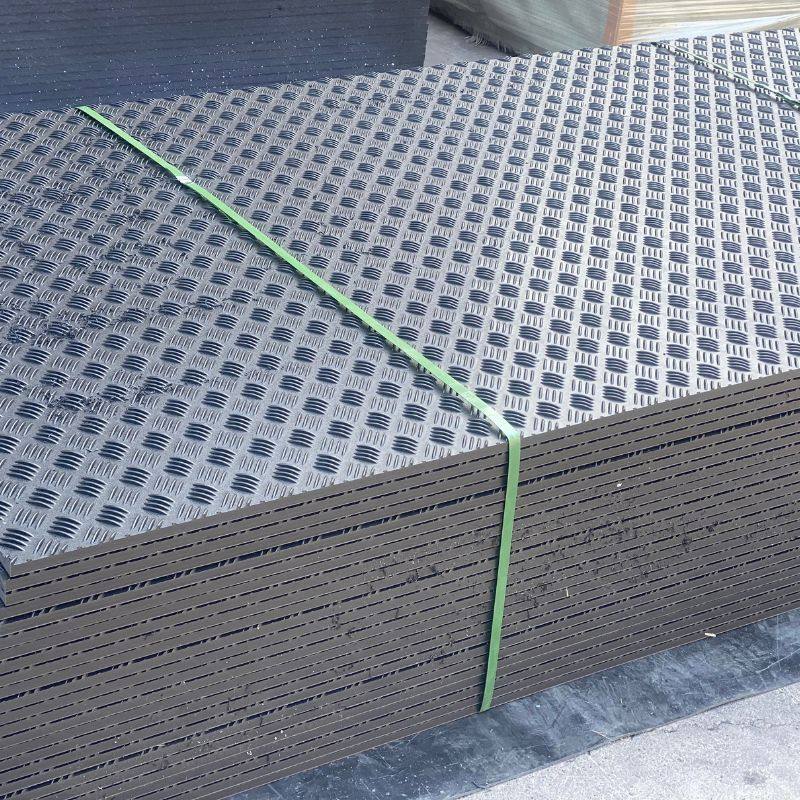
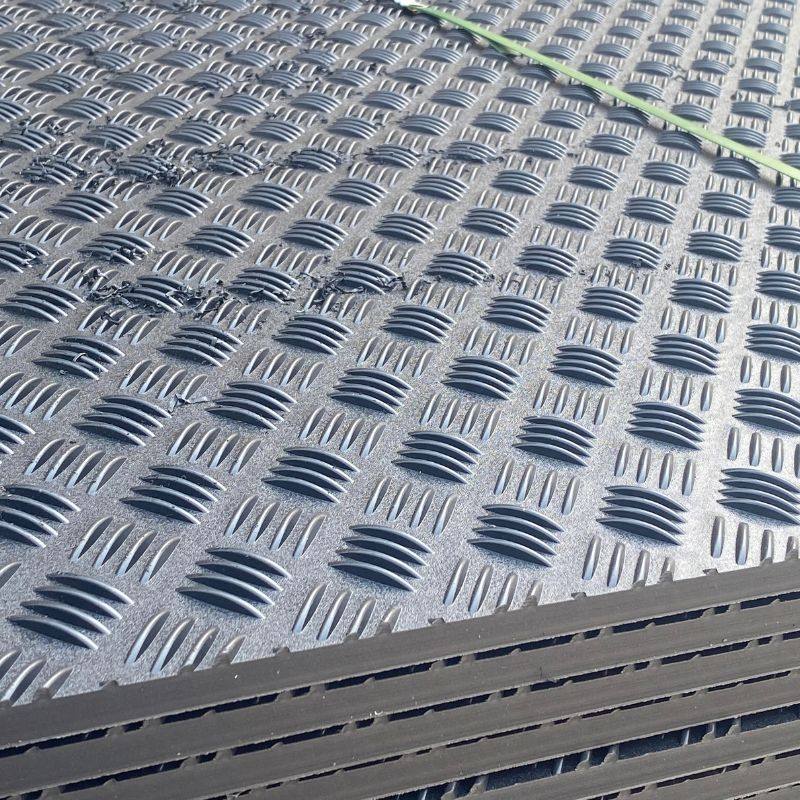
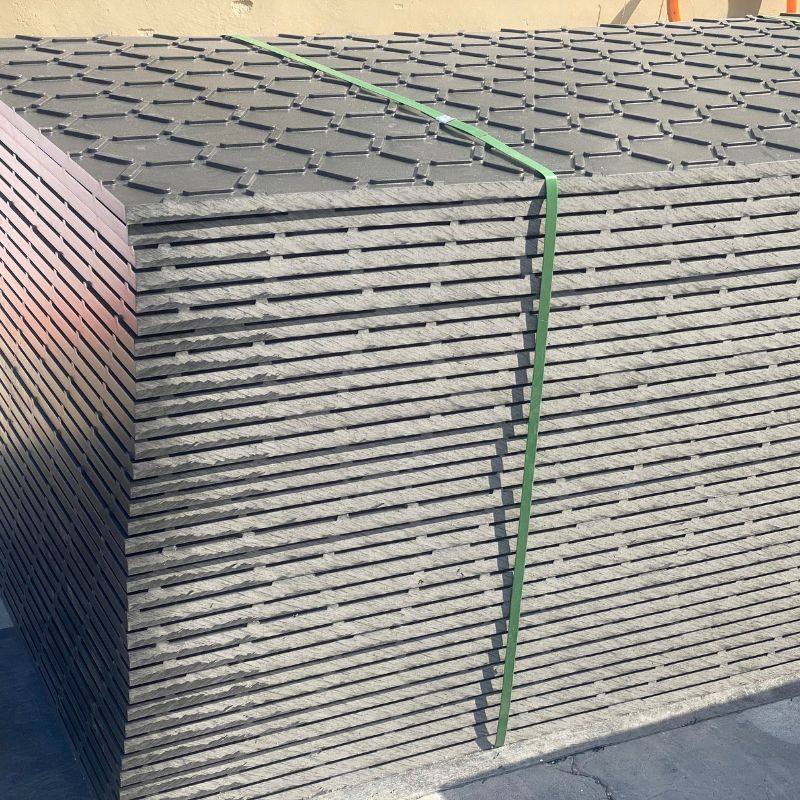
PE Ground Protection Mats for Construction
Product Parameters
Temporary Access, Surface Protection, and Reliable Site Mobility
Polyethylene paving boards are engineered temporary roadway panels used to create safer, more stable access over soft or vulnerable ground. Manufactured from HDPE or ultra-high-molecular-weight polyethylene, these panels provide a practical alternative to steel plates and timber boards where rapid installation, reduced handling weight, and repeated reuse are important. They are commonly known as polyethylene road base boards, PE road base boards, or temporary road mats.
On construction sites, unstable terrain can delay vehicle movement, damage lawns or natural soil, and increase the risk of equipment becoming stuck. These mats distribute the load of construction traffic across a broader surface, helping create temporary routes for excavators, cranes, pump trucks, service vehicles, and other machinery. Actual load capacity depends on mat thickness, ground conditions, vehicle configuration, and correct installation; selecting the suitable panel specification for the site is therefore essential.
Built for Demanding Ground Conditions
HDPE provides a balanced combination of toughness, corrosion resistance, and low water absorption. For applications requiring enhanced wear resistance, UHMWPE panels offer excellent performance under frequent traffic and abrasive conditions. With water absorption of no more than 0.01%, the material does not readily swell or deteriorate in wet environments. Unlike steel, it does not rust; unlike wood, it will not rot, splinter, or absorb moisture during prolonged outdoor use.
The mats remain usable across a broad -70°C to +80°C service temperature range. Their low-temperature toughness is particularly valuable for projects in cold regions, where many conventional materials become brittle. Resistance to acids, alkalis, salt spray, oil contamination, and weather exposure also makes these panels suitable for coastal works, oilfields, industrial sites, and remote infrastructure projects. UV-resistant outdoor formulations can be specified for long-term open-air use.
Traction-Oriented Surface and Modular Connection Options
A dependable temporary route requires more than load distribution. The working surface must also help maintain traction in rain, mud, sand, and loose soil. Available double-sided textures include diamond patterns, herringbone patterns, and raised anti-slip profiles. These patterned surfaces improve grip for tyres, tracks, and pedestrian footwear while helping reduce slipping on wet job sites.
For organized route construction, panel edges can be supplied with interlocking slots or connection holes. This allows adjacent boards to be joined into a more continuous surface and helps limit movement during use. Connection details may be processed to meet the project layout, access width, installation method, or equipment requirements. Panels can also be cut, drilled, and machined for practical on-site integration when required.
Why Project Teams Choose Polyethylene Roadway Panels
- Lower handling burden: the panels weigh approximately one-seventh to one-eighth of comparable steel plates, allowing two workers to handle many configurations without large lifting equipment.
- Strong impact resistance: with impact strength of at least 80 kJ/m², the material is designed to withstand demanding site handling and repeated traffic conditions.
- Ground protection: a temporary mat roadway helps reduce rutting, compaction, and surface damage to grass, soil, and landscaped areas.
- Rapid deployment: modular panels can be laid, connected, removed, and relocated efficiently as work zones change.
- Reusable value: durable polyethylene boards can be repeatedly installed and recovered, supporting lower whole-life costs than single-use access materials.
- Weather and chemical resistance: the material is suitable for wet, salty, oily, and corrosive operating environments where conventional boards require frequent replacement.
Typical Applications
These temporary paving panels are widely used wherever equipment must cross difficult ground without compromising access or damaging the underlying surface. On building projects, they form temporary site roads and working platforms for cranes and excavators on muddy areas. Mining, oilfield, and wind power developments use them to support equipment movement over sand, marshland, and undeveloped terrain. Municipal repair teams and emergency responders can establish access routes quickly during flood control, utility repair, or disaster recovery operations.
They are equally effective for non-industrial ground protection. Event organizers use temporary road mats to protect lawns at festivals, exhibitions, and outdoor gatherings. Landscape contractors can preserve green spaces while allowing maintenance vehicles to enter. Additional uses include temporary parking areas, port facilities, agricultural wetland access, and service routes for machinery operating away from paved roads.
Installation Considerations for Safer Performance
- Assess soil bearing conditions, drainage, vehicle weight, axle loads, and turning requirements before selecting panel thickness and route design.
- Clear sharp debris, major voids, and unstable obstructions from the installation area to create the most even base possible.
- Lay panels in the intended traffic direction and use compatible connection features where a continuous route is needed.
- Avoid abrupt turns, excessive spinning, or unsupported overhangs that may place concentrated stress on panel edges.
- Inspect the route regularly, especially after heavy rain or changes in traffic patterns, and reposition panels where ground settlement occurs.
Dezhou Yiyuan New Material Technology Co., Ltd. specializes in rubber and plastic products, including UHMWPE sheets, wear-resistant liners, UHMWPE rollers, custom-shaped UHMWPE components, PE sheets, PP sheets, nylon products, polyurethane products, and machined special parts. Our operating principle is clear: pursue superior product quality, provide service with sincerity, and build long-term business relationships through trust. For temporary roadway projects, our team can discuss material selection, surface pattern preferences, connection processing, and practical customization needs based on your operating environment.
Get a quote and proposal
Your privacy is protected by us (please refer to the Privacy Policy).
Phone
Address
