Engineering Plastics for Extreme Wear & Industrial Applications——YiYuan New Material | Founded in 2021


Please give us a message
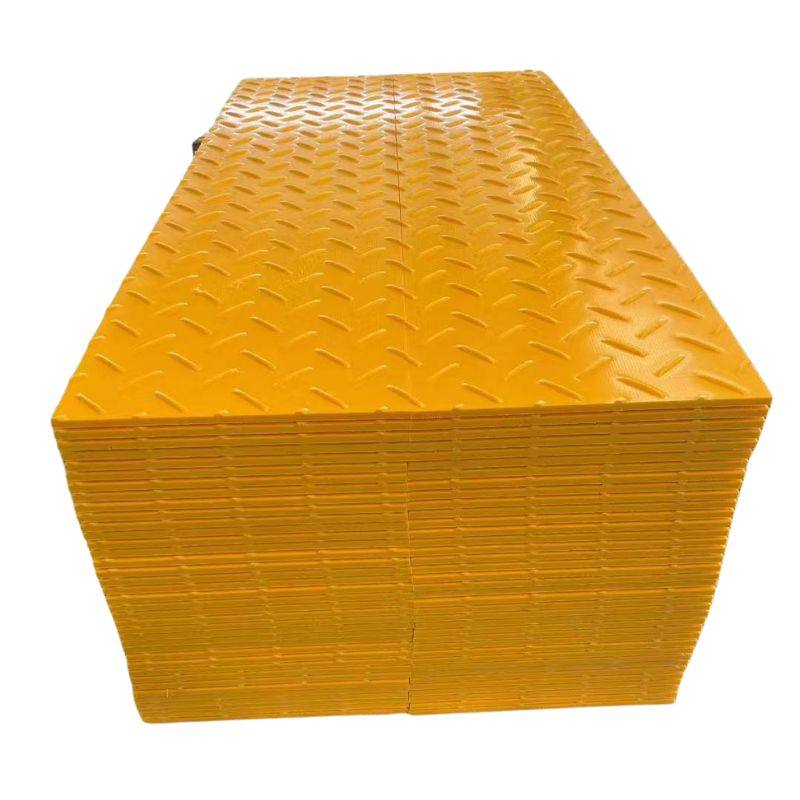
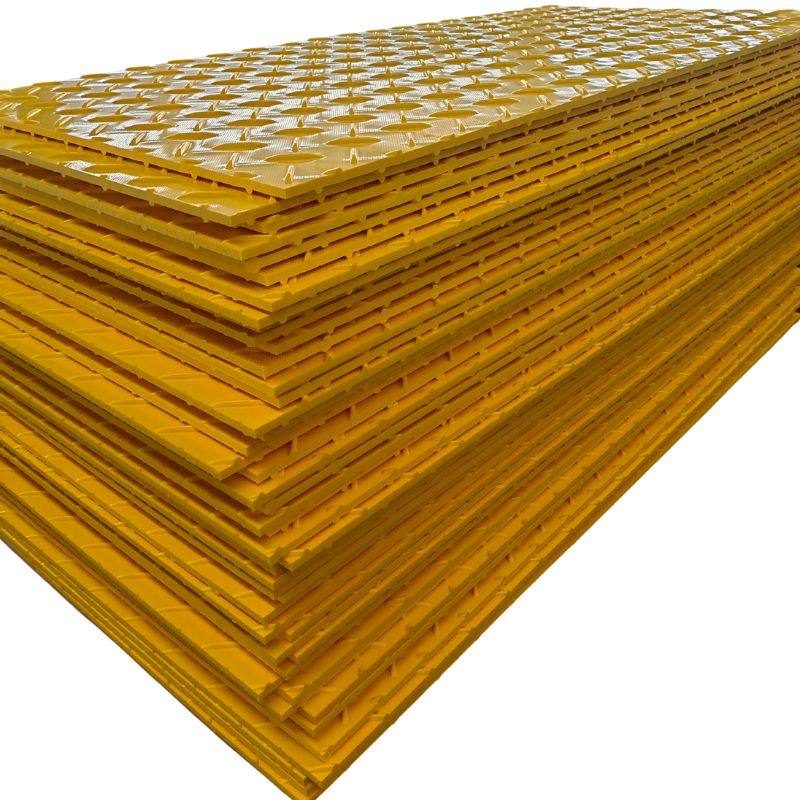
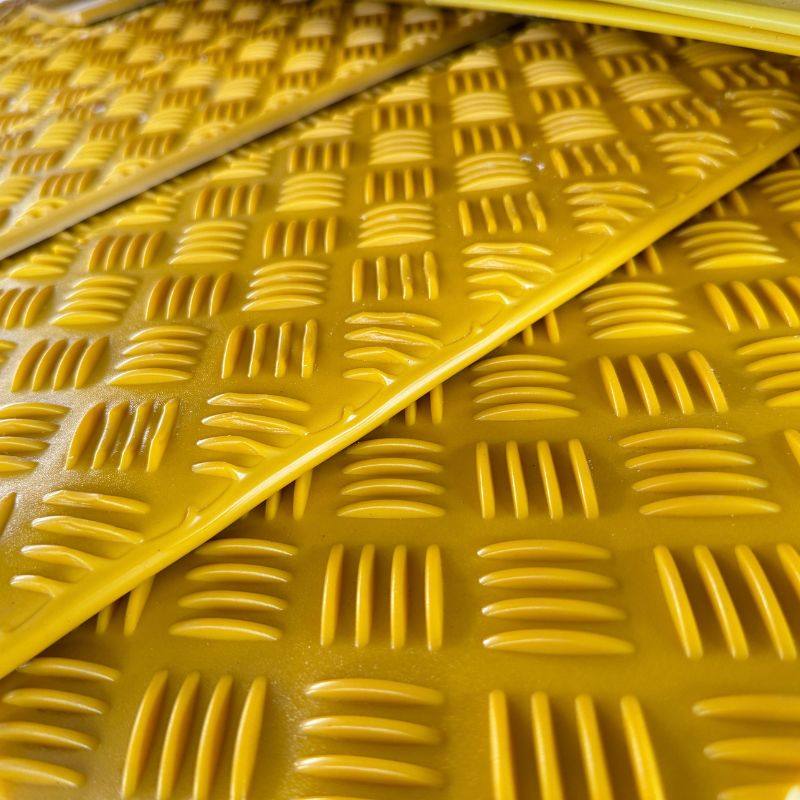
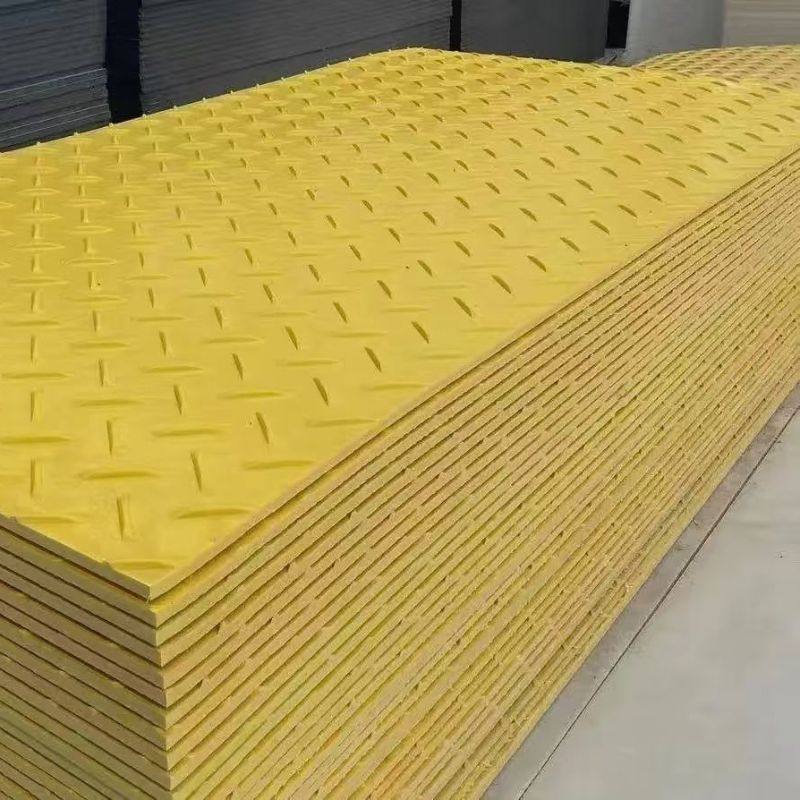
PE Ground Protection Mats for Heavy Equipment
Product Parameters
Designed for demanding temporary access work, these polyethylene mats combine low weight with reliable mechanical strength. Material selection, surface texture, and connection details can be matched to site conditions and equipment requirements.
Temporary Access, Surface Protection, and Heavy Equipment Support
PE Ground Protection Mats for Heavy Equipment are engineered plastic panels used to create temporary roads, working pads, and access lanes where natural ground cannot reliably support traffic. Produced from high-density polyethylene or ultra-high-molecular-weight polyethylene, they provide a practical alternative to steel plates and timber mats for projects requiring fast deployment, repeat use, and ground preservation.
A soft construction site, sandy access route, marshy work area, or rain-soaked field can quickly interrupt operations. Rather than allowing tyres or tracks to sink into the surface, polyethylene road mats spread equipment pressure over a wider area. This helps establish a more stable travel path while reducing rutting, soil disturbance, and damage to lawns or finished ground. Final mat thickness, panel arrangement, and connection method should always be selected according to equipment weight, axle or track loading, turning activity, and actual ground conditions.
Built for Practical Jobsite Conditions
The low density of polyethylene is a major advantage during mobilization. Compared with steel plates, these panels are approximately one-seventh to one-eighth of the weight, allowing two people to handle many installations without relying on large lifting equipment. This simplifies work in restricted areas, remote sites, and projects where lifting resources are limited. Once positioned, the mats can support the passage of excavators, cranes, pump trucks, and other heavy equipment when the appropriate specification is chosen for the load.
Both sides can be formed with traction-focused textures, including diamond, herringbone, and raised anti-slip patterns. These surfaces help improve grip for equipment and personnel in wet or muddy conditions. UHMWPE options are particularly suitable where high wear resistance is a priority. Their impact strength and toughness also support use in environments exposed to repeated traffic, uneven terrain, or dropped materials.
For cold-region projects, the material retains toughness within a -70°C to +80°C service range. This is valuable for winter construction, mining access, and outdoor infrastructure work where conventional materials may become brittle. With water absorption of ≤0.01%, the panels do not readily take up moisture. They also resist corrosion caused by acids, alkalis, salt spray, oils, and common site contaminants, so there is no rusting or rotting associated with steel and timber alternatives.
Modular Installation and Repeatable Use
Efficient installation is central to the value of a temporary roadway system. Side edges can be made with interlocking slots or connection holes, enabling panels to be assembled into a more continuous working surface. Connecting adjacent mats helps limit separation during traffic and creates a more orderly access route. Depending on the project layout, panels can be installed in straight runs, turning sections, equipment platforms, parking areas, or protected pedestrian paths.
- Assess the route: identify soft spots, slopes, drainage areas, turning zones, and the intended equipment traffic pattern.
- Prepare the surface: remove sharp debris and level major obstructions where practical before laying panels.
- Lay and connect mats: position panels in the planned direction and use the specified joining features where required.
- Inspect during use: check alignment, connection security, and surface condition, especially after heavy rainfall or repeated turning movements.
- Recover and reuse: dismantle the route after the project, clean the panels, and store them for the next deployment.
Unlike one-time fill materials or disposable site coverings, polyethylene mats can be installed, removed, and reused hundreds of times when handled appropriately. They can also be cut, drilled, or machined for specific connection positions and site layouts. This reusability, together with recyclable material options, supports lower long-term operating costs for contractors, rental fleets, and organizations with recurring field work.
Where These Mats Add Value
These temporary roadway panels are widely used wherever access must be created without extensive permanent road construction. They are suitable for construction teams, civil contractors, utility crews, mining operators, energy project managers, event organizers, agricultural users, and emergency-response organizations.
- Construction projects: temporary site roads on muddy ground, crane support areas, excavator access lanes, and equipment staging zones.
- Mining, oilfields, and wind power: field access for machinery across sand, wetlands, soft soil, and remote project locations.
- Municipal and emergency work: rapid access routes for repairs, flood response, rescue operations, and temporary service corridors.
- Landscaping and public events: lawn and green-space protection for festivals, exhibitions, temporary vehicle routes, and pedestrian walkways.
- Ports, farms, and temporary parking: working lanes for wetland agricultural machinery, dockside operations, and short-term vehicle areas.
Material Knowledge and Custom Processing Support
Dezhou Yiyuan New Material Technology Co., Ltd. specializes in rubber and plastic products, including UHMWPE sheets, wear-resistant liners, UHMWPE rollers, machined special-shaped components, PE sheets, PP sheets, nylon products, polyurethane products, and customized fabricated parts. This material-processing background supports practical discussions about polyethylene selection, anti-slip surface requirements, joining details, and customized machining needs.
Before ordering, provide the operating environment, equipment type, anticipated traffic frequency, ground condition, and preferred connection arrangement. Clear project information enables a more suitable solution for temporary access, soil protection, and safe equipment movement. The company follows a service principle of quality-focused production, sincere sales service, and trustworthy contract performance.
Get a quote and proposal
Your privacy is protected by us (please refer to the Privacy Policy).
Phone
Address
