Engineering Plastics for Extreme Wear & Industrial Applications——YiYuan New Material | Founded in 2021


Please give us a message
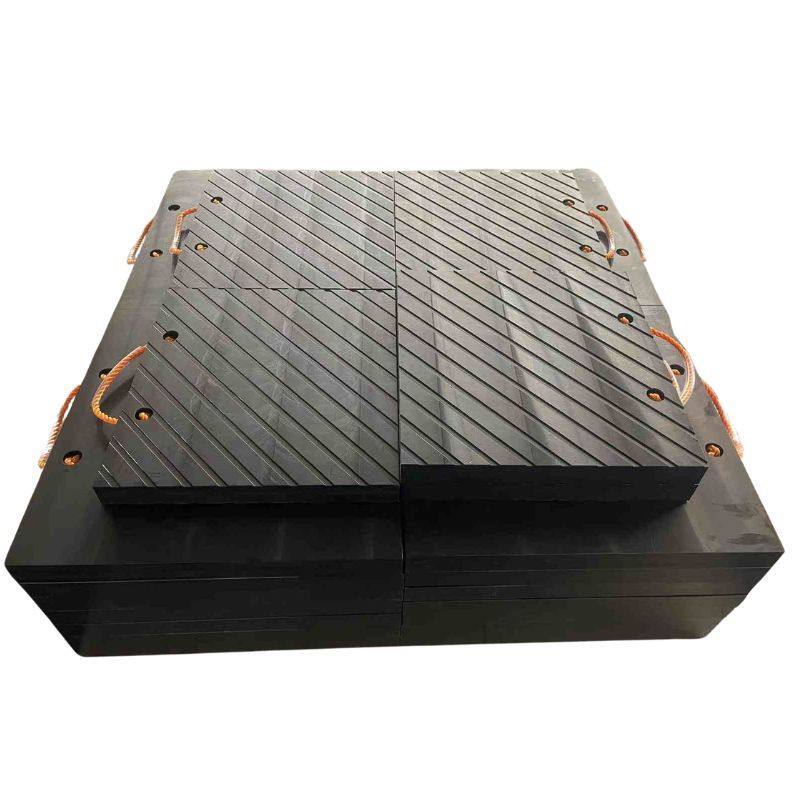
UHMWPE Outrigger Pads for Concrete Pump Trucks
Product Parameters
Designed for demanding support applications, these polymer bearing pads provide a broad, stable contact surface beneath equipment outriggers. Material selection and pad dimensions should be matched to the equipment load, outrigger footprint, and actual ground conditions before use.
Reliable Ground Support for Heavy Equipment
Outrigger pads, also known as crane pads, stabilizer pads, load-distribution pads, or bearing blocks, are essential safety accessories for mobile concrete pumps, truck cranes, crawler cranes, aerial work platforms, and other heavy-duty machinery. They are placed directly beneath the outrigger feet to spread concentrated force across a larger area. This helps reduce the risk of ground settlement, uneven stabilizer support, machine tilt, and avoidable instability during operation.
On a well-compacted concrete surface, an outrigger may appear to need little additional support. Real jobsites, however, are rarely uniform. Backfilled ground, wet soil, sand, gravel, roadside shoulders, frozen surfaces, and muddy construction areas can all react differently under load. A properly selected pad creates a wider bearing area between the machine and the surface, giving operators a more dependable support base while preparing for pumping, lifting, or elevated work.
Built from High-Performance Polyethylene
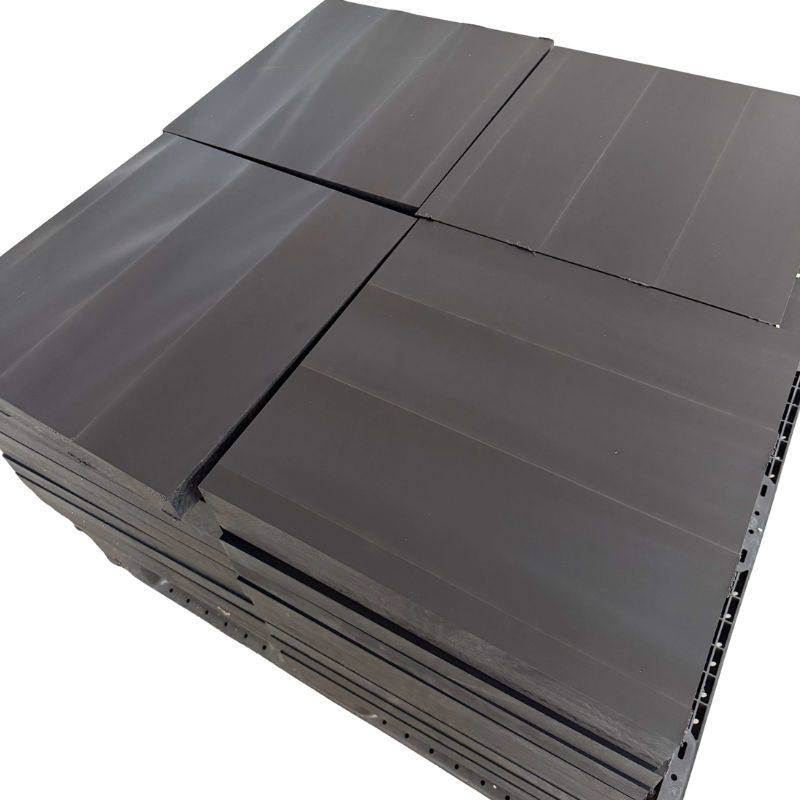
These UHMWPE Outrigger Pads for Concrete Pump Trucks are compression molded from ultra-high-molecular-weight polyethylene or HDPE. UHMWPE is valued in industrial applications for its toughness, impact resistance, wear resistance, and very low moisture absorption. Unlike conventional metal support plates, polymer pads do not rust or rot, and they remain easier to handle in wet, corrosive, or outdoor environments.
The material is engineered to flex under demanding loading rather than fail in a brittle manner. This tough, non-brittle behavior is particularly valuable where pads are repeatedly transported, placed, and retrieved on active construction sites. It does not remove the need for correct load planning or stable ground assessment, but it offers a practical and resilient alternative to heavy steel plates and improvised timber blocking.
Heavy Load Capacity with Easier Handling
With a stated load-bearing range of 10–200 tonnes, pads can be specified for different equipment classes and operating requirements. Actual selection should always consider the load imposed at each individual outrigger, the pad size and thickness, the stabilizer foot dimensions, and the bearing capacity of the ground. A larger pad does not replace a site-specific safety assessment; it is one part of a controlled equipment setup.
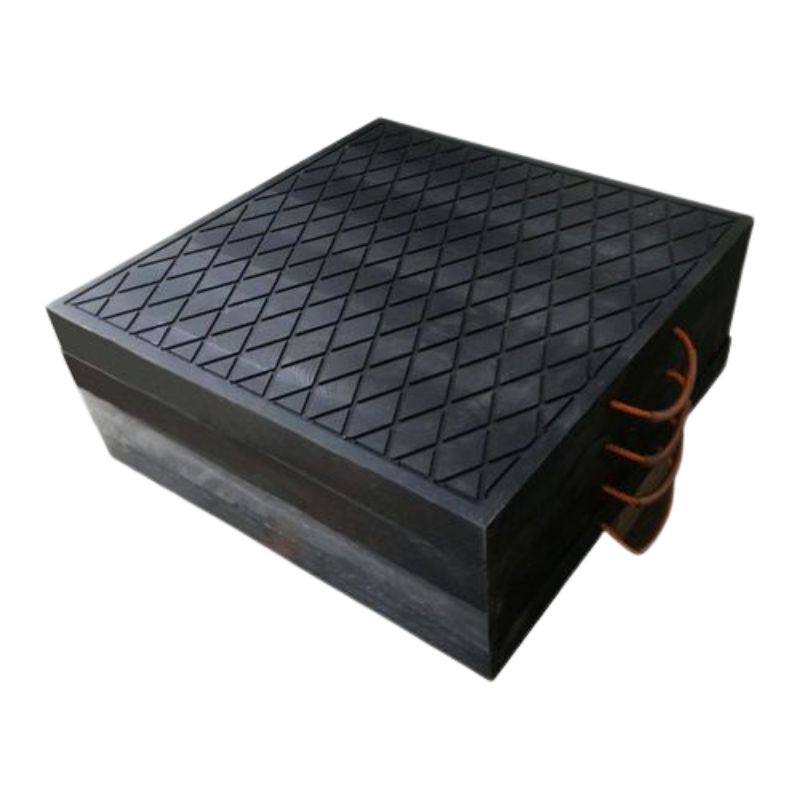
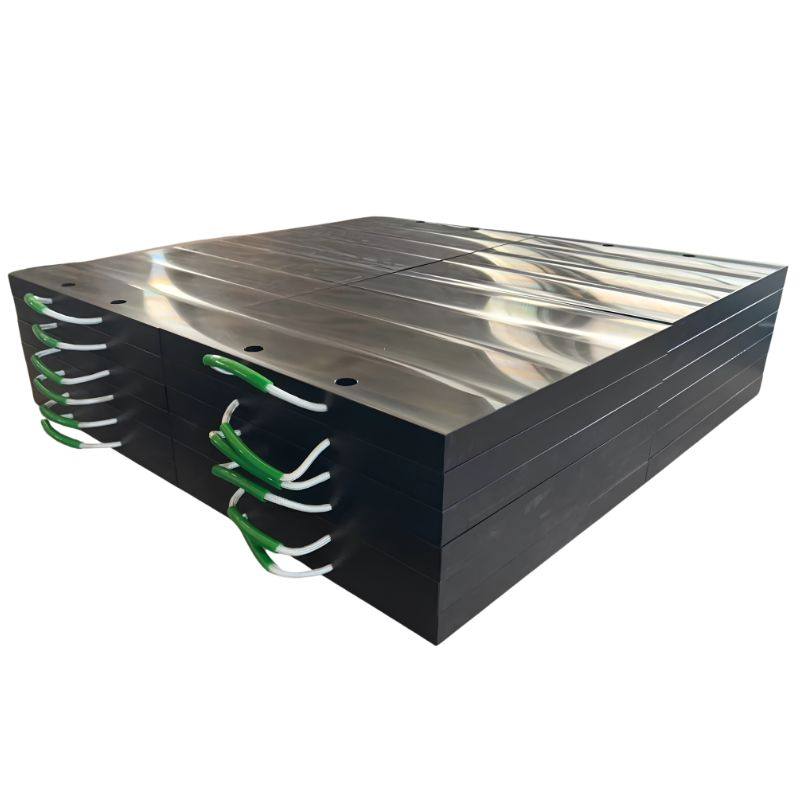
A major operational advantage is weight. Polymer pads weigh approximately one-seventh as much as comparable steel plates, making routine deployment considerably more manageable. Integrated rope handles allow a single worker to carry, position, and remove many pad configurations without lifting equipment. For concrete pumping teams and crane crews working to tight schedules, this can simplify site preparation and reduce unnecessary manual-handling effort.
Surface Grip and All-Weather Durability
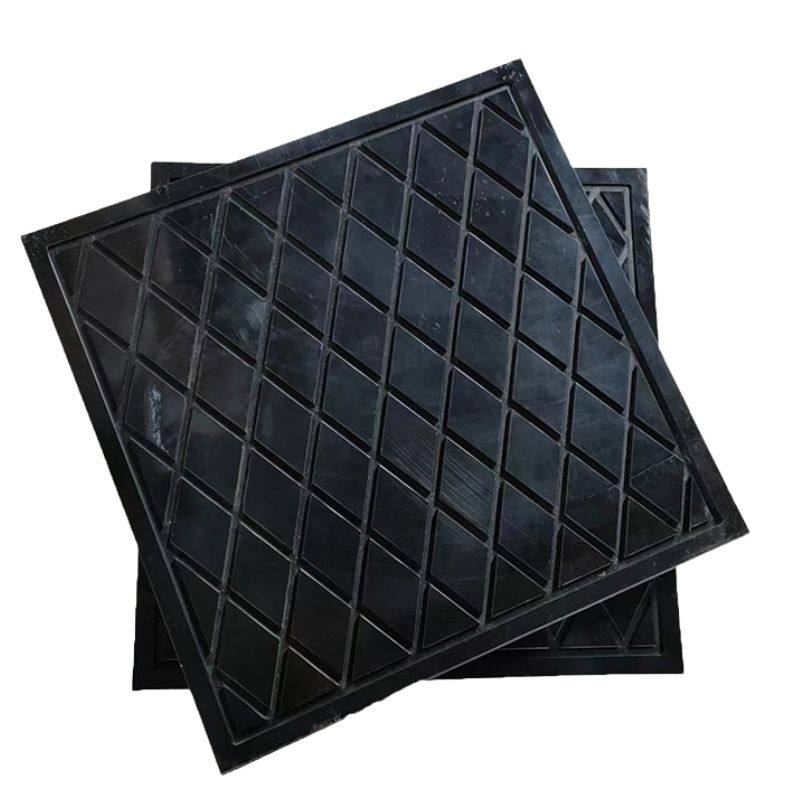
Optional anti-slip surface patterns can improve grip between the outrigger foot, pad, and working surface. This is especially useful on rain-soaked ground, snow, mud, or uneven terrain where smooth support materials may shift more easily. The pads absorb virtually no water, helping them retain their practical handling characteristics after exposure to wet conditions.
UHMWPE and HDPE also resist many common sources of site deterioration, including acids, alkalis, salt spray, and ultraviolet exposure. They will not corrode like steel or decay like wood. Their service temperature range of -70°C to +80°C supports use in cold outdoor environments while maintaining material toughness. The electrically insulating nature of the polymer can also be beneficial in applications where non-conductive support accessories are preferred, subject to all applicable electrical safety procedures.
Custom Options for Equipment and Site Requirements
Every machine has different outrigger dimensions, operating loads, storage limitations, and site access conditions. For this reason, UHMWPE Outrigger Pads for Concrete Pump Trucks can be manufactured in square, round, or special profiles. Size, thickness, color, surface texture, rope-handle arrangement, and logo marking can be customized to suit fleet standards or equipment interfaces.
- Square pads provide a familiar, space-efficient support format for many truck-mounted machines.
- Round pads can be selected where a circular footprint better matches the stabilizer configuration.
- Custom-shaped pads accommodate unusual outrigger feet, restricted storage spaces, or specific operational preferences.
- Anti-slip machining adds surface texture for challenging weather and ground conditions.
- Rope handles and identification marks support quicker handling, inventory management, and fleet branding.
Where These Pads Are Used
These durable support pads are suitable for a broad range of heavy-equipment operations where concentrated point loads need to be distributed more effectively. They are commonly used beneath truck-mounted concrete pumps, mobile cranes, crawler crane support systems, boom lifts, aerial platforms, and other stabilizer-equipped vehicles.
- Construction projects: Building sites, infrastructure work, bridge projects, and concrete placement areas with variable ground conditions.
- Wind energy installation: Temporary support for lifting equipment operating on prepared or semi-prepared terrain.
- Mining and industrial sites: Heavy machinery setup on gravel, compacted soil, uneven yards, or outdoor work zones.
- Emergency and rescue operations: Fire trucks and rescue lifting equipment requiring stable temporary outrigger support in the field.
- Heavy equipment positioning: Load-distribution blocks for presses, large machinery, and other high-pressure support points.
Practical Use Guidance
Before deployment, inspect each pad for damage, excessive wear, deep cuts, or deformation. Clear loose debris from the support area and place the pad on as level and firm a surface as practical. Center the outrigger foot on the pad and confirm that the full support system remains stable as load is applied. Never use a pad to bridge voids, cover unstable excavation edges, or compensate for unsuitable ground conditions.
Operators should follow equipment manufacturer instructions, local site rules, and applicable lifting or pumping safety regulations. The pad must be selected as part of a complete setup plan, not as a substitute for competent supervision. Correct use helps crews gain the durability, portability, and pressure-distribution benefits that polymer support pads are designed to provide.
Manufacturing Support from Dezhou Yiyuan New Material Technology Co., Ltd.
Dezhou Yiyuan New Material Technology Co., Ltd. specializes in rubber and plastic products, including UHMWPE sheets, wear-resistant liners, UHMWPE rollers, machined UHMWPE components, PE sheets, PP sheets, nylon products, polyurethane products, and customized irregular parts. The company focuses on quality-led manufacturing, honest sales service, and reliable contractual cooperation. This production experience supports practical customization for customers seeking durable, application-focused outrigger pad solutions.
Get a quote and proposal
Your privacy is protected by us (please refer to the Privacy Policy).
Phone
Address
