Engineering Plastics for Extreme Wear & Industrial Applications——YiYuan New Material | Founded in 2021


Please give us a message
HDPE Sheets for Chemical Tank Linings
Product Parameters
Material Performance, Fabrication, and Industrial Uses
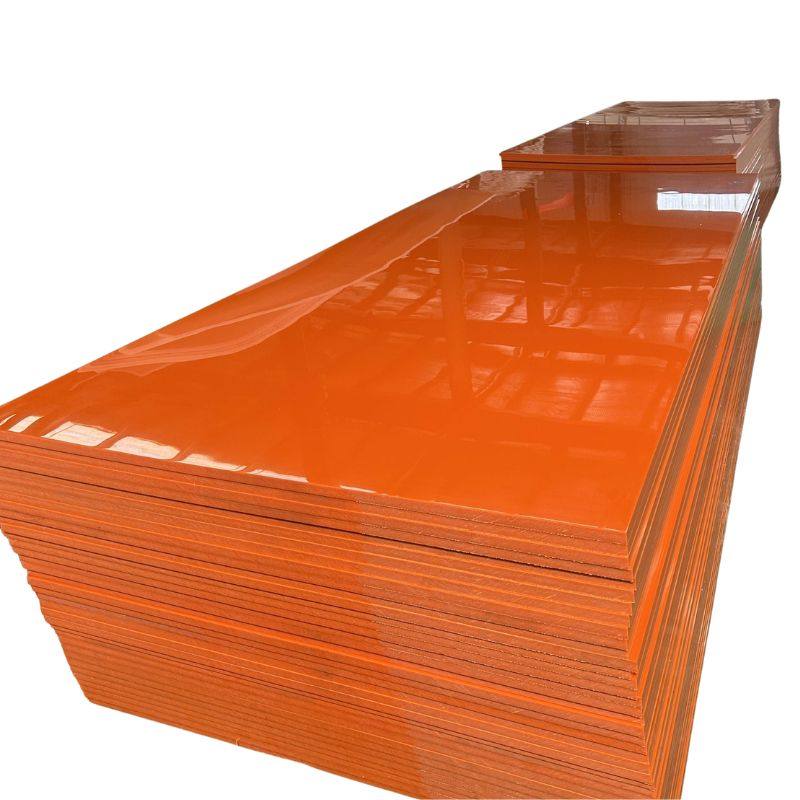
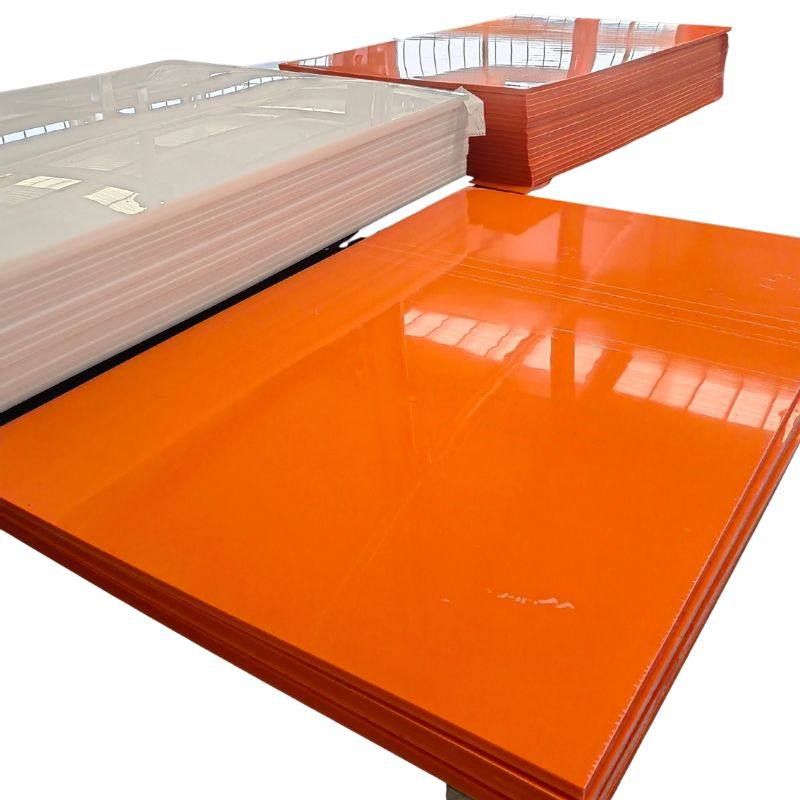
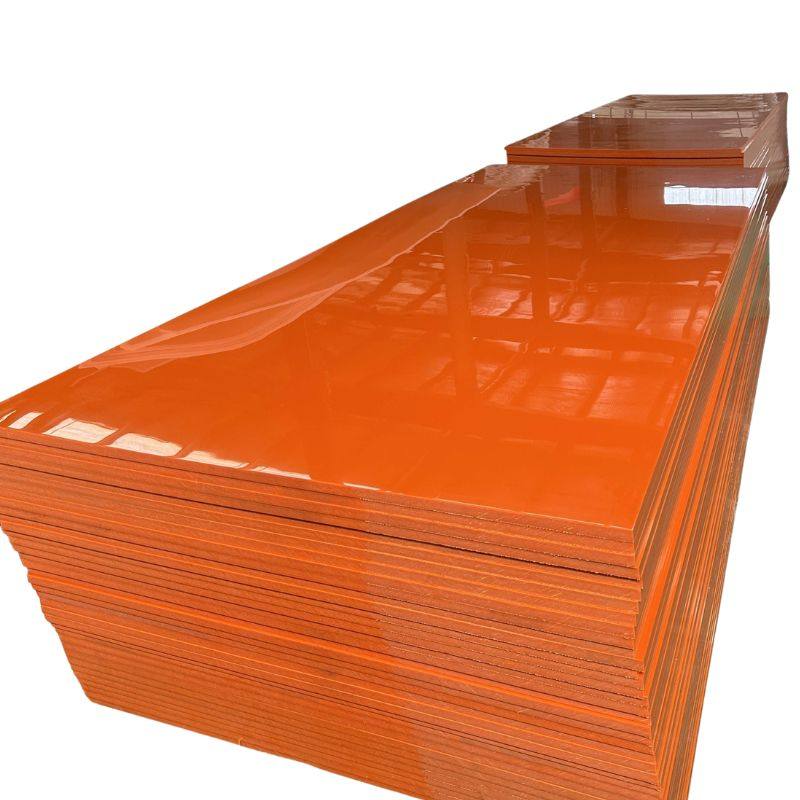
HDPE Sheets for Chemical Tank Linings provide a practical thermoplastic barrier material for facilities that need reliable protection against moisture, many acids, alkalis, and salt-containing media. Produced by extrusion from polyethylene resin, these sheets combine low weight with useful mechanical flexibility. Their milky-white, semi-transparent natural finish is suitable for many industrial projects, while colored sheets can be supplied where equipment identification, visual zoning, or site-specific design standards are required.
For tank refurbishment and new containment work, material selection should be based on the actual chemical medium, concentration, operating temperature, pressure condition, and installation method. HDPE is widely valued in wastewater and moderate chemical-duty environments because it does not rust, absorbs very little water, and maintains a smooth, non-porous surface. The stated water absorption of ≤0.01% helps reduce concerns associated with moisture uptake in wet-service applications.
Designed for Tough, Wet, and Impact-Prone Environments
A lining material is expected to tolerate more than chemical contact alone. During installation, maintenance, loading, and routine cleaning, sheets may be exposed to knocks, vibration, or repeated contact with tools and equipment. With a tensile yield strength of 21–25 MPa and elongation at break of at least 250%, this polyethylene sheet offers a balanced combination of strength and ductility. It is less likely to become brittle under impact than many rigid sheet materials, including in low-temperature working conditions.
The long-term service range of -70°C to +80°C supports use in cold storage-adjacent areas, outdoor industrial installations, water systems, and general processing environments within the stated temperature limits. Operating conditions outside this range, or applications involving aggressive oxidizing chemicals, elevated pressure, or high-temperature media, should be reviewed by the project engineer before material approval.
Key Advantages for Lining and Fabrication Projects
- Impact resistance: The material retains good toughness and can withstand repeated contact in demanding industrial areas.
- Chemical and corrosion resistance: Its resistance to acids, alkalis, and salts makes it a suitable option for wastewater systems and light chemical service where compatibility has been confirmed.
- Low-friction surface: The smooth surface helps reduce material hang-up and is useful for chutes, hoppers, sliding components, and protective liners.
- Low weight: Compared with many metal alternatives, polyethylene sheet is easier to handle, position, and install on site.
- Flexible processing: It can be cut, drilled, hot-bent, and thermally welded to suit lining layouts, fabricated guards, and custom components.
- Safe material option: Virgin HDPE is non-toxic and odorless. Food-contact or potable-water applications should use the appropriate food-grade material specification and comply with local project requirements.
Reliable Joining and On-Site Installation
HDPE lining projects often require precise cutting, seam preparation, anchoring, and welding. The sheet can be fabricated into flat panels, formed sections, protective covers, and fitted liners. Thermal welding enables adjoining pieces to be joined into continuous surfaces when correct welding equipment, procedure, and qualified workmanship are used. Careful surface preparation and seam inspection are important for chemical tank work, particularly where leak prevention is a central requirement.
Before installation, confirm the tank geometry, sheet thickness requirement, fixing arrangement, expansion allowance, and expected exposure conditions. A properly planned layout can reduce unnecessary joints and simplify future inspection. For existing tanks, the substrate should be assessed for structural condition, sharp projections, contamination, and moisture-related issues before lining work begins.
Typical Application Areas
These sheets are used across chemical processing, water treatment, food handling, aquaculture, logistics, machinery protection, and general industrial fabrication. Their combination of corrosion resistance, wear resistance, and processability makes them suitable for both large-area lining and smaller custom-made parts.
- Wastewater tank liners and water storage tank pads
- Chemical tank lining systems for compatible media
- Hopper, bin, and chute liners that benefit from a smooth sliding surface
- Equipment guards, machine protection boards, and outdoor work pads
- Aquaculture boards and water-related protective panels
- PE anchor sheets, support-leg pads, sliding blocks, and spacer pads
- Food equipment pads and fabricated components made from suitable virgin-grade material
Custom Sheet Solutions from an Experienced Manufacturer
Dezhou Yiyuan New Material Technology Co., Ltd. specializes in rubber and plastic products for industrial use. Its product portfolio includes UHMWPE sheets, UHMWPE wear liners, UHMWPE rollers, custom-shaped UHMWPE parts, PE sheets, PP sheets, nylon products, polyurethane products, and machined special-shaped components. This broader materials capability helps customers evaluate suitable plastic products for lining, sliding, wear, protection, and fabrication requirements.
In addition to standard polyethylene board, customers may discuss special requirements such as food-grade PE sheet, fiberglass-reinforced PE sheet, flame-retardant polyethylene board, and custom colors or fabricated shapes. The final material grade should always be selected according to the intended service environment and applicable safety requirements. The company follows a service principle centered on quality-focused products, sincere sales support, and trustworthy contract performance.
Selection Guidance
For the best result, provide the intended application, chemical medium, operating temperature, tank dimensions, preferred color, and any cutting or machining requirements when requesting a quotation. This information supports more accurate material selection and a more efficient fabrication plan. HDPE Sheets for Chemical Tank Linings are an effective choice when the project calls for low water absorption, corrosion resistance, impact toughness, and practical on-site processing within the specified operating limits.
Get a quote and proposal
Your privacy is protected by us (please refer to the Privacy Policy).
Phone
Address
