Engineering Plastics for Extreme Wear & Industrial Applications——YiYuan New Material | Founded in 2021


Please give us a message
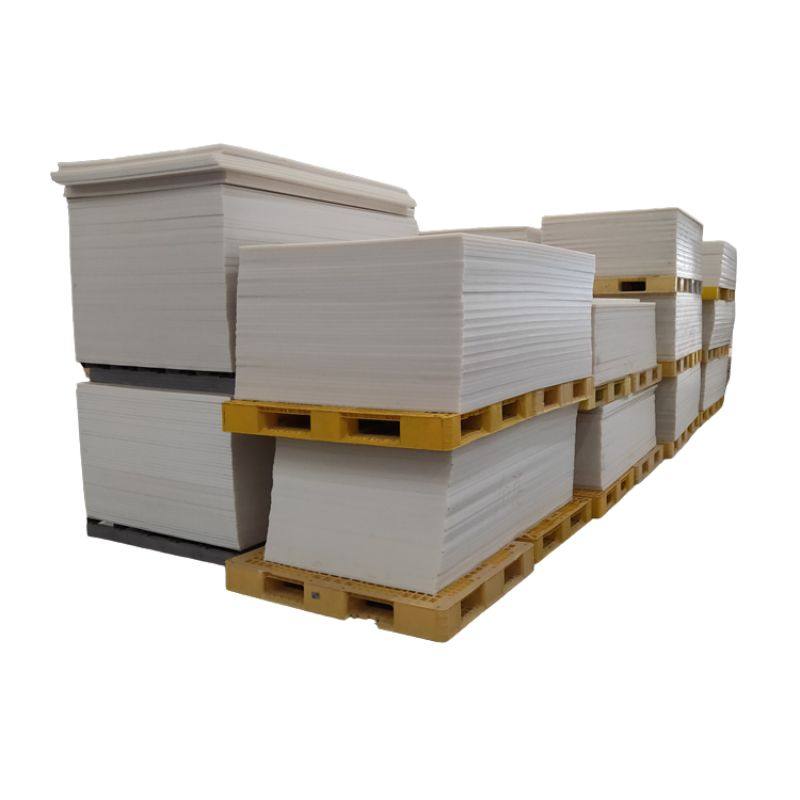
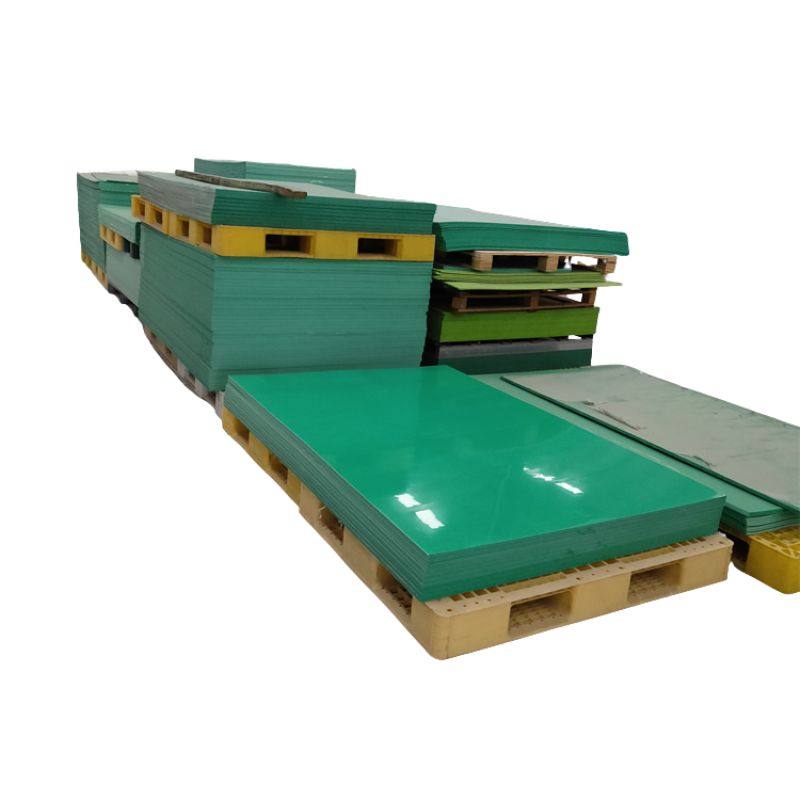
PE Sheets for Industrial Liners
Product Parameters
These polyethylene sheets are engineered for lining, protective barriers, fabricated parts, and general industrial installations where low moisture uptake, practical chemical resistance, and dependable impact performance are required.
Industrial Lining Performance and Fabrication Advantages
Polyethylene sheet is a thermoplastic panel extruded from polyethylene resin. In its standard form, it has a milky-white, semi-translucent appearance. Black, blue, green, yellow, and other colours can be specified to support visual identification, equipment matching, or site-management requirements. Its low weight and practical machining characteristics make it a proven material for chemical handling, food processing, logistics, water-related infrastructure, and equipment protection.
A practical choice for durable liner systems
PE Sheets for Industrial Liners help create a smooth, non-metallic working surface in locations exposed to moisture, repeated contact, bulk materials, or mild chemical media. Unlike steel components, polyethylene does not rust. Its exceptionally low water absorption also helps it remain suitable for wet operating environments, including water tanks, aquaculture installations, wastewater structures, and equipment used around washdown areas.
The material combines a tensile yield strength of 21–25 MPa with elongation at break of at least 250%. This balance is valuable where a rigid but brittle panel would be more likely to crack after an impact. Polyethylene retains useful toughness in low-temperature conditions and withstands repeated knocks from containers, moving materials, tools, and routine handling. Within its stated long-term service range of -70°C to +80°C, it offers a reliable solution for many indoor and outdoor industrial applications.
Key material benefits
- Impact toughness: The sheet resists cracking and maintains flexibility under repeated impact, including in cold environments.
- Chemical and corrosion resistance: It is resistant to acids, alkalis, and salts commonly encountered in wastewater and light chemical-duty applications.
- Low-friction, wear-resistant surface: The smooth surface supports material flow and reduces the tendency of many bulk materials to adhere. Its wear performance is superior to PP and standard PVC sheet in relevant sliding applications.
- Very low moisture uptake: With water absorption of ≤0.01%, the board is well suited to humid and water-contact environments.
- Convenient fabrication: Sheets can be cut, drilled, heat-bent, and thermally welded, allowing installers and fabricators to adapt panels to site dimensions and equipment geometry.
- Lightweight handling: Compared with many metal lining alternatives, polyethylene boards are easier to transport, position, and install.
Flexible material options for project requirements
Standard PE board is suitable for many general-purpose lining and protection tasks. For projects with specific performance requirements, material selection can also include food-grade PE board, glass-fibre-reinforced PE board, polyethylene flame-retardant board, and flame-retardant PE board options. The appropriate grade should be selected according to the actual operating environment, applicable safety requirements, intended contact media, and fabrication method.
Virgin HDPE material is non-toxic and odourless. Food-contact suitability should be confirmed against the relevant local food-contact regulations and the grade selected for the project. This verification is particularly important for food equipment pads, processing-line components, water-related systems, and applications where hygiene documentation is required.
Typical industrial applications
These sheets can be fabricated into flat liners, welded assemblies, wear pads, protective panels, and custom-shaped parts. Their combination of low friction, toughness, moisture resistance, and easy processing makes them suitable for a broad range of practical installations.
- Wastewater and water containment: liner panels for wastewater tanks, reservoir pads, water-storage structures, and aquaculture boards.
- Bulk material handling: hopper, chute, bin, and conveyor-area liners that assist material movement and protect underlying equipment surfaces.
- Machine and structure protection: equipment guards, leg support pads, mechanical slide blocks, spacers, and outdoor tooling pads.
- Construction and civil installations: PE anchor boards and protective elements that can be cut or welded to match installation details.
- Food and logistics equipment: pads and wear components for equipment where an appropriately specified food-grade material is required.
Installation considerations
For best results, the supporting surface should be clean, stable, and properly aligned before installation. Fixing positions, sheet thickness, thermal expansion allowance, weld design, and edge treatment should be planned according to the equipment structure and operating conditions. Thermal welding is useful where a continuous fabricated lining or sealed joint is required. For drilled fastening, hole positions should be laid out carefully to avoid unnecessary stress concentration and to accommodate movement caused by temperature variation.
Reliable supply and custom processing support
Dezhou Yiyuan New Material Technology Co., Ltd. specialises in rubber and plastic products, including UHMWPE sheets, UHMWPE wear liners, UHMWPE rollers, custom UHMWPE parts, PE sheets, PP sheets, nylon products, polyurethane products, and various machined special-shaped components. This product range supports customers who need more than a standard board and require material selection or fabricated parts for a defined operating task.
Our approach is founded on quality-focused manufacturing, honest sales service, and dependable contractual cooperation. Whether the requirement is a straightforward protective panel, a tank lining layout, a wear pad, or a custom-machined polyethylene component, project details can be reviewed to help identify a practical material and processing solution.
Get a quote and proposal
Your privacy is protected by us (please refer to the Privacy Policy).
Phone
Address
