Engineering Plastics for Extreme Wear & Industrial Applications——YiYuan New Material | Founded in 2021


Please give us a message
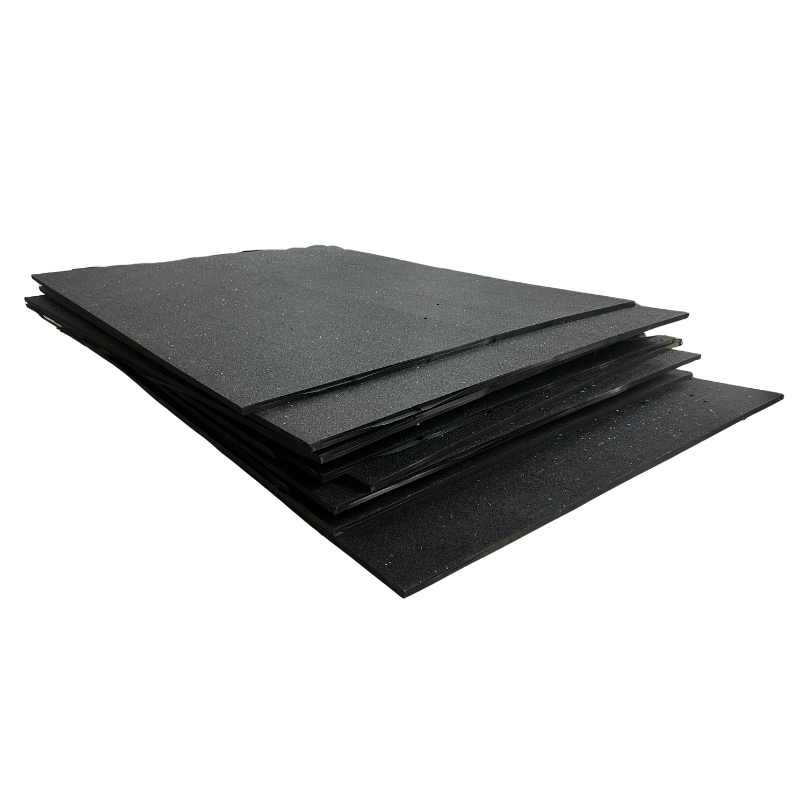
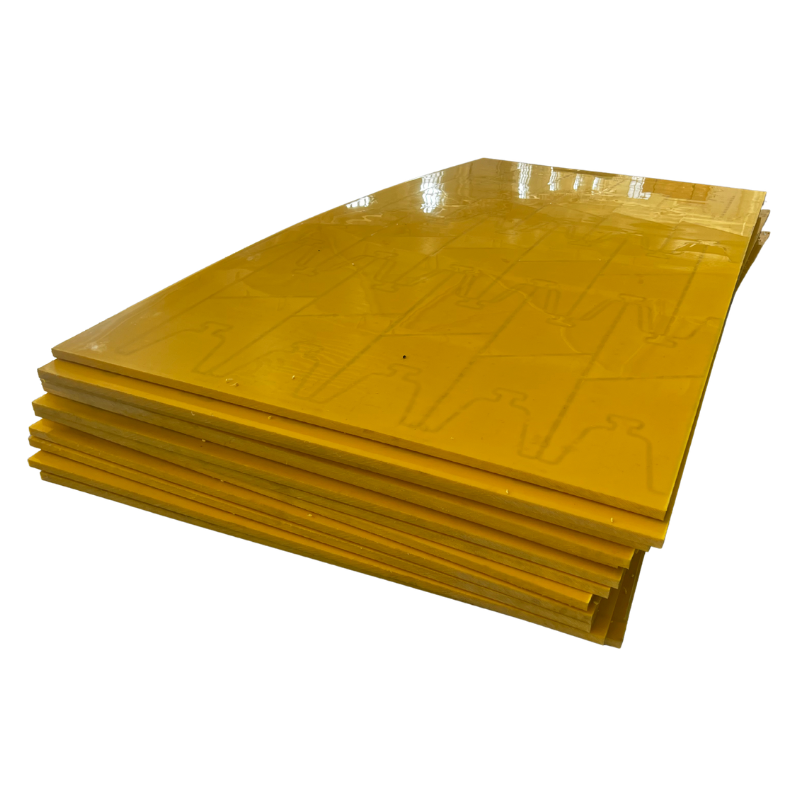
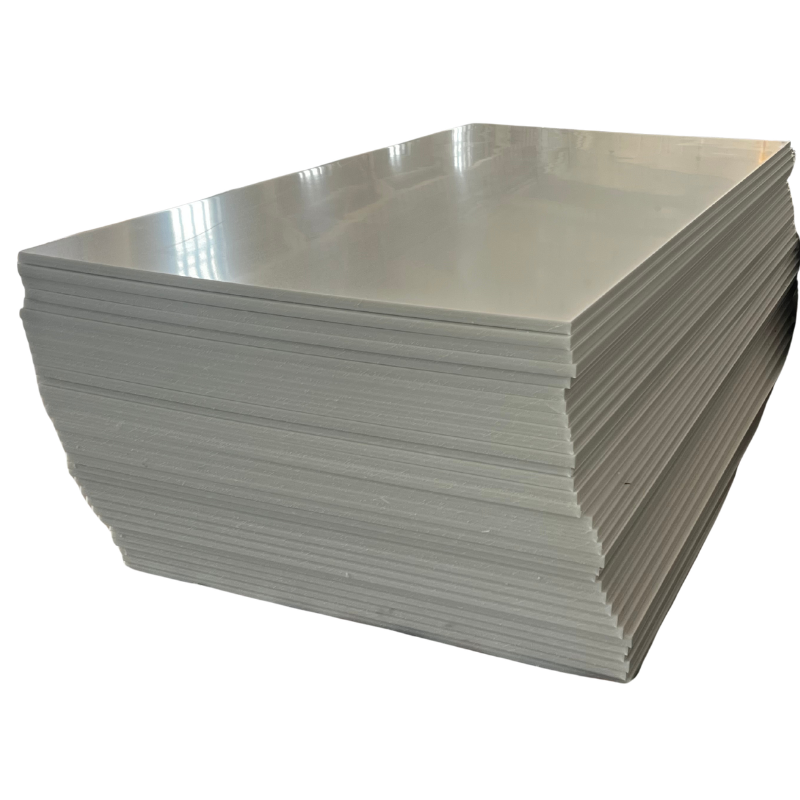
PE sheet used as a lining for water storage reservoirs.
Product Parameters
Reservoir Lining Performance and Application Guidance
Polyethylene sheet is a practical lining material for water storage reservoirs where operators need a smooth, corrosion-resistant barrier that is also straightforward to fabricate on site. Extruded from polyethylene resin, the sheet is lightweight, non-toxic and odourless. Its naturally low water uptake helps it remain stable in wet service, while its tough structure withstands routine handling, installation loads and repeated contact in industrial environments.
A PE sheet used as a lining for water storage reservoirs can help protect concrete, steel and supporting structures from direct exposure to stored water, wastewater or compatible process liquids. It is especially useful when a reservoir requires a cleanable internal surface, when corrosion of metallic components is a concern, or when the project calls for fabricated panels rather than a heavy rigid lining system. The smooth surface also reduces material adhesion and makes regular washing and visual inspection more convenient.
Designed for Wet and Chemically Demanding Environments
The material has a water absorption rate of no more than 0.01%, an important property for reservoir lining work. Low absorption means the sheet is less likely to take up water during prolonged exposure, supporting dependable performance in damp locations. Unlike metal linings, polyethylene does not rust. It also offers resistance to many acids, alkalis and salts, making it suitable for wastewater pools, aquaculture tanks and selected light chemical-duty applications.
Chemical suitability should always be reviewed against the actual medium, concentration, operating temperature and cleaning procedure before final material selection. This is particularly important for liquids containing strong oxidising agents, high concentrations of solvents or unknown process residues. A responsible lining design considers not only the sheet itself, but also the substrate condition, joint layout, fixing method, thermal movement and planned maintenance access.
Toughness That Supports Reliable Installation
With a tensile yield strength of 21–25 MPa and elongation at break of at least 250%, this PE board combines useful strength with flexibility. It is not prone to the brittle behaviour often associated with some rigid plastics, and it retains good impact resistance at low temperatures. The stated -70°C to +80°C long-term service range gives engineers flexibility when selecting liners for outdoor reservoirs, unheated utility areas and variable seasonal conditions.
Its low coefficient of friction and self-lubricating surface are additional advantages. Sediment, wet solids and certain bulk materials are less likely to cling to the sheet than to rough concrete or some conventional plastics. For facilities that clean reservoirs or adjacent channels regularly, this can simplify housekeeping and reduce the effort needed to remove buildup. The wear resistance also makes the material useful beyond the reservoir itself, including protective panels and sliding support pads.
Fabrication Options for Project-Specific Layouts
PE sheets can be cut, drilled, heat bent and thermally welded, allowing lining systems to be adapted to rectangular tanks, channels, corners, penetrations and equipment interfaces. Fabricators can prepare panels to match the reservoir geometry, then arrange seams and anchoring details according to the installation plan. The material’s lower weight compared with many traditional construction materials can also make transport, positioning and fitting more manageable for installation teams.
- Cutting and drilling: supports practical adaptation around pipework, drains and mechanical fixtures.
- Thermal welding: enables fabricated joints where a continuous lined surface is required.
- Heat forming: assists with shaped sections, bends and transitions.
- Custom colours: provides visual differentiation for water systems, equipment zones or site-specific identification.
Recommended Installation Considerations
- Inspect the reservoir substrate and remove sharp projections, loose debris and contaminants that could affect fitment.
- Confirm panel dimensions, expansion allowances, fixing locations and weld access before cutting material.
- Use trained personnel and suitable equipment for thermal welding when welded seams are specified.
- Check seams, penetrations and edge details before filling the reservoir or returning the system to service.
- Maintain records of the lining layout and perform routine inspections based on operating conditions.
Suitable Uses Across Industrial and Water-Handling Projects
In addition to stored-water applications, this material is used for wastewater tank linings, hopper and chute liners, aquaculture panels, PE anchor sheets, machine slide blocks, equipment guards, support pads, food equipment pads and outdoor work pads. Its combination of impact resistance, chemical resistance and machinability makes it relevant to chemical processing, food handling, logistics, water treatment and general industrial maintenance.
For potable-water or food-contact projects, virgin HDPE material may be selected where the required grade and applicable compliance documentation are specified by the purchaser. Material selection should be aligned with local regulations, project standards and the conditions of use. This approach helps procurement teams choose a solution that is technically appropriate rather than relying on a general material description alone.
Supply Support from Dezhou Yiyuan New Material Technology Co., Ltd.
Dezhou Yiyuan New Material Technology Co., Ltd. manufactures rubber and plastic products including UHMWPE sheets, wear-resistant UHMWPE liners, UHMWPE rollers, custom-shaped UHMWPE parts, PE sheets, PP sheets, nylon products and polyurethane products. The company supports standard sheet supply as well as customised dimensions, colours and machined components for project requirements.
For contractors, plant managers and fabricators, a PE sheet used as a lining for water storage reservoirs offers a balanced option when the priority is low water absorption, corrosion resistance, impact toughness and workable fabrication. Clear project data—including the stored medium, reservoir dimensions, operating temperature and joint requirements—will support a more accurate material recommendation and a better planned installation.
Get a quote and proposal
Your privacy is protected by us (please refer to the Privacy Policy).
Phone
Address
