Engineering Plastics for Extreme Wear & Industrial Applications——YiYuan New Material | Founded in 2021


Please give us a message
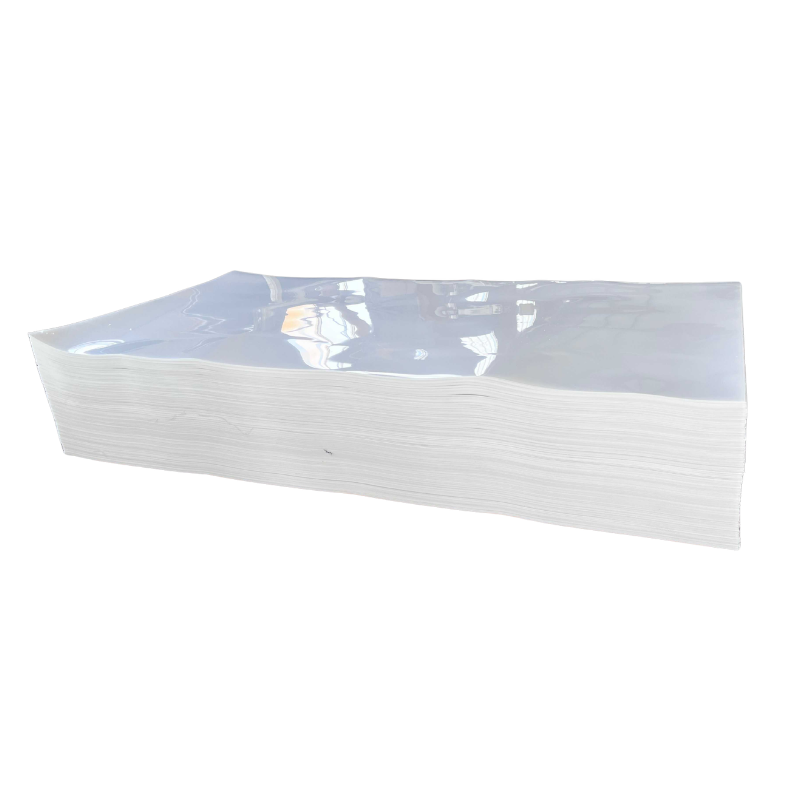
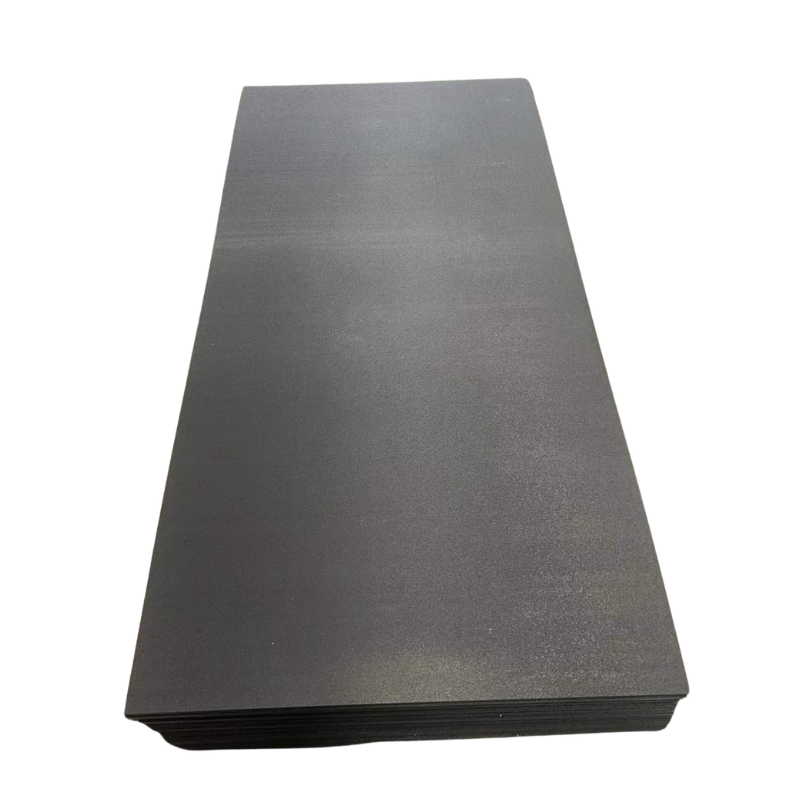
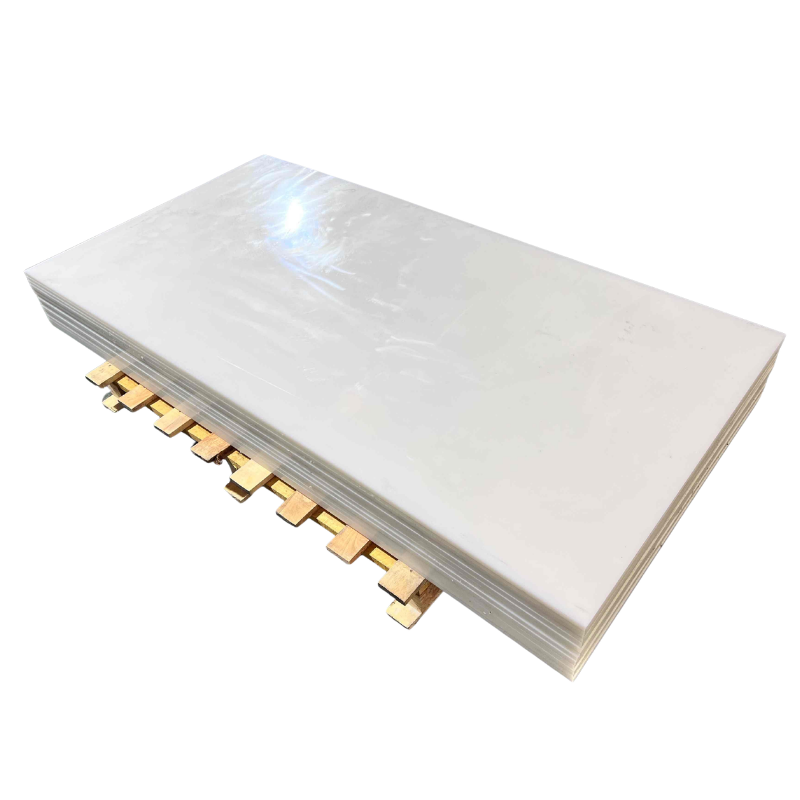
PE sheet used for wastewater tank liners.
Product Parameters
Detailed Description and Application Guidance
Polyethylene sheet is a practical thermoplastic material for lining, protection, separation, and fabrication work in demanding industrial environments. Extruded from polyethylene resin, it has a naturally milky-white, semi-transparent appearance and can also be supplied in black, blue, green, yellow, and other specified colours. Its low weight, smooth surface, chemical stability, and straightforward fabrication make it a dependable choice for operators who need a durable liner without the handling difficulty associated with heavy metal components.
For wastewater containment projects, a PE sheet used for wastewater tank liners provides a clean, corrosion-resistant barrier between the tank structure and the operating medium. It is particularly suitable where wastewater, salts, diluted acids, diluted alkalis, or moisture may cause corrosion or deterioration in conventional materials. The material does not rust, and its extremely low water absorption of ≤0.01% helps it retain stable performance in wet service conditions. Final liner design, sheet thickness, joint configuration, and fixing method should always be selected according to the tank structure, liquid composition, temperature, and site-specific engineering requirements.
Reliable Mechanical Performance for Everyday Industrial Use
This polyethylene board combines strength with flexibility. With a tensile yield strength of 21–25 MPa and elongation at break of at least 250%, it can better accommodate handling stresses, installation movement, and repeated contact than rigid materials that are prone to cracking. Its impact resistance is valuable during fabrication, transport, and service, especially in facilities where tanks are cleaned, equipment is moved nearby, or solids may intermittently contact the lining surface.
Low-temperature toughness is another important operational benefit. Within the stated long-term service temperature range of -70°C to +80°C, the sheet maintains useful resilience rather than becoming unnecessarily brittle. This makes it relevant for outdoor installations, cold storage-adjacent operations, seasonal water treatment systems, and industrial areas exposed to changing ambient temperatures. The service temperature limit should be observed carefully, particularly where heat sources, hot liquids, or continuous elevated-temperature exposure are present.
Key Benefits for Tank Lining and Protection
- Chemical and corrosion resistance: Suitable for many acid, alkali, salt, moisture, and wastewater environments where metal surfaces may corrode.
- Low moisture uptake: The material absorbs very little water, helping support stable use in wet tanks, water storage areas, and aquaculture facilities.
- Impact toughness: Resists repeated impact and retains toughness in low-temperature environments.
- Smooth, low-friction surface: Its self-lubricating characteristics help reduce material sticking and support wear-resistant lining applications.
- Convenient fabrication: The sheet can be cut, drilled, thermally bent, and heat welded for practical on-site or workshop assembly.
- Lightweight handling: Easier to move and install than many traditional protective materials, which can improve construction efficiency.
- Colour and size flexibility: Custom dimensions and colours can be selected to support identification, layout planning, or project-specific requirements.
Fabrication Considerations for Wastewater Tanks
A successful lining system depends on more than sheet selection. Before installation, the tank substrate should be inspected for sharp projections, loose debris, uneven areas, and structural damage that could affect liner fit or service life. Panels can be measured, cut, drilled, and positioned to match the tank geometry. Where welded joints are required, heat welding provides a practical method for creating continuous sheet connections. Welding quality should be assessed by trained personnel using procedures appropriate to the project and the selected sheet grade.
- Review the tank dimensions, corners, penetrations, drainage points, and operating conditions.
- Prepare the substrate so that the contact surface is clean and free of features that may damage the sheet.
- Cut and pre-fit panels before final fixing or welding to reduce unnecessary stress at joints.
- Use suitable thermal welding and fastening practices based on the tank design and installation plan.
- Inspect seams, overlaps, edges, and penetration details before the tank is put into service.
Because wastewater composition differs from one site to another, compatibility should be confirmed for applications involving concentrated chemicals, oxidising agents, unusual solvents, or process liquids outside normal wastewater conditions. This professional check is essential for selecting the correct liner arrangement and ensuring long-term performance.
Applications Beyond Wastewater Containment
Although a PE sheet used for wastewater tank liners is frequently selected for tank protection, its utility extends across many industrial and commercial settings. The smooth, wear-resistant surface is useful in hopper and chute linings where bulk materials may slide or build up. It can also serve as a water tank backing board, equipment guard panel, support-leg pad, machine sliding block, outdoor work pad, aquaculture panel, PE anchor board, and protective spacer for food equipment.
Virgin HDPE sheet is non-toxic and odourless and may be produced for food-grade applications where the relevant material and compliance requirements are specified. Food contact suitability should be confirmed against the applicable local regulations and the intended operating conditions. For projects requiring enhanced properties, options may include food-grade PE board, glass-fibre-reinforced PE board, flame-retardant polyethylene board, or flame-retardant PE board, depending on the actual installation needs.
A Practical Material Partner for Custom Projects
Dezhou Yiyuan New Material Technology Co., Ltd. specialises in rubber and plastic products, including UHMWPE sheets, wear-resistant UHMWPE liners, UHMWPE rollers, shaped UHMWPE parts, PE sheets, PP sheets, nylon products, polyurethane products, and customised machined components. The company supports customers who require standard panels as well as fabricated parts tailored to drawings, dimensions, and application conditions.
For engineers, contractors, plant managers, and maintenance teams, the right polyethylene liner can simplify corrosion protection and reduce the need for frequent replacement of vulnerable surfaces. By combining low water absorption, dependable toughness, chemical resistance, and easy processing, this material offers a balanced solution for wastewater tanks and a wide range of industrial protective applications.
Get a quote and proposal
Your privacy is protected by us (please refer to the Privacy Policy).
Phone
Address
