Engineering Plastics for Extreme Wear & Industrial Applications——YiYuan New Material | Founded in 2021


Please give us a message
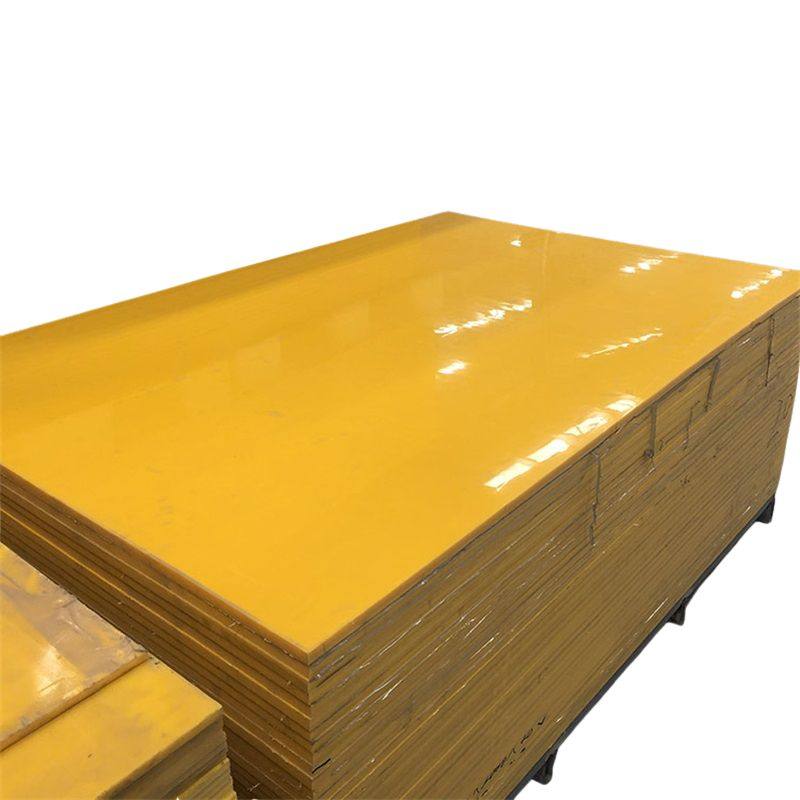
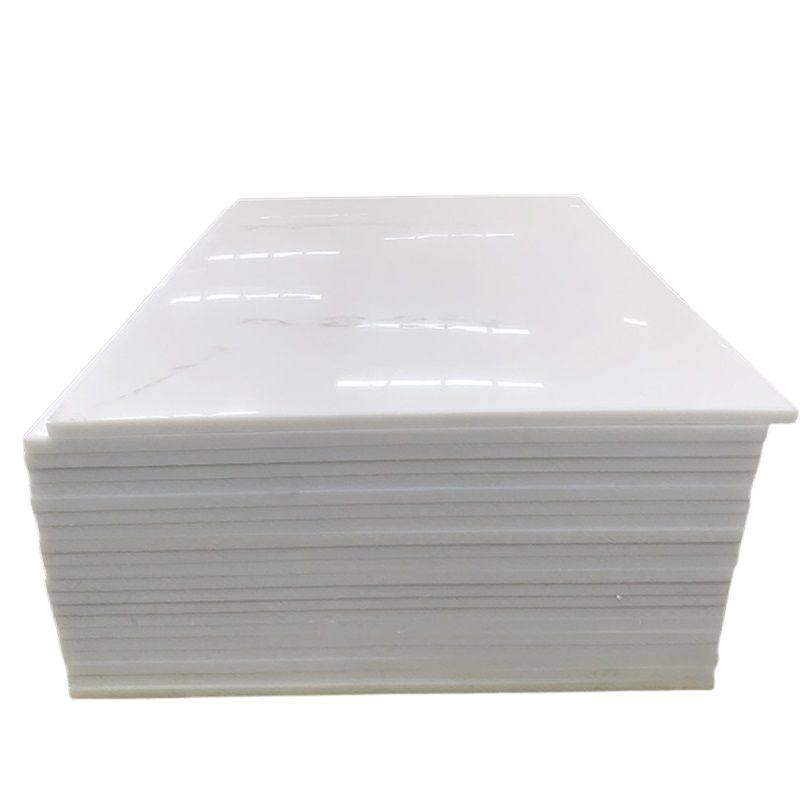
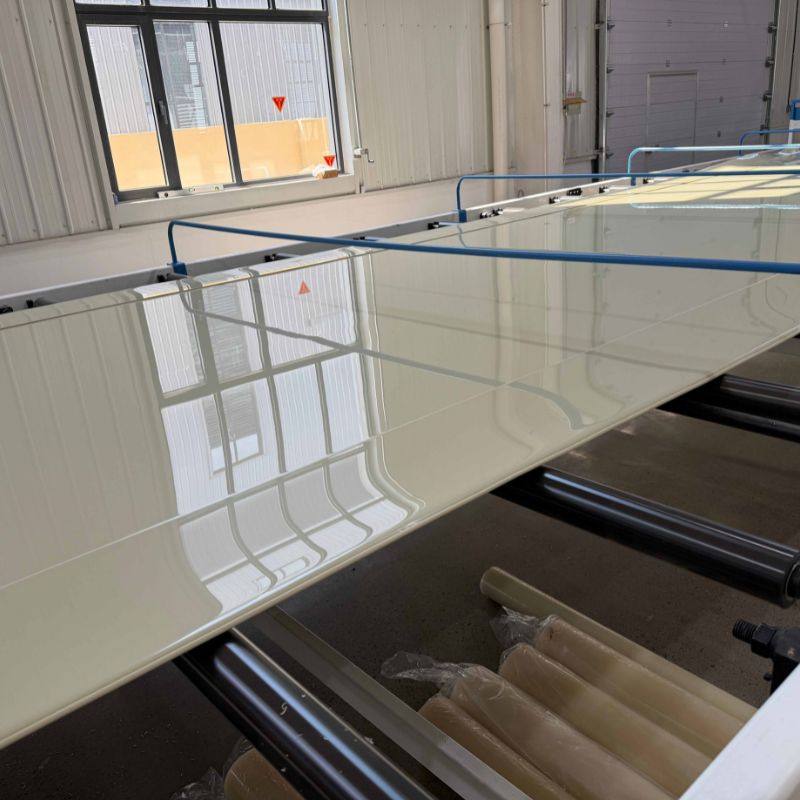
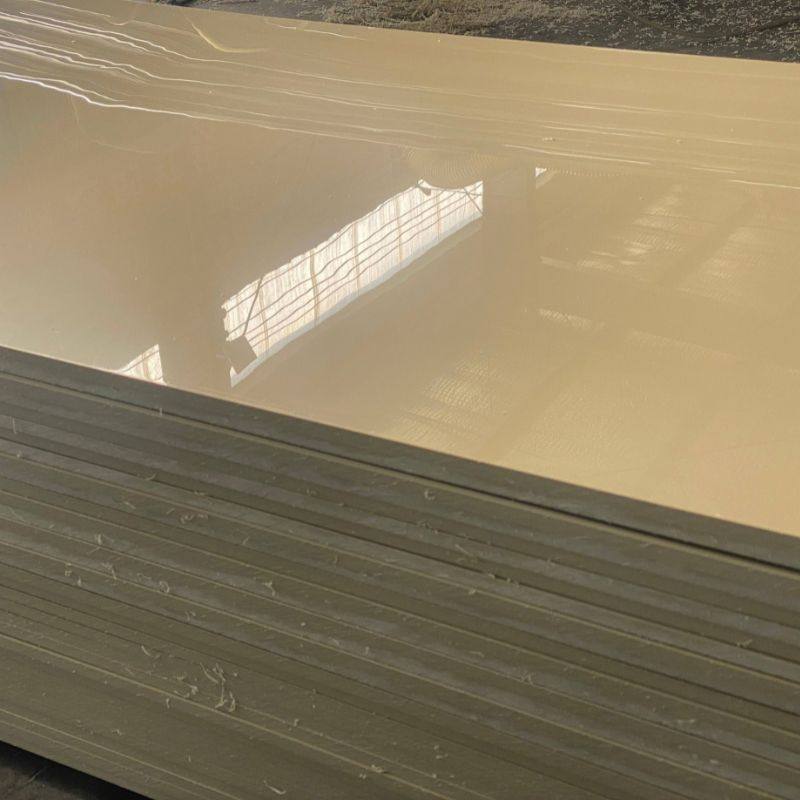
PP Sheets for Industrial Process Equipment
Product Parameters
These polypropylene sheets are extruded from PP resin to provide a practical, lightweight material solution for fabricated industrial equipment. The material combines low water absorption, reliable chemical resistance, and convenient machining performance for corrosion-control projects and custom plastic fabrication.
Material Performance and Industrial Fabrication Benefits
Polypropylene sheet is a thermoplastic engineering material widely selected where corrosion resistance, manageable weight, and fabrication flexibility are more important than metallic strength. Its natural appearance is milky white, while black, grey, blue, and other colors can be supplied for equipment identification, project matching, or visual separation of process areas. Color, dimensions, and fabricated forms can be discussed according to project requirements.
Built for Corrosive Process Environments
A principal reason to choose PP Sheets for Industrial Process Equipment is their resistance to many acids, alkalis, and salt solutions. This makes the material well suited to non-pressurized or appropriately designed process tanks, electroplating systems, pickling vessels, wastewater units, chemical storage structures, and exhaust gas scrubbing equipment. Unlike untreated metal components, polypropylene does not rely on a painted surface to provide its basic corrosion resistance. The material itself forms the corrosion-resistant body of the fabricated part.
Material selection should always consider the actual chemical medium, concentration, operating temperature, mechanical load, and exposure duration. A sheet that performs well in a mild alkaline solution may not be the appropriate selection for every oxidizing chemical or high-temperature process. Reviewing service conditions before fabrication helps engineers specify suitable wall thickness, reinforcement, welding details, and support spacing. This practical approach improves operational reliability and helps prevent unnecessary maintenance interruptions.
Low Weight, Low Moisture Uptake, and Efficient Installation
The low density of polypropylene is a meaningful benefit when equipment must be moved, assembled, or supported in elevated installations. Compared with PVC sheet of the same size, PP sheet is lighter, helping reduce handling effort during workshop fabrication and on-site installation. Lower weight can also simplify the design of frames, brackets, access panels, and removable protective covers where excessive dead load is undesirable.
With water absorption of ≤0.01%, the material is well suited to wet environments and repeated cleaning conditions. This low moisture uptake supports dimensional stability in applications such as aquaculture boxes, food equipment backing boards, washdown-area components, and wastewater treatment structures. It also makes the sheet a dependable option for partition panels, isolation guards, packaging pads, and equipment protection boards exposed to splashing or humid process conditions.
Weldable and Easy to Convert into Custom Components
PP sheet can be cut, drilled, machined, thermally bent, and welded, allowing fabricators to convert flat stock into useful industrial structures. Hot-air welding is commonly used to form tank bodies, enclosures, ducts, covers, box-type components, and corrosion-resistant linings. Good welding performance is particularly valuable when joints must be integrated into a continuous fabricated structure rather than assembled with numerous mechanical fasteners.
The material also offers good toughness and resistance to stress cracking under suitable service conditions. For fabricators, this means components can be designed with practical joint geometry, stiffeners, and access openings while retaining the operational benefits of polypropylene. Clean cutting and drilling support efficient preparation of mounting holes, inspection openings, drain positions, and equipment interfaces. For projects requiring enhanced stiffness, PP glass-fiber sheet and PPH sheet options may be considered according to the operating design and fabrication method.
Temperature Considerations for Responsible Design
The stated long-term service temperature is -20 to 90°C, while the material can withstand 120°C for short-term exposure. These values make polypropylene a suitable choice for many ambient-temperature chemical systems and controlled warm-water processes. Short-term heat resistance should not be treated as a continuous operating limit. Equipment designers should account for temperature cycling, media temperature, local heat sources, structural loading, and the effects of welded joints when defining operating conditions.
At lower temperatures, polypropylene becomes less impact resistant, and brittleness increases as temperatures fall below 0°C. For outdoor installations, cold storage areas, or winter transport conditions, users should assess impact exposure and handling practices carefully. Appropriate support, protection from sudden impact, and sensible installation procedures are important for maintaining performance in low-temperature environments.
Food-Contact and Clean-Process Applications
Polypropylene is non-toxic and odorless, and food-grade PP sheet can be supplied for applications requiring food-contact material. Typical examples include equipment pads, processing-area backing boards, aquaculture containers, separators, and washable protective components. For a food-related project, the required grade, applicable compliance documentation, intended contact conditions, and cleaning process should be confirmed before ordering. This ensures that the selected material aligns with the specific requirements of the end application.
Common Application Areas
- Chemical processing: electroplating tanks, pickling tanks, corrosion-resistant water tanks, and chemical-liquid equipment.
- Environmental systems: wastewater treatment equipment, exhaust gas scrubber towers, and anti-corrosion fan housings.
- Food and aquaculture: food equipment pads, washable panels, and aquaculture boxes.
- Laboratory and fabrication: laboratory fixtures, welded plastic structures, custom covers, and fabricated equipment parts.
- Protection and logistics: packaging pads, machine isolation sheets, protective guards, and separation panels.
Selecting the Right Sheet for Your Project
- Define the chemical medium, concentration, temperature range, and expected exposure period.
- Confirm whether the part requires pure PP sheet, PP glass-fiber sheet, PPH sheet, flame-retardant PP sheet, or food-grade PP sheet.
- Consider structural requirements, including span, support points, impact risk, and welding configuration.
- Specify the required color, dimensions, machining needs, and any fabricated component details.
- Review the final application with the fabricator before production to support safe and efficient installation.
Manufacturing Support
Dezhou Yiyuan New Material Technology Co., Ltd. specializes in rubber and plastic products, including UHMWPE sheets, wear-resistant liners, UHMWPE rollers, PE sheets, PP sheets, nylon products, polyurethane products, and custom-shaped machined parts. The company supports customers who require reliable material supply and practical conversion options for industrial applications. Its service principle is based on quality-focused production, honest sales service, and dependable contract performance.
For industrial buyers, fabricators, and equipment manufacturers, PP Sheets for Industrial Process Equipment provide a versatile base material for corrosion-resistant structures that need to be lightweight, weldable, and easy to process. Providing complete operating information at the enquiry stage helps ensure the selected sheet type is suitable for the intended environment and fabrication method.
Get a quote and proposal
Your privacy is protected by us (please refer to the Privacy Policy).
Phone
Address
