Engineering Plastics for Extreme Wear & Industrial Applications——YiYuan New Material | Founded in 2021


Please give us a message
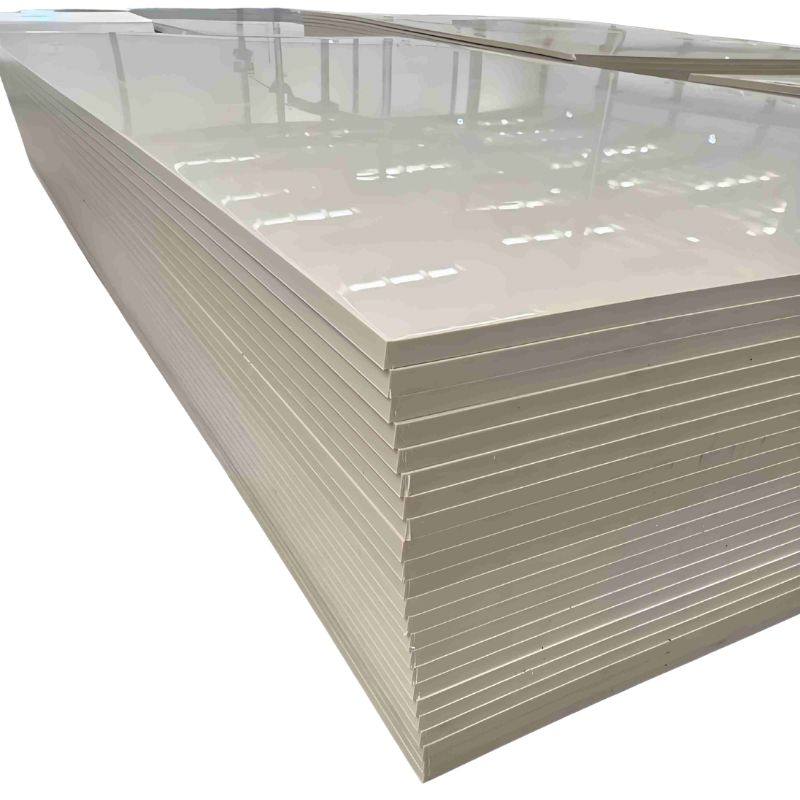
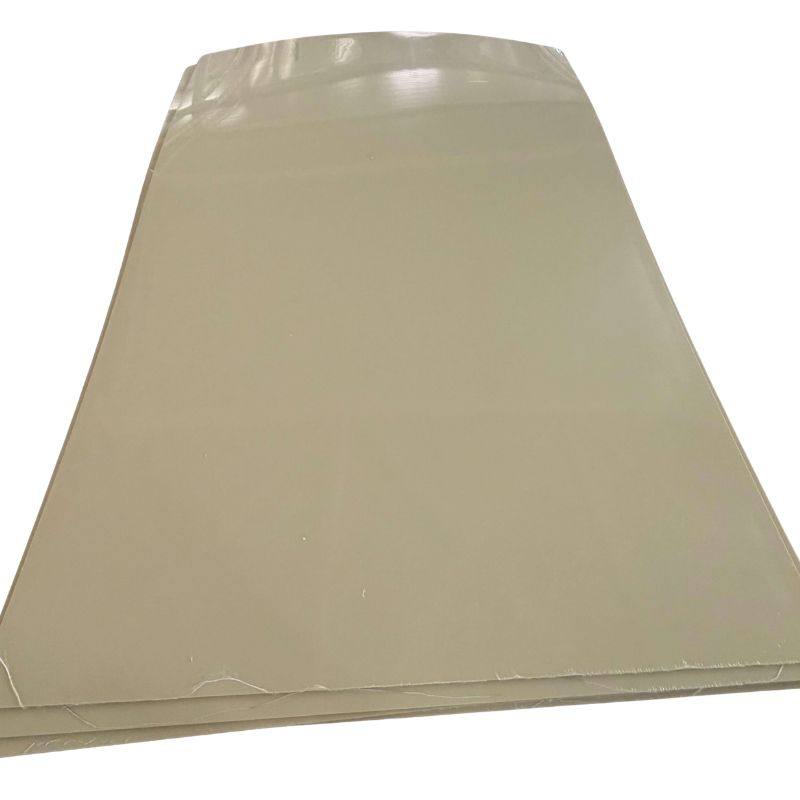
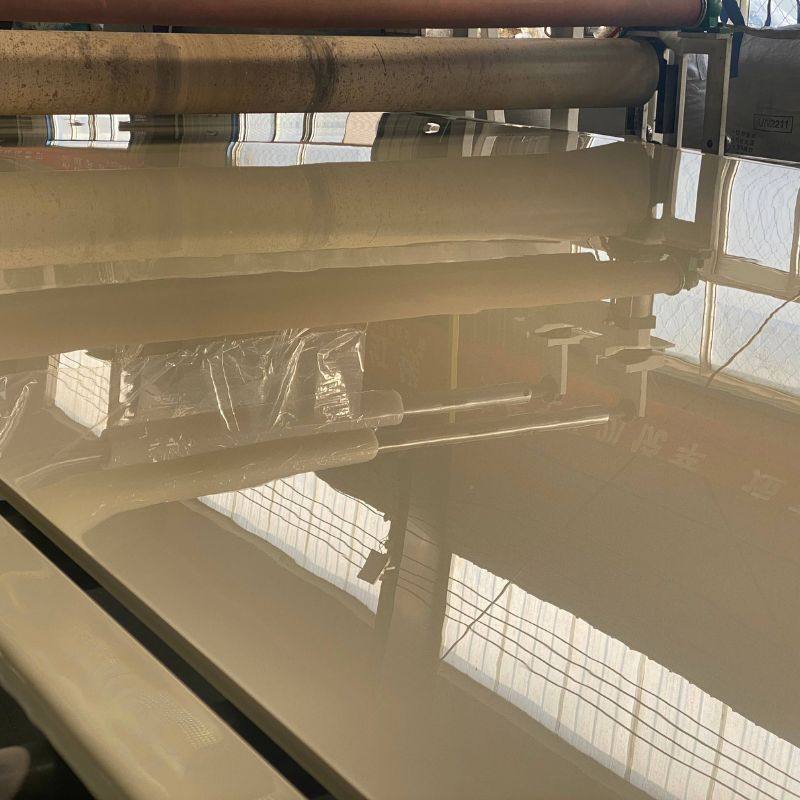
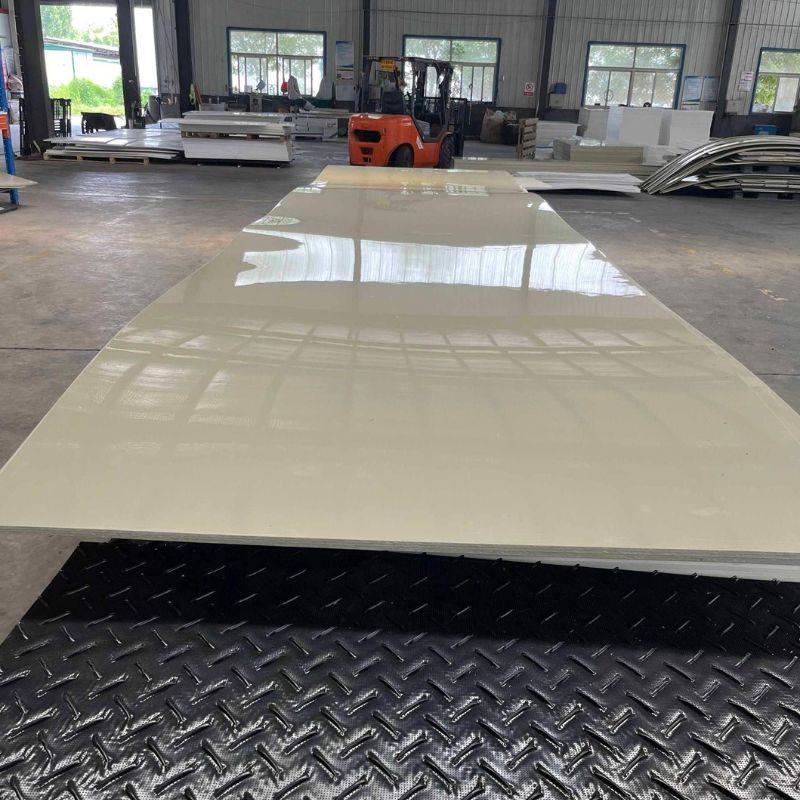
PP Sheets for Scrubber & Duct Fabrication
Product Parameters
Product Details and Fabrication Guidance
Manufactured by extrusion from polypropylene resin, these sheets provide a practical material solution for corrosion-control equipment and fabricated industrial components. PP Sheets for Scrubber & Duct Fabrication combine low density, useful toughness, very low water absorption, and dependable resistance to many acid, alkali, and salt solutions. For fabricators building wet-process equipment, these properties help create lightweight structures that are easier to handle than comparable PVC sheet constructions while remaining suitable for demanding chemical environments.
A Reliable Material for Corrosive Process Environments
Polypropylene sheet is widely selected where metal equipment may corrode rapidly or require costly protective linings. Its chemical resistance makes it appropriate for many applications involving chemical liquids, wastewater, pickling solutions, electroplating processes, and exhaust-gas treatment. Material selection should always be verified against the actual chemical concentration, operating temperature, pressure, and exposure duration. This practical review is especially important for scrubber vessels, duct systems, tank assemblies, and fan housings, where process conditions can vary between operating cycles.
The sheet has a tensile yield strength of 25–30 MPa, supporting the fabrication of panels, covers, partitions, enclosures, and welded assemblies. Its water absorption of ≤0.01% is beneficial in humid and wet service areas because the material does not readily absorb moisture. This characteristic helps maintain stable handling and supports use in wastewater equipment, aquaculture boxes, food equipment pads, protective isolation panels, and packaging boards.
Designed for Efficient Cutting, Welding, and Assembly
One of the principal advantages of PP sheet is its fabrication versatility. It can be cut, drilled, machined, thermally bent, and welded to meet equipment drawings and installation requirements. Hot-air welding is commonly used to join panels when manufacturing corrosion-resistant boxes, chemical tanks, duct transitions, scrubber bodies, and customized plastic components. Proper joint preparation, clean surfaces, suitable welding rods, and controlled heating are essential to achieving consistent welded seams.
- Easy processing: Suitable for cutting, drilling, thermal bending, and welding during workshop fabrication.
- Good weldability: Supports the production of sealed structures and customized corrosion-resistant equipment.
- Low weight: Reduces handling effort during transportation, installation, and maintenance.
- Good impact performance: Provides useful toughness and resistance to stress cracking under suitable operating conditions.
- Low moisture uptake: Well suited to wet areas and process equipment exposed to splashing or humidity.
For duct fabrication, sheet components can be cut into straight sections, elbows, reducers, flanges, access doors, and support-related parts according to the system design. For scrubbers, the material can be fabricated into shell panels, internal partitions, liquid collection sections, inspection covers, and external protective components. Final structural design should consider span, sheet thickness, reinforcement arrangement, operating pressure, vibration, and the weight of connected pipes or accessories. Material performance is only one part of a durable fabricated system; sound engineering and careful welding practice are equally important.
Temperature Considerations for Practical Use
The recommended long-term service temperature range is -20 to 90°C, with short-term resistance up to 120°C. This makes polypropylene sheet a suitable choice for many warm-water and moderately heated process duties. At lower temperatures, especially below 0°C, polypropylene becomes more brittle and its impact performance declines. Equipment installed in cold locations should therefore be designed with attention to impact risk, handling conditions, and the possibility of sudden mechanical loads.
When evaluating PP Sheets for Scrubber & Duct Fabrication, users should distinguish between brief temperature peaks and continuous operating temperature. A short excursion to a higher temperature does not mean that the material should be used continuously at that temperature. Chemical exposure can also influence material behavior, so engineers and purchasing teams should provide complete service data before finalizing a sheet grade for a project.
Material Options, Colors, and User-Focused Selection
The standard natural color is milky white. Black, gray, blue, and other colors can be customized to match equipment appearance, plant identification practices, or specific project preferences. Color selection may also help distinguish different process lines or fabricated assemblies during installation and maintenance. Before ordering, customers should confirm the required dimensions, thickness, color, fabrication method, and intended operating conditions with the supplier.
Depending on a project’s technical requirements, buyers may also discuss related polypropylene material options such as pure PP sheet, PP-H sheet, glass-fiber-reinforced PP sheet, flame-retardant PP sheet, or food-grade PP sheet. Each option should be selected according to the actual application rather than by name alone. For example, a food-contact application requires confirmation of the relevant material specification, while a reinforced or flame-retardant requirement should be evaluated against the equipment design and operating environment.
Typical Applications
- Chemical and electroplating tanks, pickling tanks, and corrosion-resistant water tanks.
- Wastewater treatment equipment, exhaust-gas scrubbers, ductwork, and corrosion-resistant fan housings.
- Laboratory equipment, welded plastic assemblies, machine guards, and equipment isolation panels.
- Food equipment pads and, where the correct material requirement is confirmed, food-contact components.
- Aquaculture containers, packaging pads, protective boards, and customized industrial plastic parts.
Supplier Support for Industrial Plastic Projects
Dezhou Yiyuan New Material Technology Co., Ltd. specializes in rubber and plastic products, including UHMWPE sheets, wear-resistant UHMWPE liners, UHMWPE rollers, PE sheets, PP sheets, nylon products, polyurethane products, and customized machined parts. The company supports customers seeking practical materials for anti-corrosion, wear-resistant, and fabricated plastic applications. Its service principle is built on quality-focused production, sincere sales service, and trustworthy contract performance.
For buyers, contractors, equipment manufacturers, and fabrication workshops, polypropylene sheet offers a balanced combination of chemical resistance, low weight, processability, and customization potential. Providing clear information about the medium, temperature, equipment geometry, and fabrication plan will help ensure that the selected material is appropriate for the intended service and that the finished assembly performs reliably in operation.
Get a quote and proposal
Your privacy is protected by us (please refer to the Privacy Policy).
Phone
Address
