Engineering Plastics for Extreme Wear & Industrial Applications——YiYuan New Material | Founded in 2021


Please give us a message
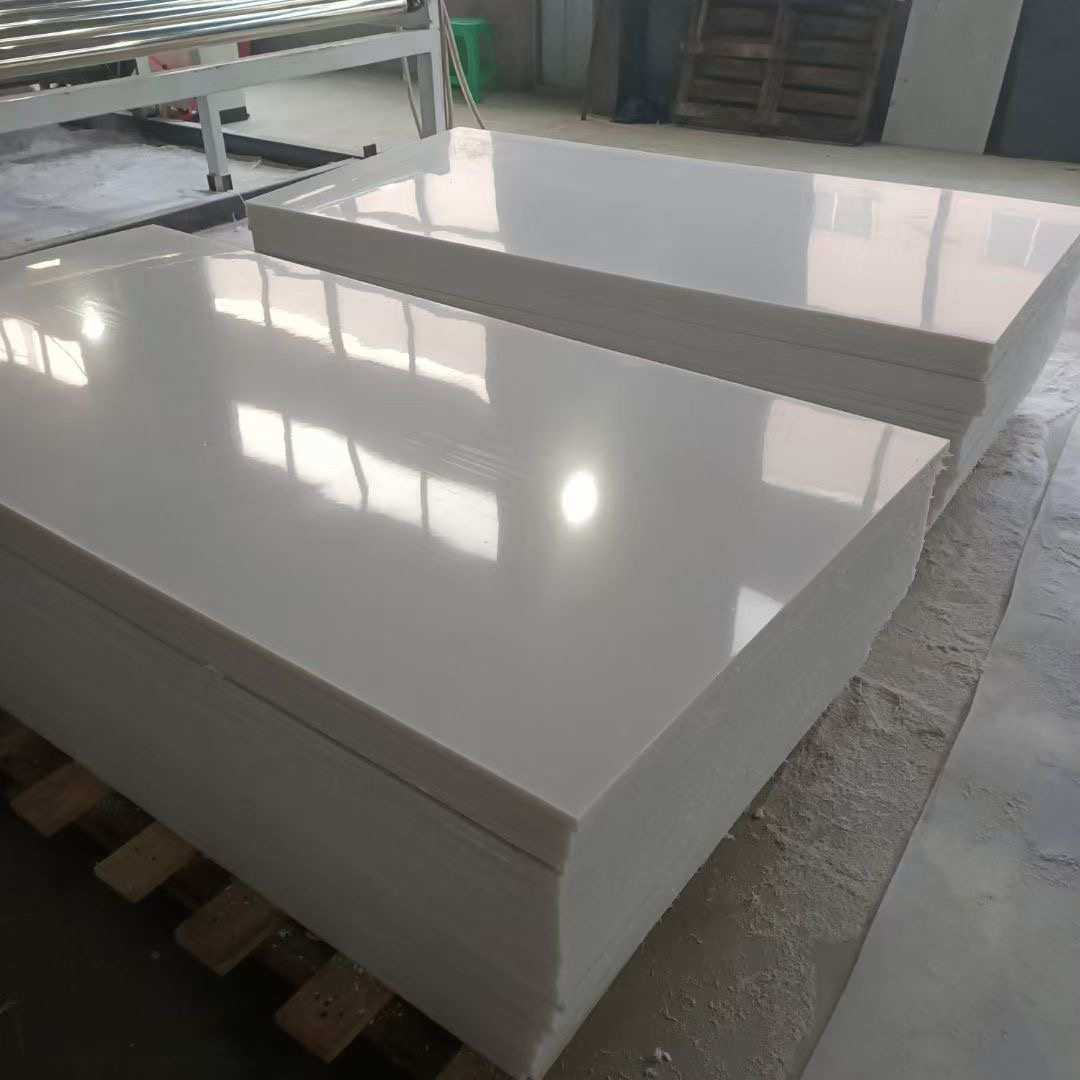
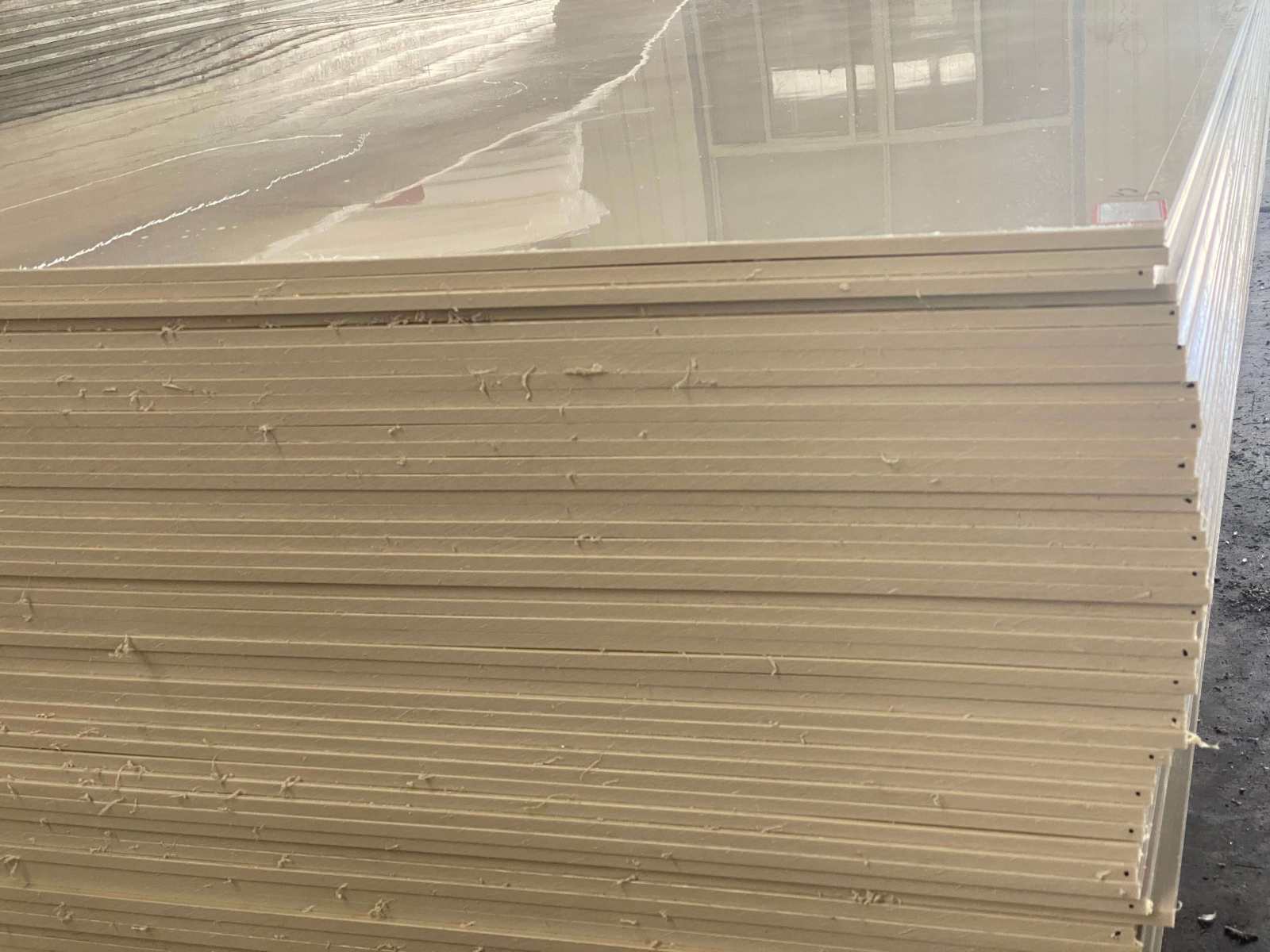
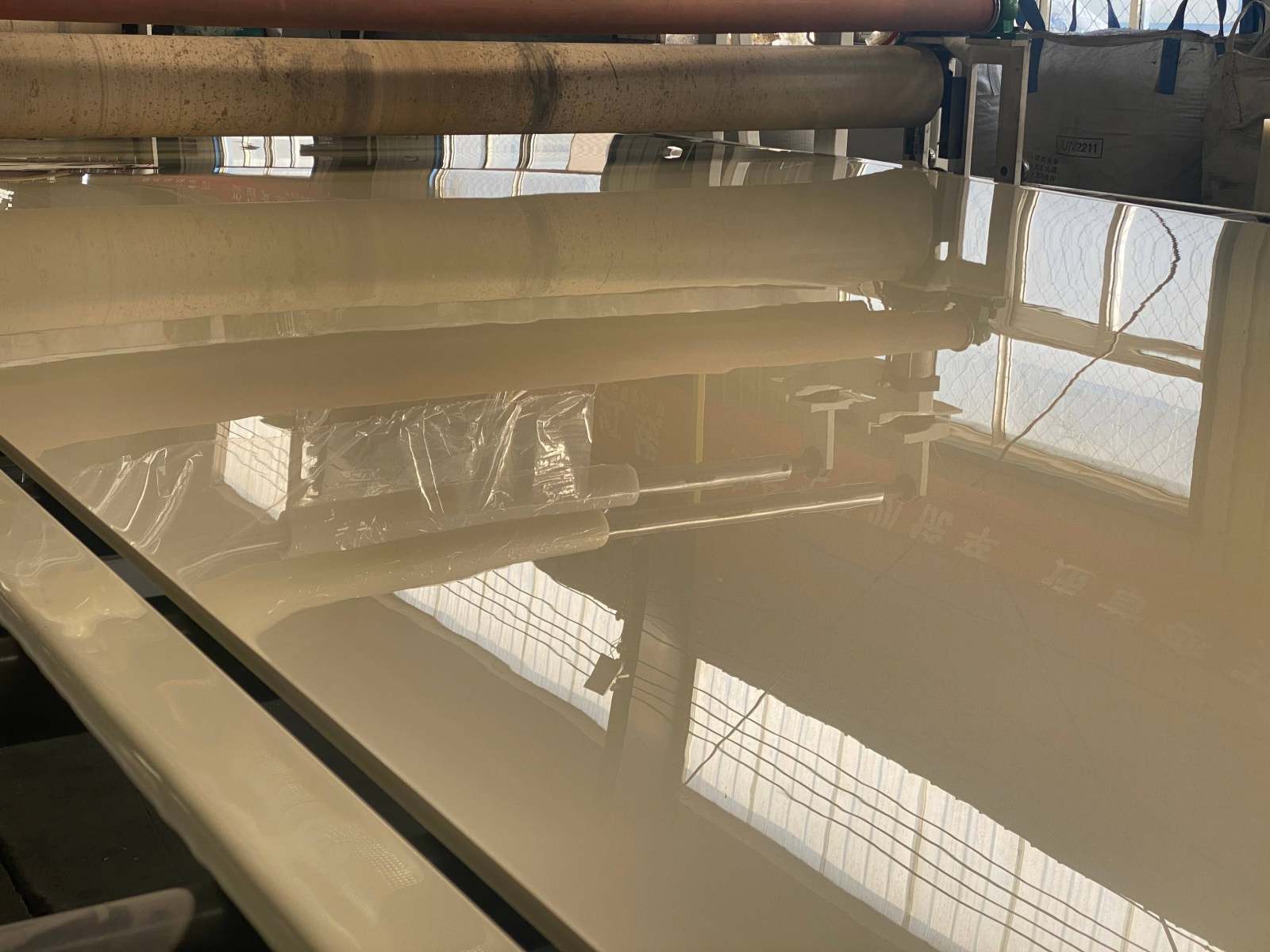
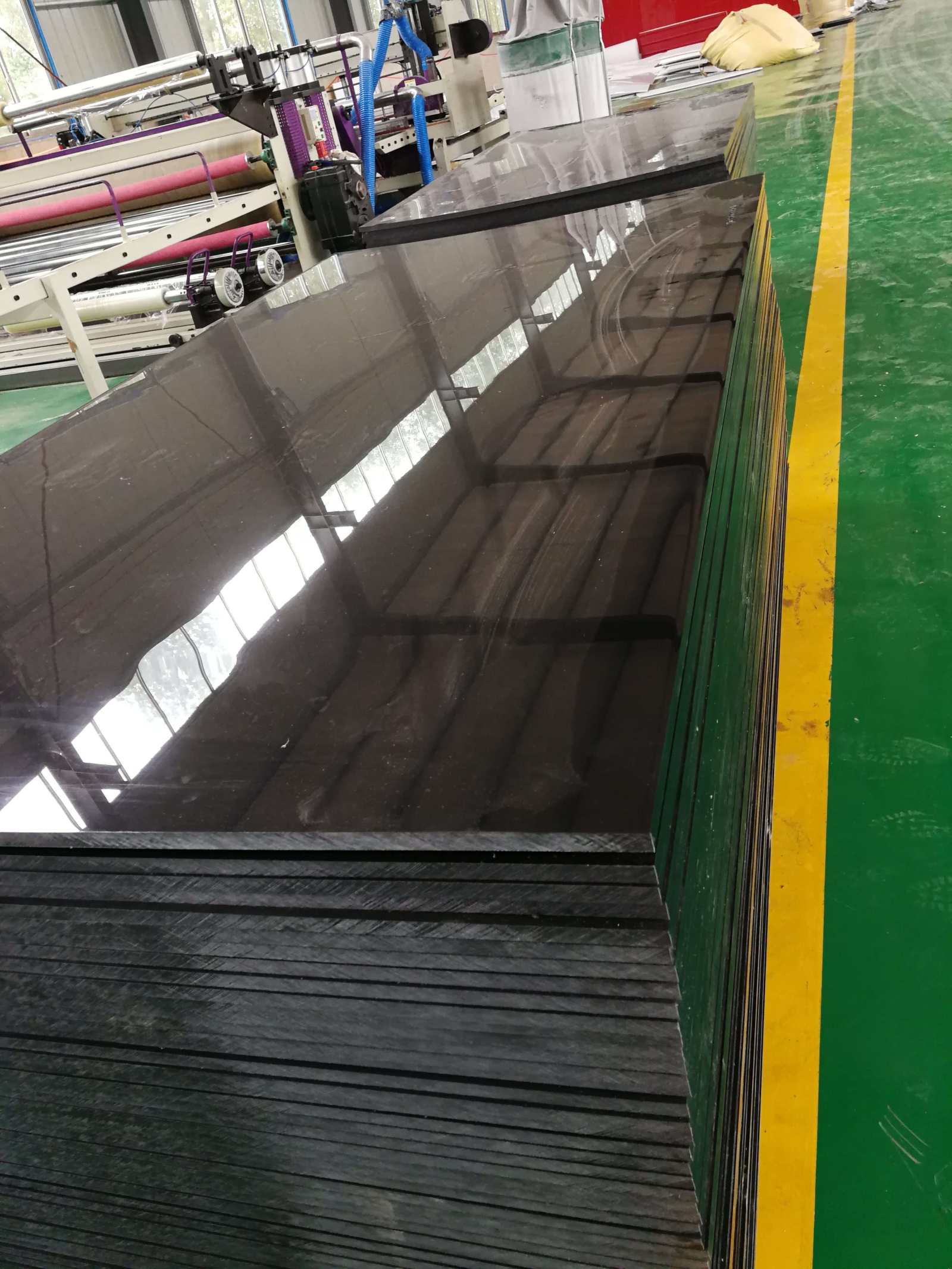
PP sheet for anti-corrosive water tanks
Product Parameters
This material is engineered for fabricated corrosion-control equipment where low moisture uptake, chemical resistance, practical welding performance, and reduced installation weight are important selection factors. The following values are provided for the standard polypropylene sheet material.
Material Features, Fabrication Benefits and Applications
A PP sheet for anti-corrosive water tanks is an extruded thermoplastic board produced from polypropylene resin. It provides a practical balance of chemical durability, low density, fabrication flexibility, and clean material characteristics. For manufacturers building tanks, scrubber bodies, process containers, and protective linings, polypropylene is often selected because it can be cut, drilled, formed, and welded into purpose-built structures without the unnecessary weight associated with many conventional rigid materials.
Reliable Resistance for Chemical and Water-Treatment Service
The principal value of PP sheet lies in its resistance to many acid, alkali, and salt solutions. This makes it a dependable construction material for chemical liquid handling where corrosion may shorten the service life of ordinary metal components. In electroplating lines, pickling operations, wastewater treatment units, and chemical storage installations, a properly designed polypropylene structure helps maintain a clean, corrosion-resistant containment surface.
Its extremely low water absorption of ≤0.01% is especially useful in humid and liquid-contact environments. The board does not readily take up moisture, helping fabricators retain dimensional consistency in applications such as anti-corrosive water tanks, aquaculture boxes, equipment partitions, and wet-process support panels. Material compatibility should always be checked against the actual chemical concentration, operating temperature, pressure condition, and exposure time before final equipment design.
Lower Weight, Practical Strength and Good Toughness
Compared with PVC board of the same dimensions, polypropylene offers a lower specific gravity, making panels easier to lift, position, transport, and install. This advantage becomes more noticeable in large fabricated tanks, ventilation housings, or modular wastewater equipment where multiple sheets must be assembled on site. Lower handling weight can also simplify support arrangements and improve workshop efficiency during fabrication.
With a tensile yield strength of 25–30 MPa, the sheet delivers useful structural performance for fabricated plastic components when appropriate thickness, bracing, welding design, and load conditions are considered. Polypropylene also has good toughness and resistance to stress cracking in suitable service conditions. These characteristics support its use in chemical tanks, covers, protective guards, equipment enclosures, and custom plastic parts that may experience handling impact or routine operational vibration.
Efficient Welding and Custom Processing
A major benefit of a PP sheet for anti-corrosive water tanks is its fabrication versatility. The material can be cut to size, drilled for fittings, thermally bent where suitable, and joined by hot-air welding. Skilled welding enables fabricators to create continuous tank walls, partitions, reinforcement ribs, duct sections, and equipment boxes with joints designed around the intended operating conditions. Good preparation of sheet edges, welding surfaces, filler material, and joint geometry remains essential to producing reliable assemblies.
- Cutting and machining: suitable for panels, covers, baffles, and made-to-measure protective components.
- Drilling and assembly: supports the installation of fittings, fasteners, inspection openings, and equipment connections.
- Thermal forming: enables selected bends and formed sections for fabricated structures.
- Hot-air welding: allows tank and enclosure fabrication using compatible polypropylene welding methods.
Temperature Considerations for Responsible Material Selection
The specified long-term service temperature range is -20 to 90°C, while the sheet can tolerate 120°C for short periods. This makes polypropylene suitable for many warm-water and chemical-process environments within the stated limits. However, tank design should account for temperature-related expansion, liquid load, support spacing, and the properties of welded joints. In low-temperature environments, polypropylene becomes more brittle and its impact performance declines below 0°C. For this reason, cold-weather impact exposure and handling conditions should be evaluated carefully.
Clean Material Options and Available Types
Polypropylene is non-toxic and odorless, and food-grade PP sheet can be selected for appropriate food-contact applications. Its clean surface and low moisture uptake are useful in food equipment backing boards, aquatic breeding tanks, laboratory fixtures, and packaging separator panels. The standard natural color is milky white. Black, gray, blue, and other colors may be customized to support visual identification, equipment matching, or site-specific design requirements.
Available material solutions may include polypropylene sheet, PP solid sheet, PP glass-fiber sheet, PPH sheet, flame-retardant PP sheet, and food-grade PP sheet, depending on the project’s performance and compliance needs. Selecting the correct grade should be based on the intended medium, temperature range, mechanical loading, fabrication method, and applicable industry requirements rather than color or thickness alone.
Typical Uses and Suitable Buyers
This PP sheet for anti-corrosive water tanks is suited to equipment fabricators, chemical processors, water-treatment contractors, electroplating facilities, laboratory builders, aquaculture operators, and industrial maintenance teams. It is commonly used where corrosion resistance and custom fabrication are more important than decorative appearance.
- Chemical electroplating tanks, acid-pickling tanks, and liquid containment equipment
- Wastewater treatment systems, anti-corrosive water tanks, and waste-gas scrubber towers
- Anti-corrosive fan housings, duct-related components, and protective equipment shells
- Food equipment pads, food-contact boards, and aquaculture breeding boxes
- Laboratory equipment, welded plastic assemblies, and custom engineering parts
- Packaging pads, equipment isolation boards, and protective partition panels
Manufacturing Support You Can Rely On
Dezhou Yiyuan New Material Technology Co., Ltd. specializes in rubber and plastic products, including UHMWPE sheets, wear-resistant UHMWPE liner sheets, UHMWPE rollers, custom UHMWPE parts, PE sheets, PP sheets, nylon products, polyurethane products, and machined special-shaped components. Our service principle is clear: pursue excellence through product quality, provide sales service with sincerity, and maintain trust through reliable contractual cooperation. For a practical polypropylene solution, project teams can discuss material type, color, processing needs, and application conditions before ordering.
Get a quote and proposal
Your privacy is protected by us (please refer to the Privacy Policy).
Phone
Address
