Engineering Plastics for Extreme Wear & Industrial Applications——YiYuan New Material | Founded in 2021


Please give us a message
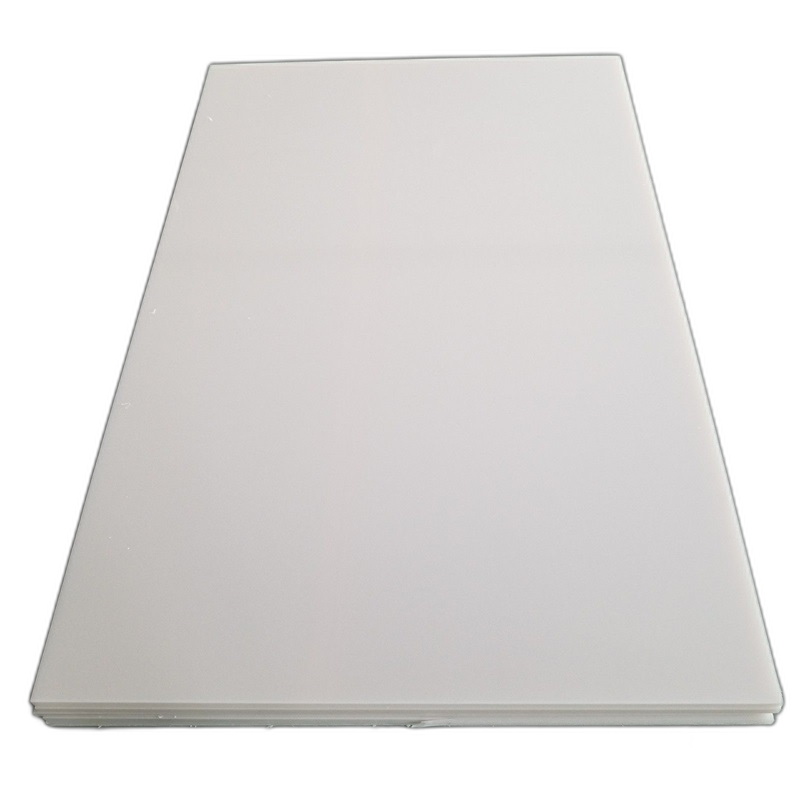
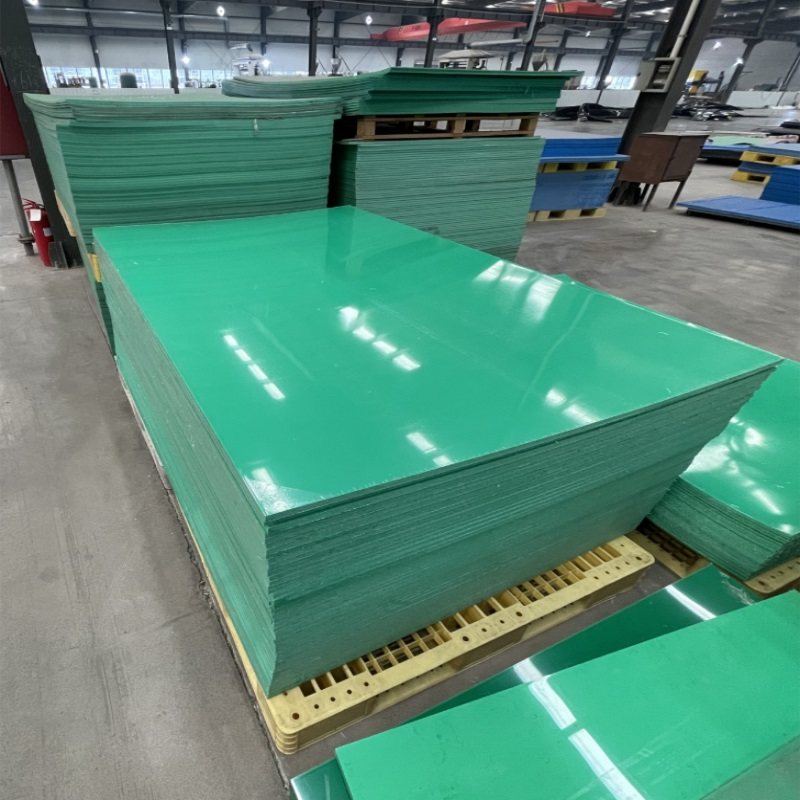
PP sheets for chemical plants
Product Parameters
These polypropylene sheets are extrusion-formed from PP resin for corrosion-resistant fabrication and industrial equipment construction. The material combines low moisture absorption, practical mechanical strength, and reliable chemical resistance for many liquid-handling and protective applications.
Material Performance, Fabrication, and Application Value
PP sheets for chemical plants are a practical choice when equipment must resist corrosive media without adding unnecessary weight to a fabrication project. Made from polypropylene resin, this thermoplastic sheet is widely used for lining, tank construction, process equipment housings, and fabricated components exposed to acids, alkalis, and salt solutions. Its natural color is milky white, while black, gray, blue, and other colors can be supplied to suit equipment identification, site standards, or visual design requirements.
Designed for Corrosive Process Environments
In chemical processing, the suitability of a sheet material is determined by more than its appearance. It must perform consistently when exposed to process liquids, wash water, vapors, and routine cleaning conditions. Polypropylene has excellent resistance to many common acids, alkalis, and saline solutions. This makes it well suited to non-oxidizing corrosive service where metal equipment may require expensive coatings or frequent maintenance.
The extremely low water absorption of ≤0.01% helps the sheet maintain dimensional stability in wet environments. For wastewater equipment, chemical storage structures, aquaculture tanks, and wash-down areas, low water uptake is especially valuable because it reduces concerns associated with moisture-related swelling. Material compatibility should nevertheless be confirmed for the specific chemical concentration, operating temperature, pressure, and exposure duration before final equipment design.
Lightweight Construction with Useful Mechanical Strength
Compared with PVC sheet of the same size, PP sheet has a lower density and is easier to handle during installation. This can simplify site assembly, reduce lifting effort, and make large fabricated structures more manageable. With a tensile yield strength of 25–30 MPa, the material provides dependable strength for properly supported fabricated parts, protective panels, partitions, and equipment enclosures.
PP also offers good toughness and resistance to stress cracking in suitable applications. It withstands everyday handling better than brittle alternatives and is particularly valued for its strong welding characteristics. Sheet sections can be joined by hot-air welding to form continuous structures, including tank bodies, ducts, covers, and corrosion-resistant boxes. Good joint preparation, suitable welding rod selection, controlled heat, and trained fabrication practices are essential to producing durable welds.
Temperature Considerations for Responsible Selection
The specified long-term service range is -20 to 90°C, with short-term resistance up to 120°C. This performance makes the material suitable for many warm-water and moderately heated chemical processes. Engineers should distinguish between brief temperature excursions and continuous operating conditions, particularly where mechanical loading, chemical exposure, or welded construction is involved.
At lower temperatures, polypropylene becomes more brittle and its impact performance declines below 0°C. For installations in cold climates, outdoor winter service, or refrigerated areas, designers should account for reduced impact resistance and avoid unnecessary shock loading. Proper support spacing and thoughtful fabrication details help protect the finished assembly throughout its intended service life.
Flexible Processing for Custom Equipment
PP sheets for chemical plants can be cut, drilled, machined, thermoformed, and welded, allowing fabricators to build parts around real installation requirements rather than relying on standard off-the-shelf shapes. This processability supports efficient production of custom tanks, containment units, splash guards, inspection covers, and equipment isolation panels.
- Cutting and drilling: Suitable for producing panels, openings, mounting holes, and service access sections.
- Hot bending: Helps create formed details where the design requires controlled bends.
- Hot-air welding: Supports sealed joints for fabricated tanks, housings, ducts, and corrosion-control equipment.
- Color customization: Natural milky white, black, gray, blue, and other colors are available for differentiated installations.
Available PP Material Options
Depending on the application, customers may specify standard polypropylene sheet, PP solid sheet, PPH sheet, PP fiberglass sheet, flame-retardant PP sheet, or food-grade PP sheet. Material selection should reflect the required chemical resistance, rigidity, flame-performance needs, food-contact requirements, fabrication method, and operating environment. Food-grade options are non-toxic and odorless and may be selected for appropriate food-contact equipment applications.
Typical Industrial Uses
This material serves fabricators, maintenance teams, chemical equipment manufacturers, water-treatment contractors, food-processing facilities, laboratories, and aquaculture operations. It is frequently selected where a corrosion-resistant, lightweight, and weldable thermoplastic solution is needed.
- Chemical and electroplating equipment: Electroplating tanks, pickling tanks, chemical liquid tanks, and anti-corrosion water tanks.
- Environmental systems: Wastewater-treatment equipment, exhaust-gas scrubber towers, and corrosion-resistant fan housings.
- Food and aquaculture applications: Food equipment pads, food-contact components where the appropriate grade is selected, and aquaculture containers.
- Laboratory and fabrication work: Laboratory equipment, welded plastic components, protective covers, and custom machine parts.
- General industrial protection: Packaging pads, equipment isolation boards, separator panels, and protective shields.
A Dependable Supply Partner for Engineered Plastics
Dezhou Yiyuan New Material Technology Co., Ltd. specializes in rubber and plastic products, including UHMWPE sheets, wear-resistant UHMWPE liners, UHMWPE rollers, customized UHMWPE parts, PE sheets, PP sheets, nylon products, polyurethane products, and other machined special-shaped components. This product range supports customers who require coordinated material solutions for wear, corrosion, impact, and equipment protection challenges.
The company follows a clear service principle: pursue excellence through product quality, build sales service on sincerity, and maintain trust through reliable contract performance. For projects requiring PP sheets for chemical plants, providing the intended medium, temperature range, dimensions, thickness, color, and fabrication requirements will help ensure that the selected material is aligned with the actual operating conditions.
Get a quote and proposal
Your privacy is protected by us (please refer to the Privacy Policy).
Phone
Address
