Engineering Plastics for Extreme Wear & Industrial Applications——YiYuan New Material | Founded in 2021


Please give us a message
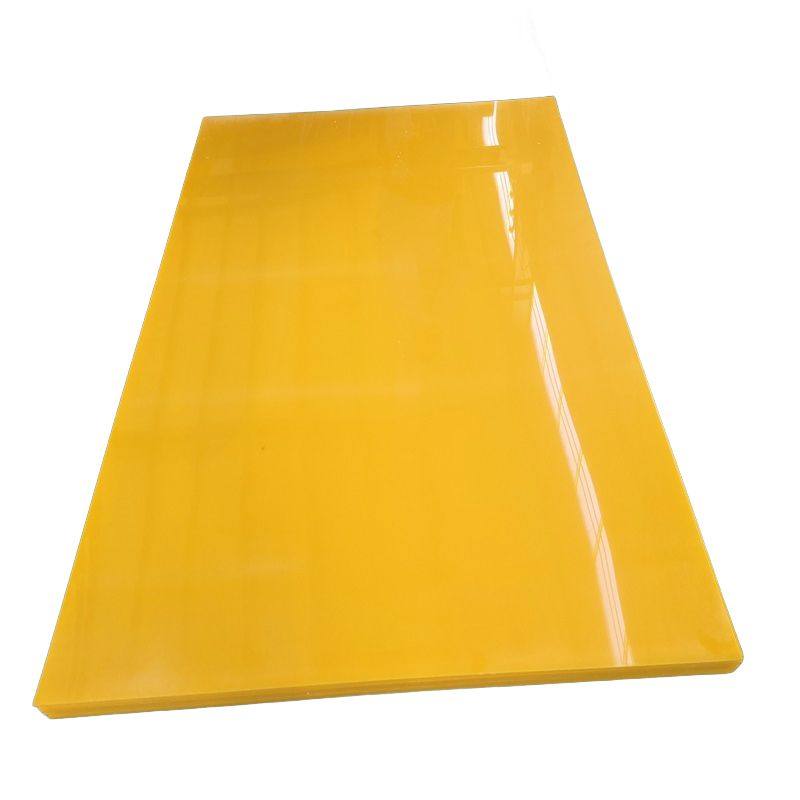
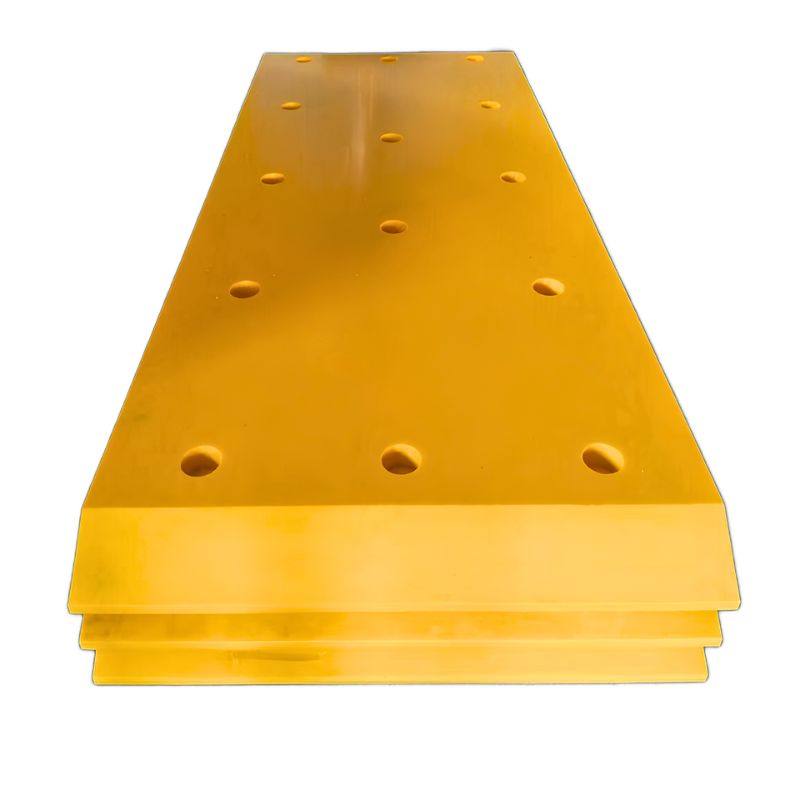
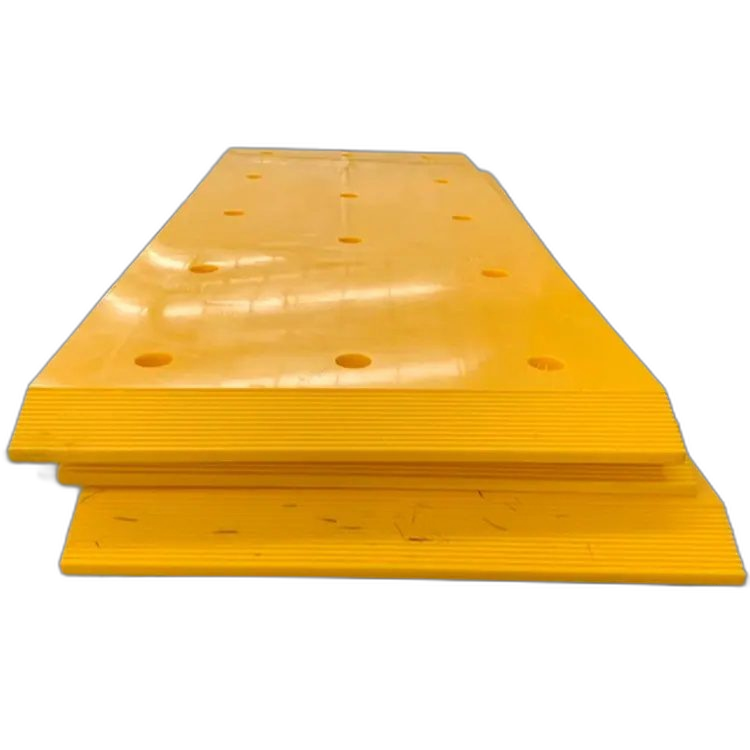
UHMWPE Sheets for Mining Wear Liners
Product Parameters
Material Performance and Mining Liner Applications
UHMWPE is an engineering plastic produced from polyethylene with an ultra-high molecular weight of more than 1.5 million. For demanding material-handling operations, UHMWPE Sheets for Mining Wear Liners provide a practical lining solution where abrasive bulk solids, repeated impact, moisture, and material build-up can reduce equipment efficiency. The material combines high wear resistance with a naturally smooth, self-lubricating surface, helping to improve material movement through chutes, hoppers, bins, transfer points, and storage systems.
In mining and aggregate processing, liner selection affects more than the service life of a chute or hopper. A poorly selected surface can encourage carryback, bridging, and blockage, increasing cleaning time and creating avoidable downtime. UHMWPE offers a low-friction contact layer that allows many dry or damp bulk materials to slide more freely. Its low water absorption also makes it suitable for wet environments, wastewater-related areas, and installations exposed to changing humidity.
Why UHMWPE Performs in High-Wear Handling Systems
The wear resistance of this material is significantly higher than that of carbon steel, nylon, and standard PE sheet in comparable sliding applications. This benefit is particularly relevant where ore, coal, sand, gravel, or other granular materials continuously travel across equipment surfaces. Rather than relying on added lubricants, the sheet’s self-lubricating property reduces sliding resistance at the liner surface and helps limit sticking.
- Outstanding abrasion resistance: designed for sliding wear conditions involving abrasive particles and repeated material flow.
- Low friction surface: supports smoother discharge and can help reduce material adhesion in bins, hoppers, and chutes.
- High impact strength: maintains toughness under impact and is less likely to become brittle in low-temperature service.
- Moisture resistance: with water absorption of ≤ 0.01%, the sheet remains stable in humid or wet operating conditions.
- Chemical resistance: resistant to many acids, alkalis, salts, sewage, and chemical process media.
- Low-temperature capability: retains useful toughness in cold outdoor applications within its specified working range.
Impact performance is another important consideration for mine sites. Material dropped from conveyors, loaders, or crushers can strike liner surfaces with substantial force. UHMWPE has strong resistance to impact and can absorb shock without the brittle failure often associated with more rigid materials. This makes it a suitable choice for areas subject to intermittent impacts as well as continuous sliding wear. It is especially useful in cold regions, where some conventional materials become less reliable as temperatures fall.
Typical Uses Across Mining and Industrial Facilities
UHMWPE liner sheets are commonly installed where operators need to protect base equipment while maintaining consistent bulk-material flow. They can be used as wear liners in coal bunkers, ore bins, silos, feed hoppers, chutes, and transfer stations. In coal handling systems, the smooth surface can help address material sticking and bin blockage, particularly where coal moisture or fine particles create flow challenges.
- Coal bunkers and storage bins: lining surfaces to reduce sticking, bridging, and difficult discharge.
- Mining and quarry equipment: wear protection for chutes, hoppers, gravel handling areas, and material transfer points.
- Engineering machinery: outrigger pads and protective support pads where low weight and surface durability are beneficial.
- Port and marine facilities: fender boards and sliding protection components exposed to moisture and impact.
- Wastewater and chemical environments: corrosion-resistant panels for equipment exposed to damp, acidic, alkaline, or saline media.
- Food and general machinery: pads, sliders, guide blocks, and other wear parts requiring a smooth, low-friction contact surface.
Fabrication Options for Site-Specific Installation
Every liner project has different equipment geometry, fastening positions, and maintenance requirements. The sheets can be processed through cutting, drilling, slotting, thermal bending, and welding to suit practical installation needs. Customized dimensions, colors, and logo engraving are also available. For a reliable fit, purchasers should provide drawings, liner thickness requirements, hole locations, operating temperatures, media information, and details of the material being handled.
Proper installation is essential to liner performance. Allowance should be made for material movement and thermal expansion where applicable, while countersunk fastening and smooth joint transitions can help prevent unnecessary material catch points. For high-impact zones, the fastening arrangement and liner design should be evaluated according to the actual loading direction and service conditions. A well-planned liner layout supports easier replacement during scheduled maintenance.
Operating Considerations
UHMWPE is highly effective in wear, impact, and low-friction applications, but it should be selected with its operating limits in mind. Its heat resistance is moderate, so it is not recommended for high-temperature environments beyond the stated service range. The material also has lower surface hardness than metals; sharp, hard objects may scratch the sheet surface. These characteristics should be reviewed when the application involves hot material, sharp scrap, or highly concentrated point loading.
For maintenance teams, the principal advantages are reduced material adhesion, improved flow consistency, corrosion resistance, and a liner that can be fabricated to match existing equipment. By protecting the parent structure from direct abrasion, UHMWPE liners can support more orderly maintenance planning and help keep handling systems available for production.
Manufacturing Support You Can Rely On
Dezhou Yiyuan New Material Technology Co., Ltd. specializes in rubber and plastic products, including UHMWPE sheets, UHMWPE wear liners, UHMWPE rollers, custom UHMWPE components, PE sheets, PP sheets, nylon products, polyurethane products, and machined special-shaped parts. Our service principle is straightforward: quality first, honest service, and trustworthy contract performance.
When specifying UHMWPE Sheets for Mining Wear Liners, our team can support material selection and customized processing based on the equipment layout and the realities of your operating environment. This approach helps purchasers obtain a liner solution suited to flow performance, wear exposure, installation requirements, and long-term maintenance objectives.
Get a quote and proposal
Your privacy is protected by us (please refer to the Privacy Policy).
Phone
Address
